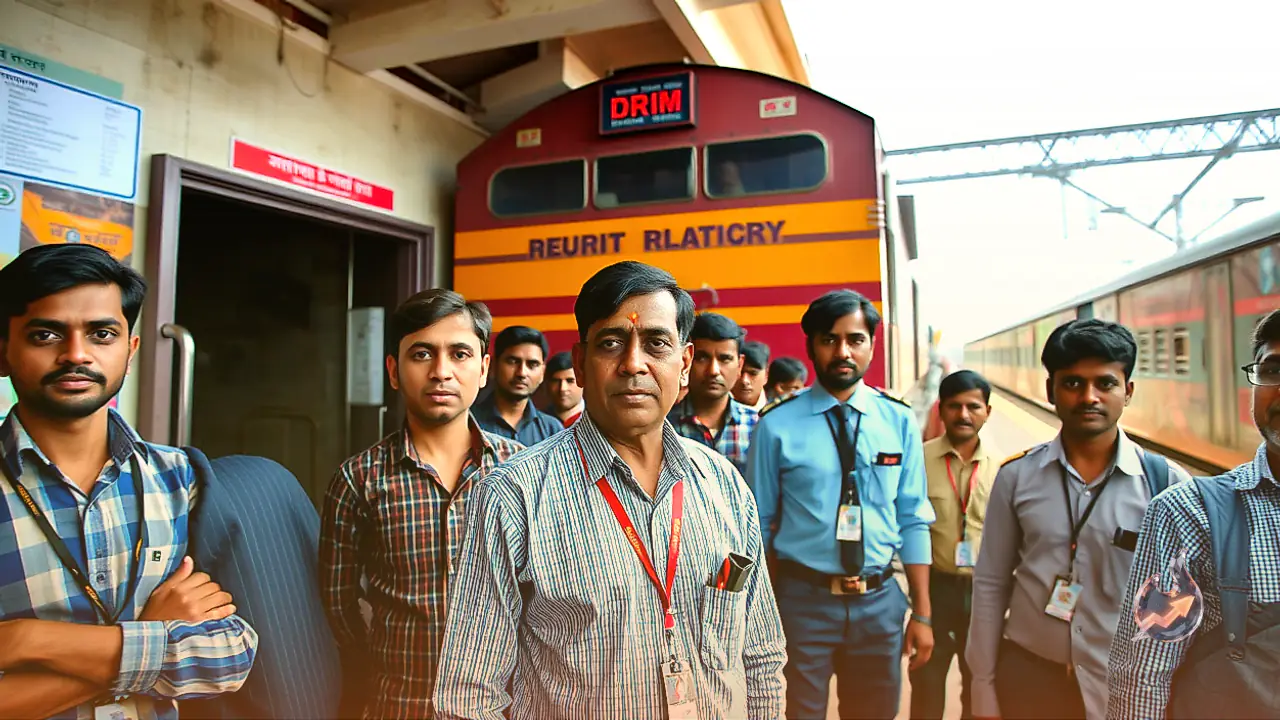



















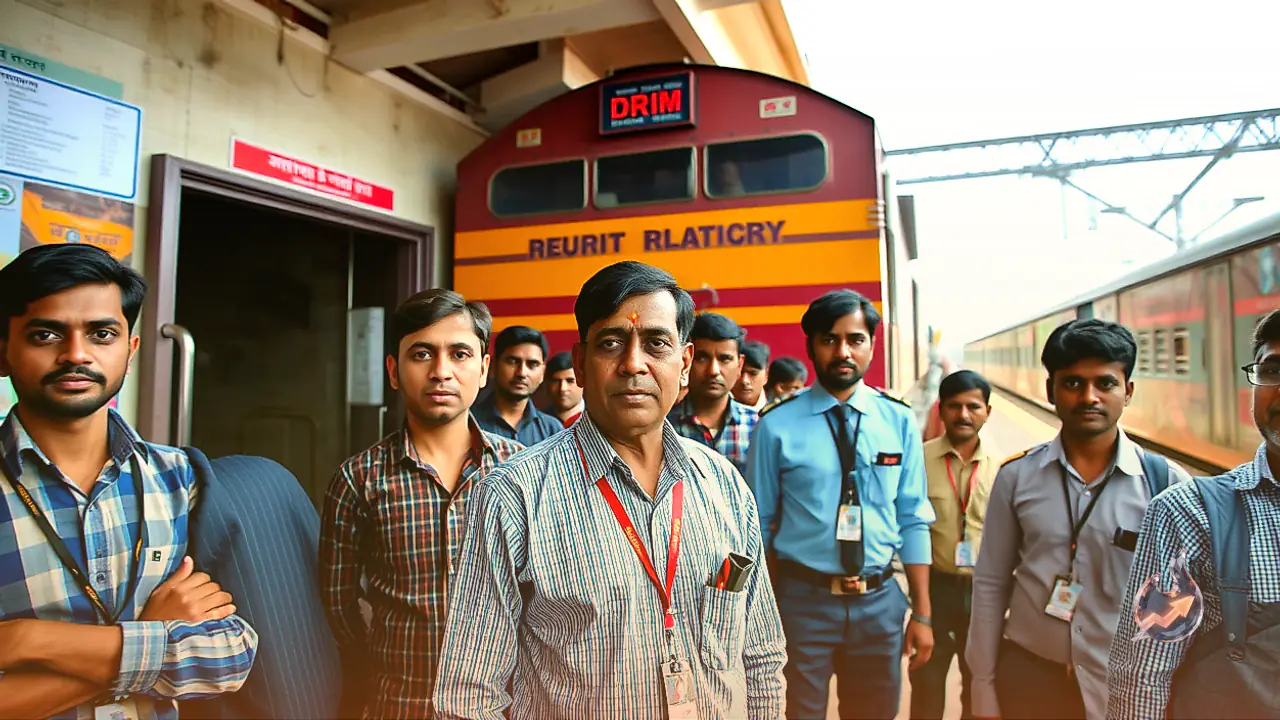

While the Jhansi railway divisional headquarters today operates within clearly defined regional boundaries, its historical footprint tells a remarkably grander tale. In the annals of railway administrative history, there was an era when the administrative territory governed from Jhansi stretched across an exceptionally vast expanse. Experts recall that the jurisdiction of the Jhansi DRM office was once so sweeping that it was counted among the largest railway administrative territories in all of Asia. During that period, Jhansi served as far more than a transit junction for passing trains; it was the nerve center directing operational and administrative governance across numerous vital railway corridors.
Extensive Rail Network Branching Across Multiple Directions
Tracks radiating from Jhansi stretched outward in every direction across key geographical zones. The line heading toward Gwalior held immense strategic importance for passenger and freight traffic alike. Large swathes of the Bundelkhand region were deeply integrated into Jhansi's core railway infrastructure. Critical sections reaching toward Kanpur, Banda, and Manikpur fell squarely under the operational and managerial oversight of the Jhansi rail administration. As the railway footprint broadened across the country, Jhansi's organizational prominence expanded alongside it.
Because of this extensive geographical reach, the local DRM office occupied a pivotal position in coordinating broad network logistics. The total number of stations operating under Jhansi's direct administrative umbrella during that golden era was considerably larger than the tally seen today. The sheer mileage of active trackage under its purview meant that vast railway stretches relied entirely on decisions made in Jhansi. Thus, what is known today as a divisional headquarters within North Central Railway once wielded administrative authority over a vastly larger railway territory.
Administrative Restructuring and Gradual Decentralization
With the passage of time, the organizational architecture of the Indian railway system underwent extensive transformations. To enhance operational efficiency, new railway zones were carved out, and fresh administrative divisions were established across the country. Existing mega-territories were systematically subdivided into compact, manageable administrative units. This restructuring inevitably altered the expansive operational map that Jhansi had long controlled. Several railway sections were progressively detached from Jhansi's direct administrative fold, and numerous stations were reassigned to newly formed railway divisions.
In the contemporary setup, Jhansi Railway Division functions as an integral component of the North Central Railway, maintaining its headquarters in Jhansi. Under its current divisional configuration, the administration oversees prominent stations including Gwalior, Banda, Chitrakootdham Karwi, Lalitpur, Mahoba, Morena, and Orai. Yet, despite these structural shifts and redistributions, the legacy of Jhansi's far-reaching operational command remains an enduring point of pride.
An Enduring Legacy in Railway Administrative History
Curiosity still surrounds the exact dimensions of that historic era, particularly regarding the precise tally of railway stations once governed directly by the Jhansi command. Historians and rail enthusiasts frequently explore which specific railway sections were orchestrated from Jhansi and how those segments were partitioned among various divisions during nationwide reorganizations. Although the modern DRM office manages a demarcated territorial division, its historical jurisdiction forms a monumental chapter in regional railway heritage. This history underscores that Jhansi was never merely a transit stop in Bundelkhand, but rather an indispensable administrative nerve center steering vast railway operations across the wider landscape.