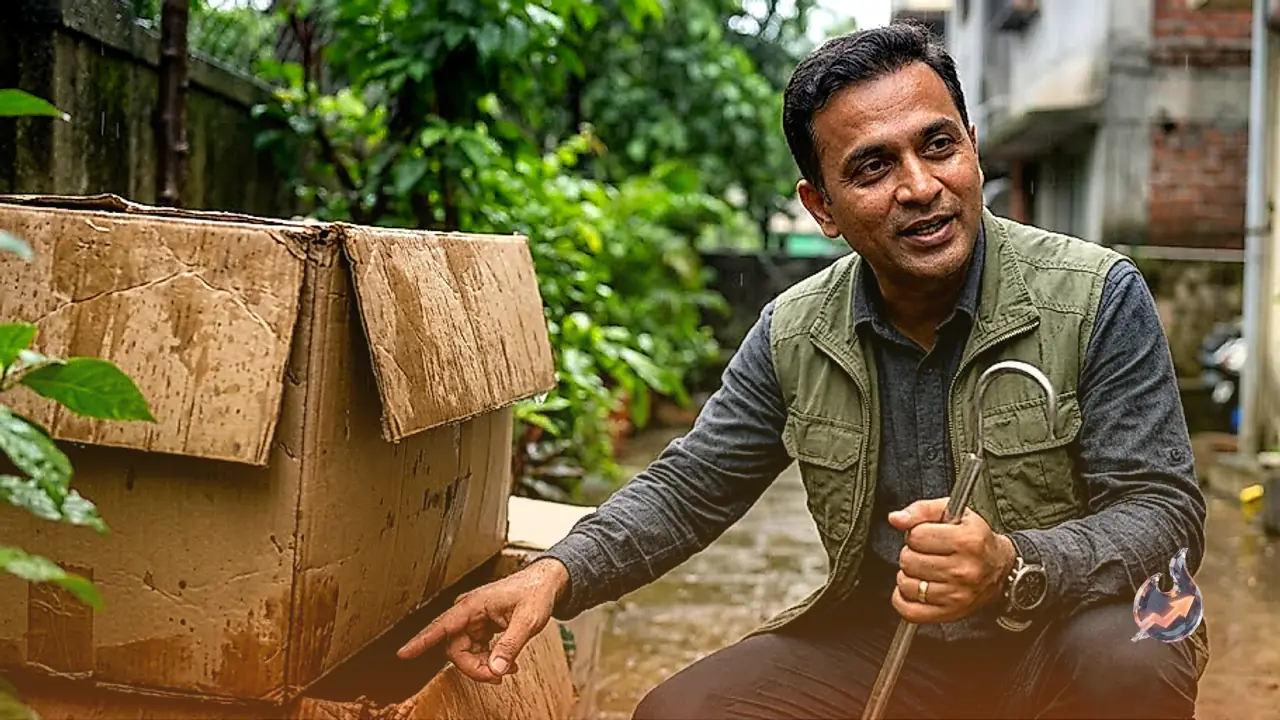





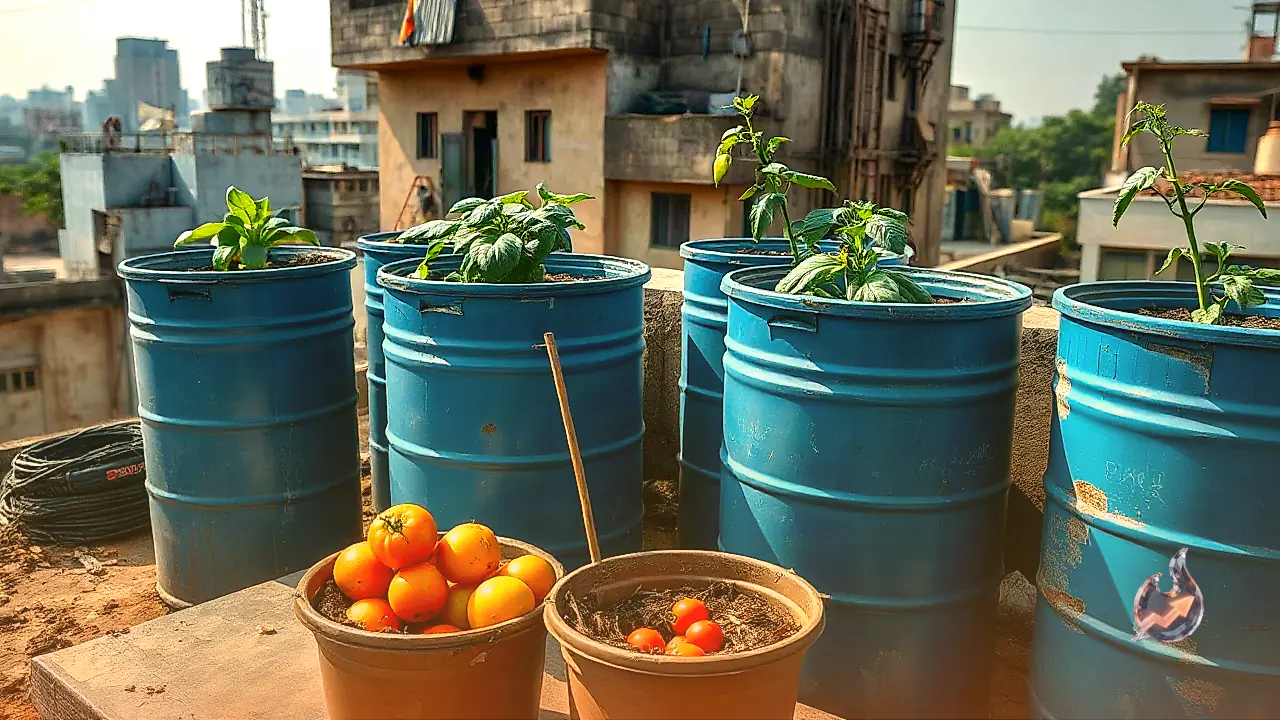

















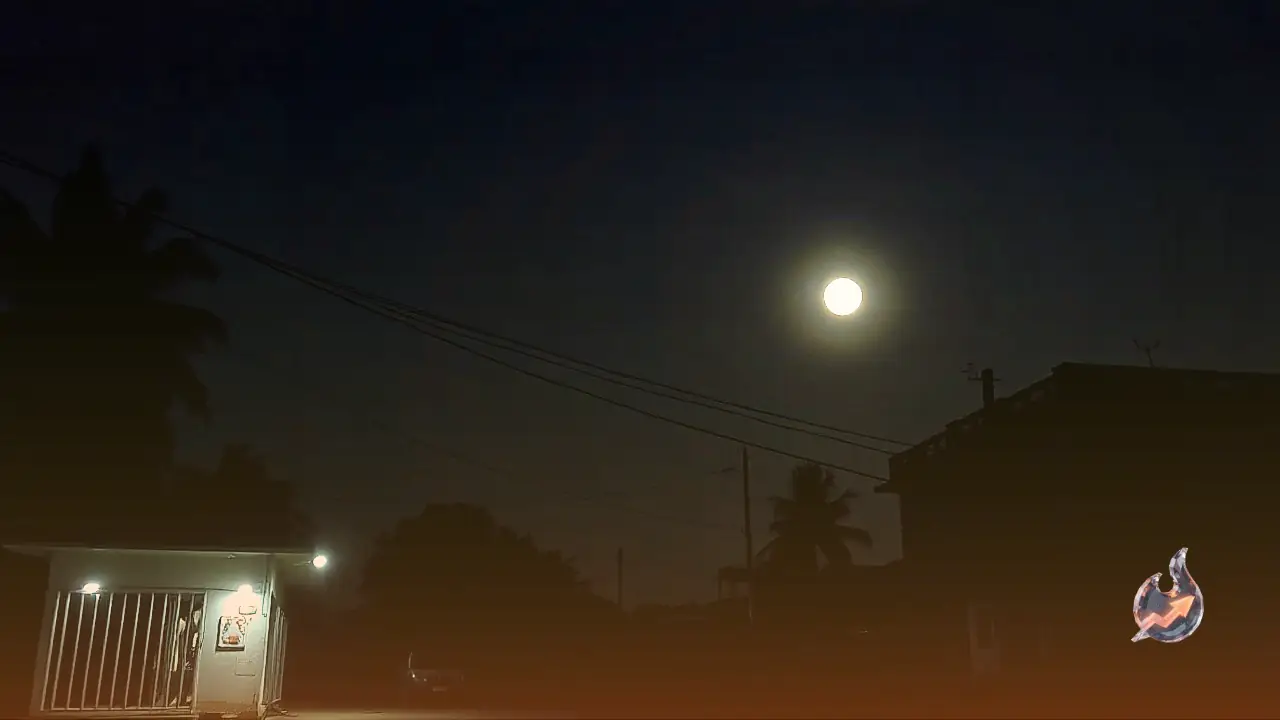

A striking celestial display caught the attention of residents across Patna and surrounding regions on the evening of September 14, as an exceptionally bright light began twinkling in close proximity to the crescent moon. The visual spectacle prompted numerous people to step out onto their terraces and capture the night sky on their mobile phones. Occurring on the exact day when celebrations of Ganesh Chaturthi and the regional festival of Chourchan were underway, the glowing point beside the lunar body quickly became a subject of lively discussion across social media platforms. While several observers speculated that the radiant object might be the planet Venus, others viewed it as an intriguing astronomical coincidence. Beyond the scientific curiosity, the timing of the occurrence brought renewed cultural focus to a festival wherein the moon is revered not merely as a nighttime orb, but as the very foundation of folk belief and ritual adoration.
The Cultural Essence of Chourchan in Mithilanchal
Celebrated widely across the cultural landscape of Mithilanchal in Bihar, the festival of Chourchan is also locally referred to by names such as Chauth Chandra, Chauth Chand, or Chauk Channa. Falling on the Chaturthi tithi of the Shukla Paksha during the Hindu calendar month of Bhadrapada, this occasion occupies a central place in the folk traditions of the state. The sacred calendar date coincides with the widespread nationwide observance of Ganesh Chaturthi, making the evening spiritually significant across multiple regions while carrying its own unique rituals in eastern India.
Daylong Fasting and Traditional Aripan Artistry
Preparations for the festival commence in the early morning hours within households observing the rites. Women observe a rigorous daylong fast to seek blessings for their families. As twilight approaches, courtyards and open rooftop terraces are carefully swept and washed clean to prepare the sacred ground for the evening rituals. Using a smooth paste made from ground raw rice mixed with water, known locally as pithar, practitioners paint intricate geometric patterns and traditional folk floor art termed aripan. Within these sacred designs, an artistic depiction of the moon is deliberately etched onto the floor to mark the sanctuary of the upcoming worship. Bamboo trays known as soop and dagra are then meticulously arranged with traditional domestic delicacies and seasonal offerings.
Ritual Offerings, Earthen Pots, and Sweet Delicacies
The array of offerings prepared for the deity reflects the agricultural and culinary heritage of the region. Household kitchens prepare fresh assortments of kheer, pooris, thekua, and malpua to place inside the bamboo vessels. Alongside these cooked sweets, essential seasonal fruits including bananas, cucumbers, and custard apples are carefully organized as ceremonial offerings. A distinctive hallmark of the Mithila custom on this festival is the mandatory inclusion of thick curd set inside traditional earthen pots, which holds deep symbolic importance during the sacred presentation.
Ganesh Invocation Followed by the Lunar Arghya
The ceremonial order of worship strictly begins with the veneration of Lord Ganesha alongside the sanctified kalash. Devotees offer sandalwood paste, fresh blossoms, and sacred durva grass to the remover of obstacles to ensure the smooth conduct of the rites. Following this initial invocation, the primary focus shifts to offering the ritual libation, or arghya, to the moon god. As soon as the moon becomes visible in the evening sky, women step forward holding bamboo baskets filled with delicacies. The ritual libation of pure milk or fresh water is poured as an offering while devotees present the array of cooked dishes and fruits to Chandra Dev.
The Tradition of Indirect Lunar Viewing
The festival carries a distinctive legend linking Lord Ganesha with the moon deity. According to longstanding folk belief, Lord Ganesha had once placed a curse upon the moon. Consequently, there is a widespread belief that gazing directly at the moon on the night of Bhadrapada Chaturthi invites false accusations and unmerited social blame. To avert this misfortune, the community observes a specialized custom of lunar viewing. Instead of glancing openly into the sky, observers hold a piece of fruit, an offering dish, or a vessel filled with curd in their hands, viewing the celestial body through the medium of the offering before completing the arghya ceremonies.