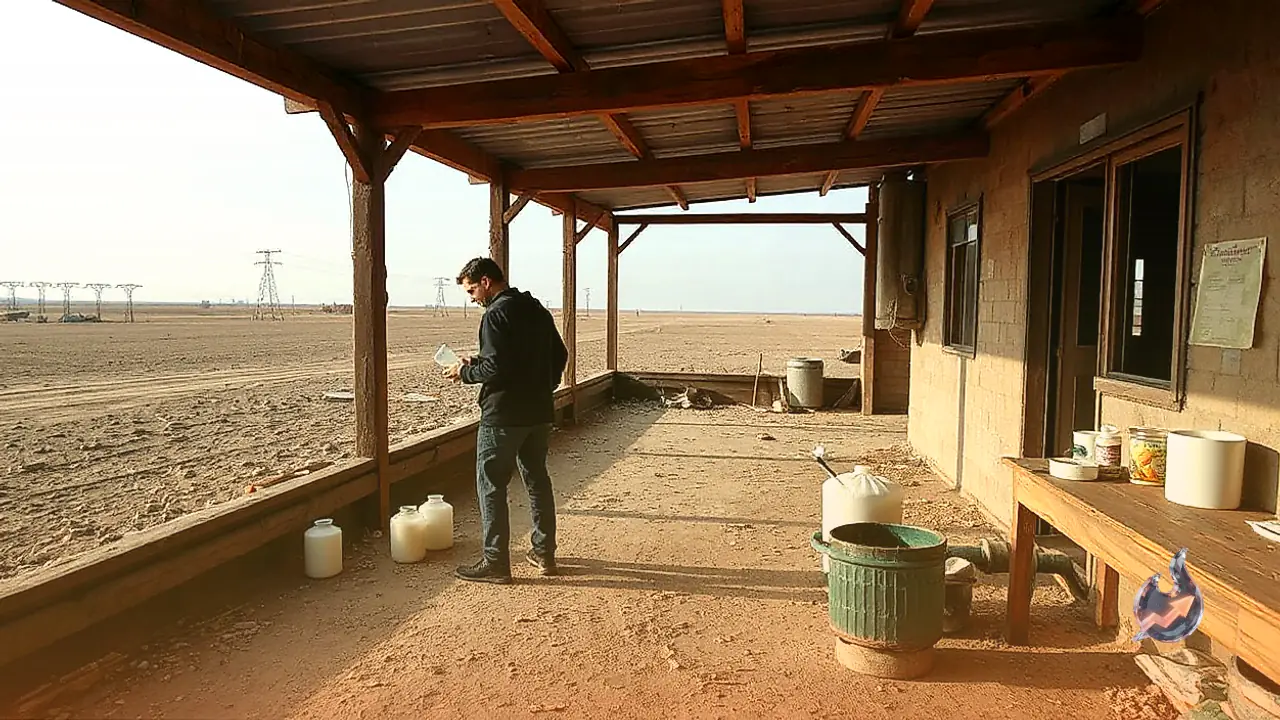




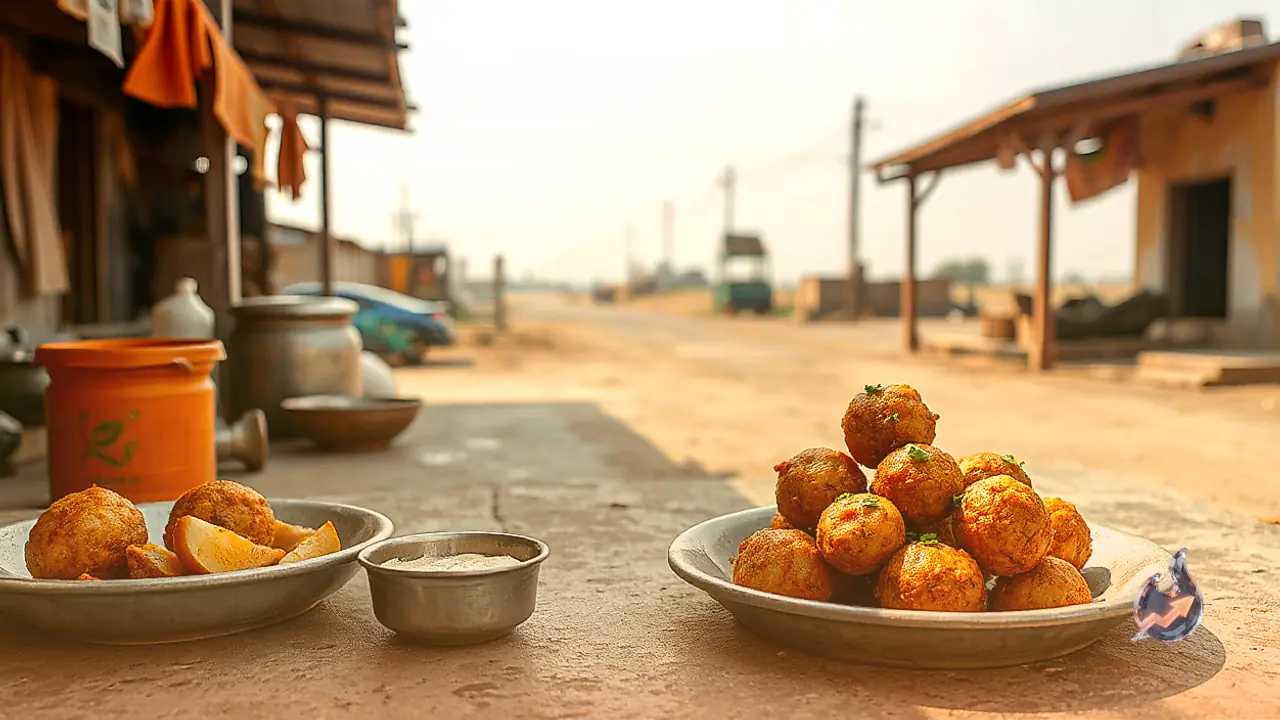


















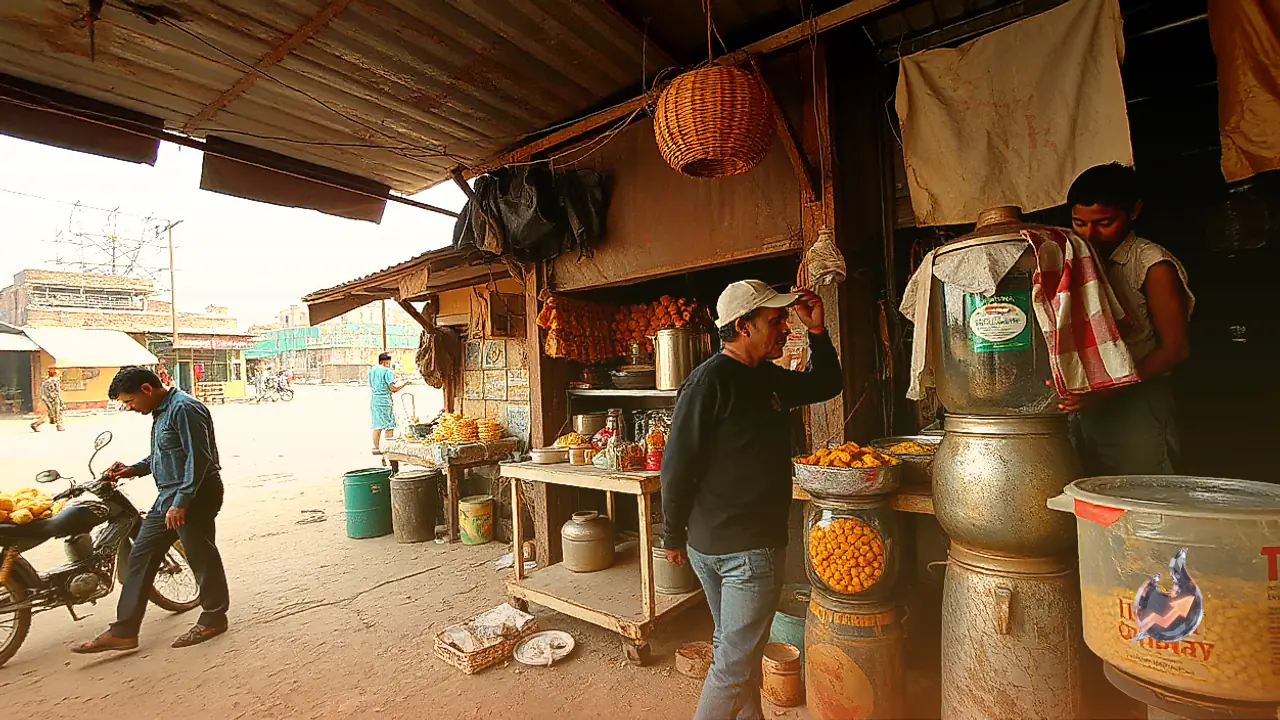

Among traditional Indian sweets, the regional kala jamun of Samastipur holds a distinguished reputation for its distinctive dark exterior and melt-in-the-mouth texture. Replicating the authentic touch of professional sweet shops at home requires a disciplined approach toward ingredient ratios and temperature management. According to artisan Sanjeev, every single phase matters tremendously, ranging from curdling fresh milk for chhena and blending khoya to crafting smooth dough balls and soaking them in warm sugar syrup. Sweet lovers aiming to prepare pristine, market-grade sweets at home can successfully do so by adopting these traditional techniques using readily available ingredients.
The Core Method for Preparing Fresh Chhena and Khoya
The foundation of an authentic kala jamun lies entirely in the freshness of the milk solids. Sanjeev explained that crafting chhena starts with bringing milk to a thorough rolling boil. Once heated properly, small quantities of lemon juice or an appropriate food-grade acid are gradually mixed in until the curd separates cleanly from the watery whey. The curdled mass is then strained thoroughly to eliminate residual moisture, preventing the final dough from turning soggy. Simultaneously, making khoya requires milk to be continuously simmered and stirred in a wide pan until it thickens gradually and transforms into dense milk solids.
Precise Ingredient Proportions for a One-Kilogram Batch
For those aiming to prepare a batch of roughly one kilogram of sweets, Sanjeev recommended starting with a balanced ratio of approximately 250 grams of chhena and 250 grams of khoya. To bind the dough together and achieve the signature body, around 50 grams of semolina (sooji), a small measure of sugar, and aromatic cardamom powder are blended in. A mere pinch of baking soda can be incorporated to facilitate an airy interior and ensure structural binding. Depending on the inherent moisture present in the freshly made chhena and khoya, these proportions may need slight manual adjustments. The ingredients must be kneaded together thoroughly until a pliable and uniform dough forms, ensuring it is neither overly dry nor excessively sticky, as improper texture can compromise the shape of the sweet.
Forming Crack-Free Balls and Mastering the Frying Pan
Once the dough achieves the right suppleness, it is divided into small, neat portions and rounded into balls. According to Sanjeev, placing a tiny speck of mawa or a few granules of sugar directly inside the core of each ball introduces an exquisite flavor variation upon biting into the cooked sweet. It is vital to roll the spheres until their surface is completely sleek, as any visible hairline fissures can cause them to disintegrate in hot fat. Ghee or refined oil should be heated in a deep frying vessel, and the balls must be fried gently at a measured temperature. Kala jamun demands a characteristic dark brown hue, but excessive flame heat will scorch the outer crust while leaving the center unbaked, making heat regulation essential.
Syrup Soaking and Final Presentation
Alongside the frying station, a clear sugar syrup is brewed by combining granulated sugar and water. Once the fried jamuns emerge with a rich, dark complexion, they should be set aside briefly to stabilize their structure before entering the bath. The treats are then submerged into lukewarm sugar syrup, allowing the liquid to permeate deeply into every layer. After resting long enough to become fully saturated, these Samastipur-style kala jamuns are ready for table service.