






















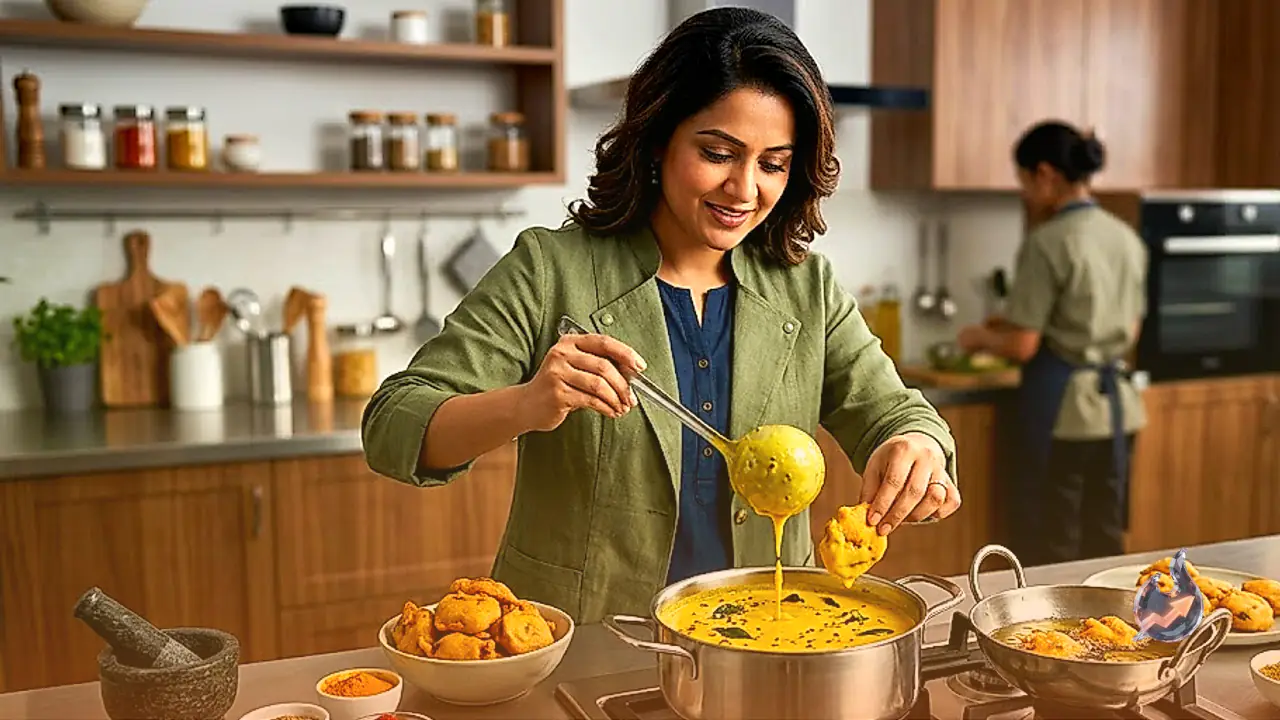

Kadhi holds an enduring place among traditional Indian culinary staples. Combining gram flour and curd, this classic dish offers a wholesome balance of nutrition and comfort. However, home cooks frequently encounter challenges during its preparation. Common pitfalls include lumpy flour pockets, curd splitting under heat, or a final texture that lacks the rich consistency found in restaurants. By mastering a few straightforward techniques and paying attention to preparation details, anyone can produce smooth, flavorful, and perfectly balanced kadhi every single time.
Selecting the Right Curd for Optimal Flavor
The foundational taste of kadhi relies heavily on the characteristics of the curd used. Choosing completely fresh, sweet curd often leaves the dish tasting flat and uninspired. A slightly sour curd is ideal for achieving the signature tanginess that defines genuine traditional kadhi. This subtle acidity brings life to the dish and provides the perfect backdrop for aromatic spices.
Achieving a Lump-Free and Creamy Batter
Unpleasant lumps in the gravy usually occur when gram flour fails to integrate evenly with the curd. To prevent this, thoroughly whisk the curd and gram flour together until the mixture turns completely smooth and uniform. Utilizing a manual wire whisk or an electric blender helps break down dry pockets effortlessly. Proper blending ensures the cooked gravy develops an appealing, creamy texture.
Balancing Gravy Consistency
A satisfying bowl of kadhi depends greatly on maintaining the correct thickness. A gravy that is too thin feels watery, whereas an overly thick preparation becomes dense and heavy as it cools. Dilute the whisked curd and flour base with measured quantities of water, stirring continuously to establish a cohesive and flowing consistency before heating.
Simmering on Low Heat to Prevent Curdling
Patience remains a critical requirement when cooking kadhi. Place the mixture over low to medium heat and stir constantly from the very beginning. Keeping the liquid in steady motion during the initial stages prevents the curd from separating or curdling under rising temperatures. Gradual heating also permits the flavors to marry smoothly as the gram flour cooks.
Enhancing Aroma with a Classic Tempering
The defining soul of kadhi emerges from its aromatic tempering. Heat ghee or oil in a pan and add cumin seeds, fenugreek seeds, mustard seeds, asafoetida, dried whole red chillies, and fresh curry leaves. Pouring this sizzling mixture over the simmering gravy imparts an irresistible fragrance and enriches the overall flavor profile.
The Secret to Velvety and Soft Pakoras
For those preparing fritter-style kadhi, ensuring the pakoras remain soft is essential. Vigorously beat the gram flour batter beforehand to incorporate air, which yields light and spongy dumplings upon frying. After frying, soak the pakoras in lukewarm water for a few minutes, then gently press out excess moisture before transferring them into the hot gravy. This brief step guarantees exceptionally tender fritters that absorb the surrounding gravy beautifully.
Allowing Sufficient Boiling Time
Never rush the final cooking stage. Allow the kadhi to simmer gently on low heat for at least 25 to 30 minutes. This extended simmering time thoroughly cooks the gram flour, eliminating raw undertones and developing a rich, full-bodied culinary finish.