



















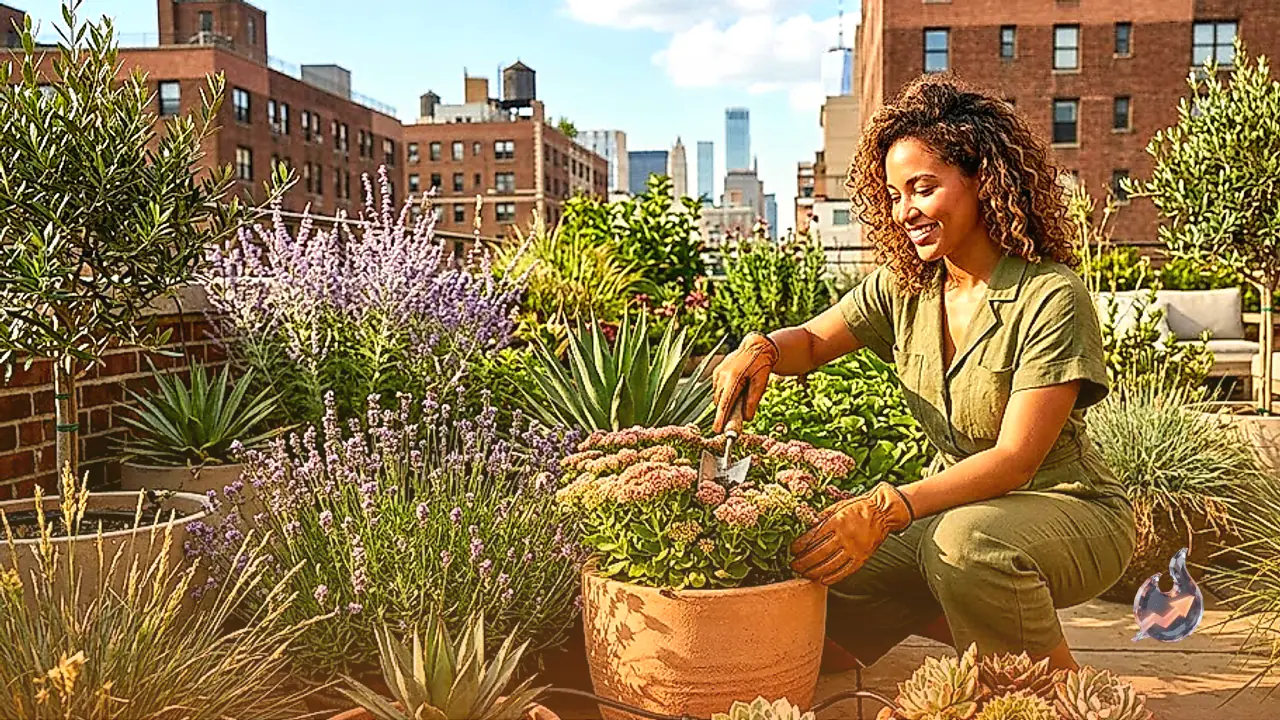

When summer heat beats down mercilessly on open concrete roofs, most urban residents assume that sustaining greenery under direct sunlight is an impossible task. In metropolitan centres like Delhi, where daytime temperatures frequently soar, keeping a terrace garden alive is widely perceived as an exhausting chore. However, this challenge can be easily solved through informed selection. By choosing hardier botanical varieties that naturally withstand strong rays while demanding very little hydration, a rooftop can flourish even through harsh spells. A thoughtfully arranged rooftop setup can also transform an ordinary concrete slab into a thriving pocket sanctuary for butterflies and small birds.
Working to assemble a miniature urban wilderness atop his own building for several years, Aman has observed these dynamics firsthand. His terrace now supports a vibrant ecosystem where birds and pollinating insects congregate through the daylight hours. Aman emphasizes that navigating severe northern Indian summers requires mindful curation of plant species rather than impulsive planting. Because every botanical species operates on distinct biological requirements, applying an identical maintenance routine to all containers is guaranteed to fail.
Bougainvillea Thrives Under Harsh Sunlight
For spaces bathed in unbroken, relentless light, Bougainvillea remains the top recommendation. This hardy, woody climber tolerates heat with remarkable resilience, requiring minimal watering once its root network takes hold. Across his own setup, creeping Bougainvillea vines sprawl widely across trellises and borders. When the bracts burst into vivid color, they instantly attract passing birds and insects. For homeowners whose roofs offer zero natural shade, establishing Bougainvillea is the most reliable long-term landscaping decision.
Bright Yellow and Orange Splendor with Tecoma
Another robust contender well-suited for hot, arid conditions is Tecoma. Known for producing clusters of bell-shaped flowers in brilliant orange and yellow tones, this shrub lends tremendous visual appeal to any outdoor setting. Aman points out that growers can pick from several Tecoma cultivars depending on the pot sizes available. Crucially, the plant requires only modest amounts of moisture to sustain its bloom cycles. Placing Tecoma alongside Bougainvillea creates a striking contrast that mimics a natural woodland edge.
Plumbago Brings Calming Blue Tones
During the peak of dry periods, when many flowering varieties stop producing blooms altogether, Plumbago steps forward to provide color. Bearing clusters of delicate light-blue and violet petals, it introduces a cooling presence to heat-soaked terraces. Plumbago manages perfectly well on restrained water rations, making it a natural addition to any terrace garden enduring intense seasonal heatwaves.
Jatropha Offers Toughness and Ease
Jatropha stands out among durable ornamental shrubs that ask for very little water. For busy city dwellers who cannot commit to rigorous daily watering schedules, integrating this species keeps the terrace verdant without constant oversight. Its drought-resistant character ensures dependable foliage even when irrigation happens sporadically.
The Dense Floral Clusters of Ixora
Among all the varieties across his terrace, Ixora remains Aman's personal favorite. It produces dense, rounded flower heads packed with tiny individual blossoms. While the plant naturally thrives across Southern India's humid conditions, it can be grown successfully in Delhi with mindful adjustments. Unlike virtually maintenance-free picks, Ixora demands a bit more attentive moisture management and regular monitoring, but its spectacular flowering display justifies the extra care.
Tailoring Nutrition and Care to Individual Needs
Aman explains that gardeners should approach their plants much like nurturing children. Every child possesses unique needs and quirks, and plants mirror that exact same reality. Certain species require full, unfiltered sun, whereas others perform best in partial shade. One pot might thrive on drought-like intervals, while another wilts without steady hydration. To sustain robust health and continuous flowering, growers should routinely enrich the soil with organic compost and vermicompost, ensuring the growing medium retains balanced nutrients over time.