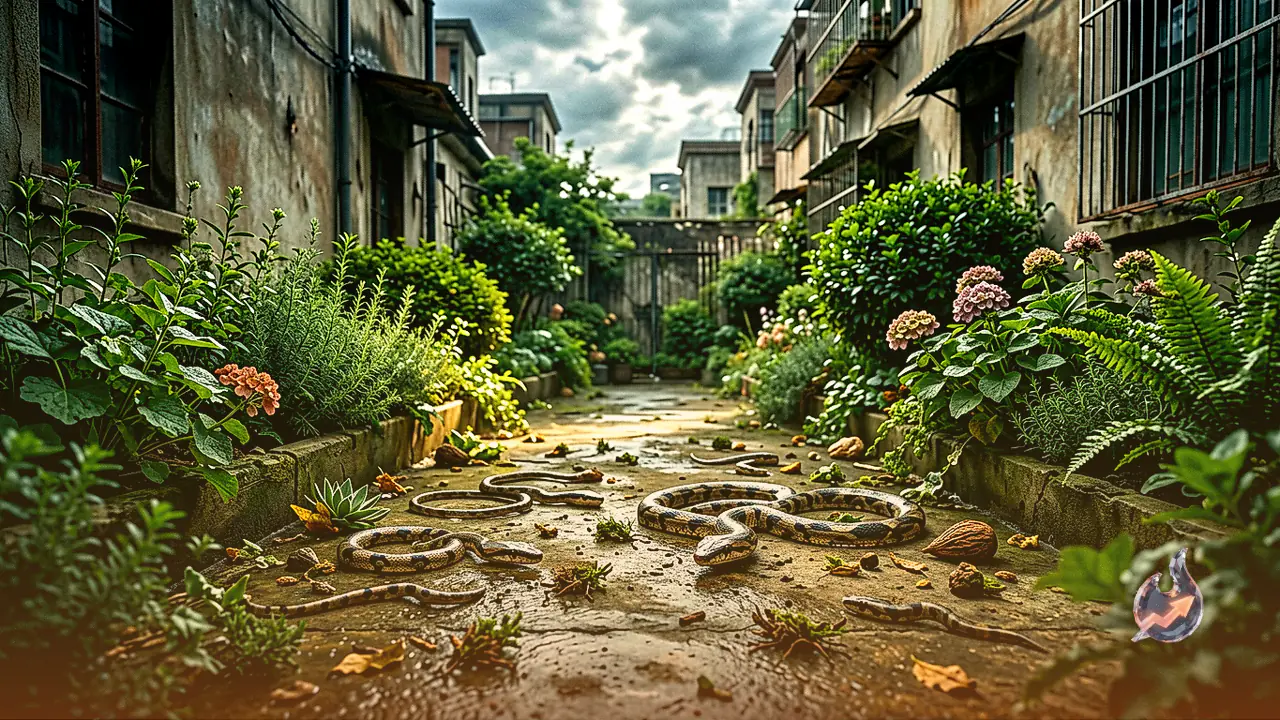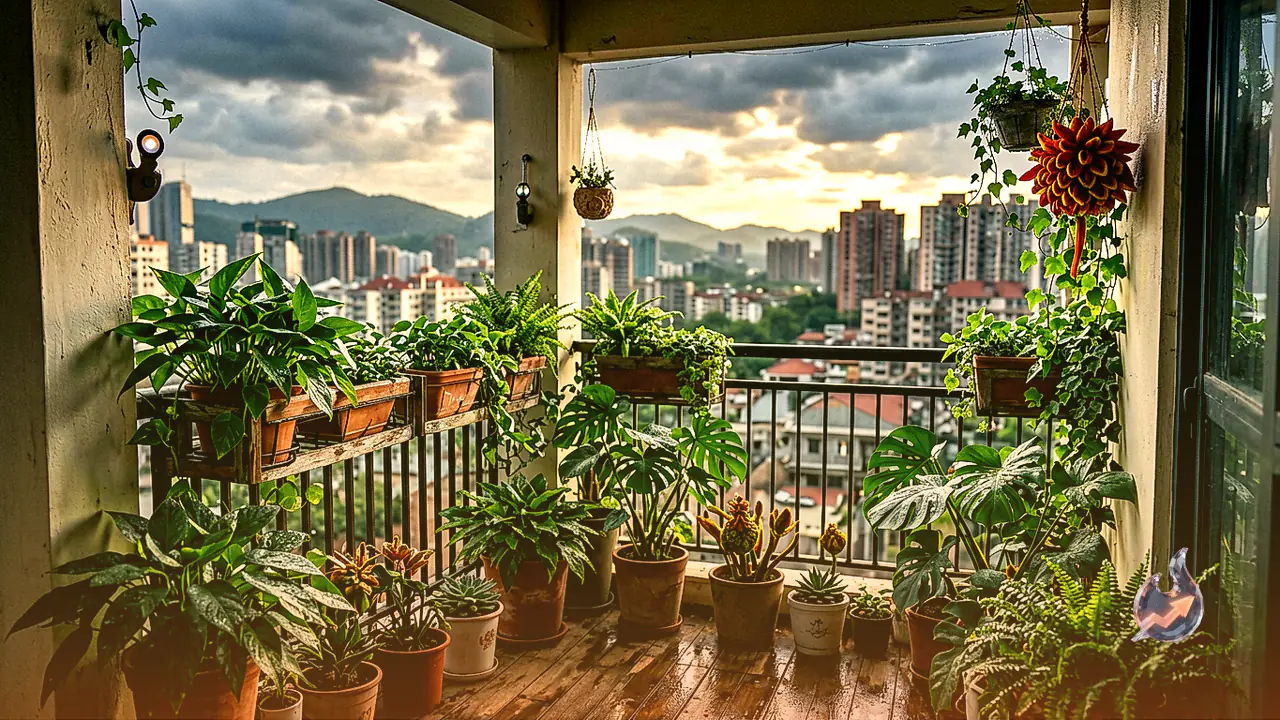























As monsoon rains return to Lakhimpur Kheri and the wider Tarai belt of Uttar Pradesh, an old worry comes back with them, snakes turning up inside homes and courtyards. Relentless rain floods fields, burrows and bushes, pushing snakes out of their flooded habitats and toward drier, safer ground, often right into residential areas. It is only natural for families in the region to feel uneasy once the rains set in.
Not every snake is dangerous, but caution still matters
It helps to remember that not every snake is venomous, and snakes rarely attack people without reason. They bite only when they sense a threat to their own safety, so panic is far less useful than accurate information and a bit of preparedness. That is exactly why many households now grow a handful of specific plants around their homes, plants whose strong scent, prickly texture or altered surroundings make the area far less inviting for snakes.
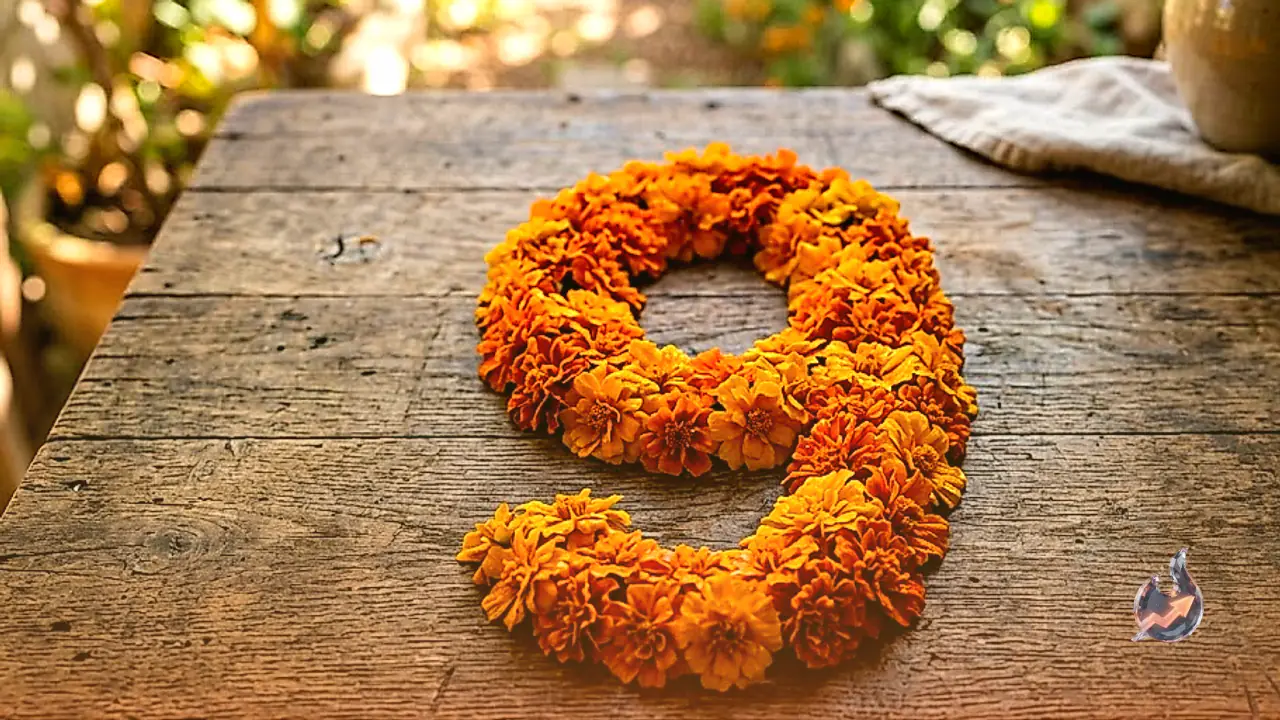
Marigold's sharp fragrance keeps snakes at bay
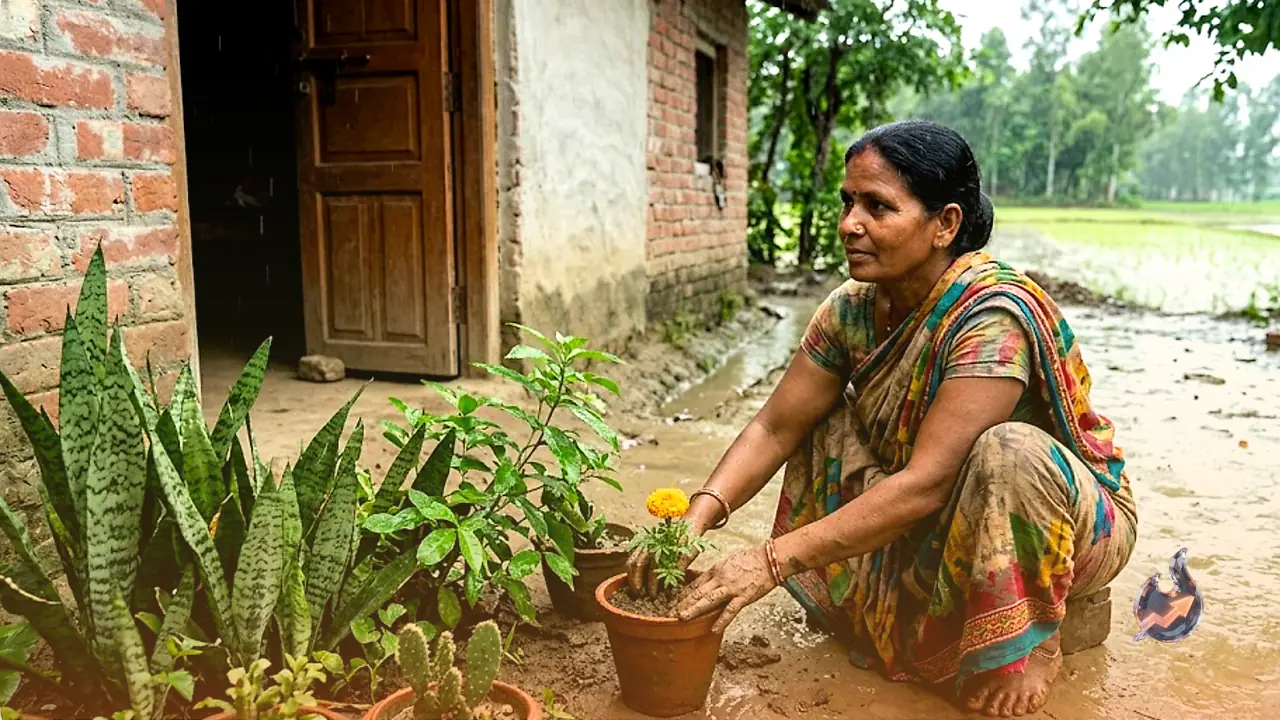
Marigold grows easily in almost any home or garden. Its strong smell has long made it a go to plant for keeping various insects away, and the same belief extends to snakes. The fragrance of the yellow orange marigold flowers is said to be something snakes simply cannot tolerate, so they tend to avoid getting close to the plant. Beyond that reputation, marigold also adds to a home's beauty and can be grown in the garden, on a balcony or even on the terrace.
Snake plant, sharp to look at, unwelcome to snakes
The snake plant is also known as mother in law's tongue because of its long rootstocks. Its leaves look sharp and pointed, much like a tongue. It is believed that snakes prefer to stay away from this plant. Beyond its reputation for keeping snakes off, the snake plant also enhances home decor and is considered a genuinely useful plant to keep around.
Sarpagandha, a name that hints at its effect
Sarpagandha is said to carry a smell so unusual that snakes flee the moment they sense it. The plant's roots are yellow brown in colour, while its leaves are a bright green. Growing it on a balcony during the rainy season is one way to try and keep snakes away from the house. Sarpagandha is more than just a snake deterrent, it is also a well known medicinal plant that has been used in Ayurveda for a long time.
Prickly cactus creates a natural barrier
Cactus, too, is considered effective at keeping snakes at a distance. Its thorny form is enough to make snakes reluctant to go anywhere near it. Cactus can be placed on a balcony, near a window or even indoors, making the route through that spot considerably less convenient for any snake trying to pass.
Nagdauna's sharp scent is too much for snakes
Nagdauna is a plant with a distinctive smell that snakes cannot tolerate. Anyone looking to keep their family safe from this dangerous creature can plant nagdauna in the garden, courtyard, balcony or right at the main entrance of the house. The plant is easily available at nurseries. Its sharp scent is strong enough that snakes generally choose to stay well away from it.