























Growers and home gardeners frequently assume that heavy chemical fertilizers represent the only viable path to achieve higher yields and vigorous plant development. In reality, relying exclusively on synthetic compounds is unnecessary when well proven organic practices can yield equivalent or superior results. Relying on organic nutrition delivers strong plant performance without leaving harmful chemical residues on human health or degrading delicate topsoil ecosystems over time.
The Pitfalls of Synthetic Chemicals on Soil Vitality
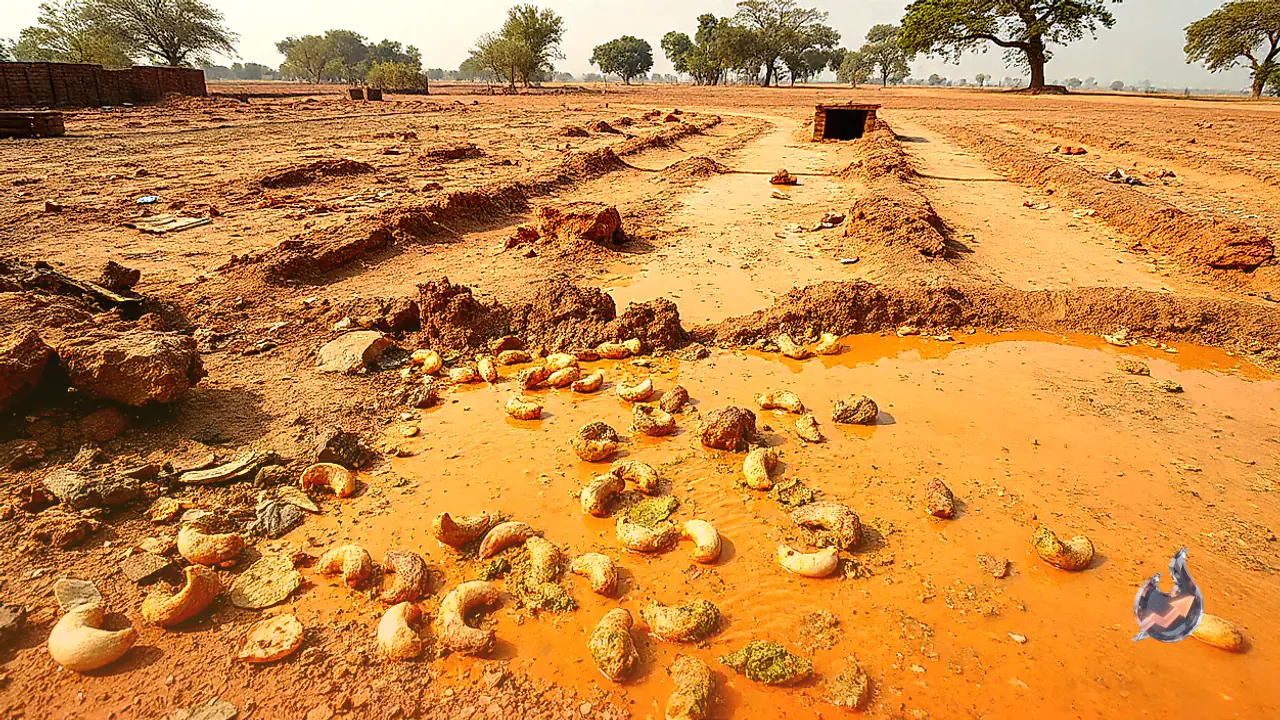
Awdhesh Prasad, a resident of Bori Dih village in the Khudaganj police station jurisdiction of Nalanda district, works along the border region between Jehanabad and Nalanda. Having worked for several years at the Magahi Pan Research Centre, he possesses practical insights into regional agricultural challenges. He observes that when fruit trees fail to bear adequate fruit, many growers hastily turn to synthetic fertilizers. Over time, the widespread overuse of these chemical additives has gradually depleted arable land, leaving soils barren and diminishing overall agricultural returns despite high input expenditures.
Nutrient Density and Historical Roots of Mustard Cake
Rather than turning to synthetic chemical inputs when trees struggle, replacing those substances with mustard cake offers a sustainable and potent alternative. Mustard cake serves as a balanced organic fertilizer packed with vital nutrients necessary for vegetative growth and fruit setting. Earlier generations of farming communities routinely relied on this organic byproduct to maintain fertile land and secure bountiful harvests. Reintroducing mustard cake restores natural soil biology, promotes balanced growth cycles, and consistently improves the crop bearing capacity of trees.
Proper Application Technique for Lemon and Fruit Trees
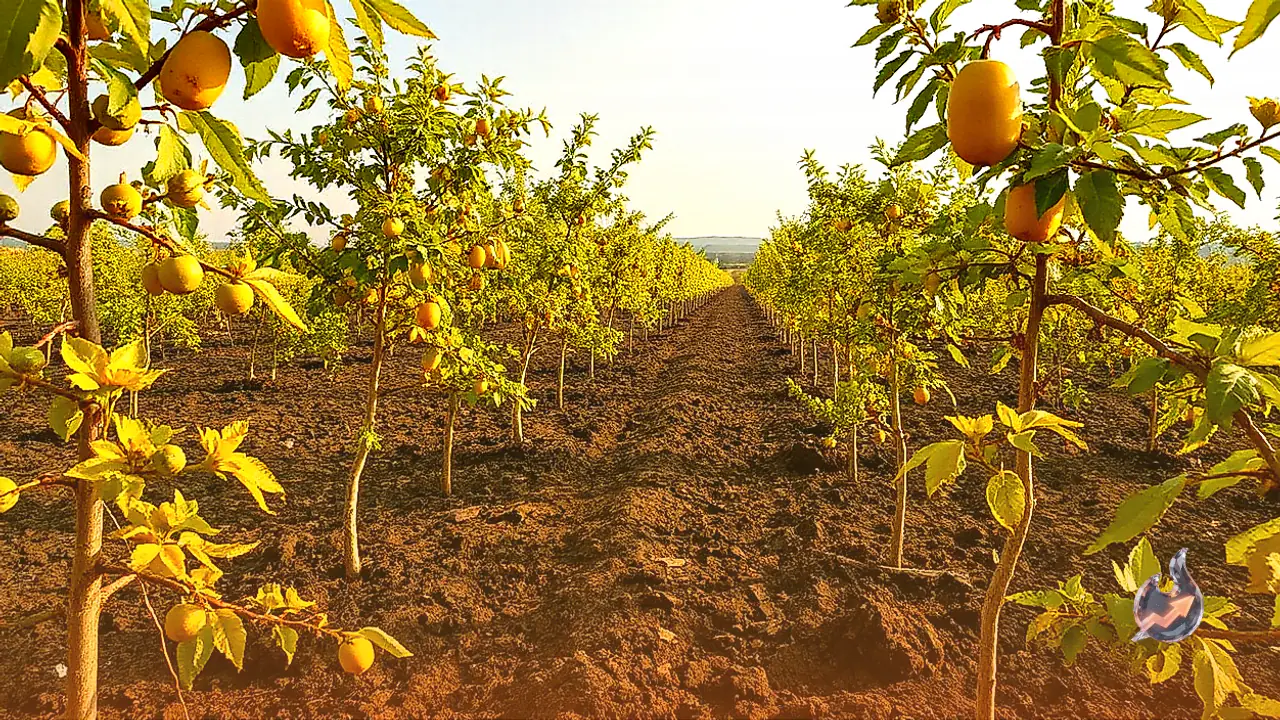
For household plants such as lemon trees, applying mustard cake requires a simple, straightforward garden routine. Begin by observing the ground area directly covered by the plant canopy shade, and carefully hoe the soil surrounding the root zone within that radius. Once that shaded patch has been thoroughly tilled, distribute the mustard cake evenly across the entire loosened soil surface. Immediately follow this step with a thorough watering so the nutrients integrate into the soil structure. Placing organic nourishment directly around the active root perimeter quickly stimulates visible improvements in flowering and fruit production.
Cost Effective Organic Management for Better Yields
Managing the dosage correctly ensures optimal results without wasting resources. A standard application calls for approximately half a kilogram of mustard cake per fruit tree. The financial investment required for this treatment remains minimal, allowing home growers and orchardists to revitalize sluggish trees into productive plants without steep costs. Embracing natural soil amendments like mustard cake consistently demonstrates that sustainable organic practices deliver exceptional agricultural outcomes.