







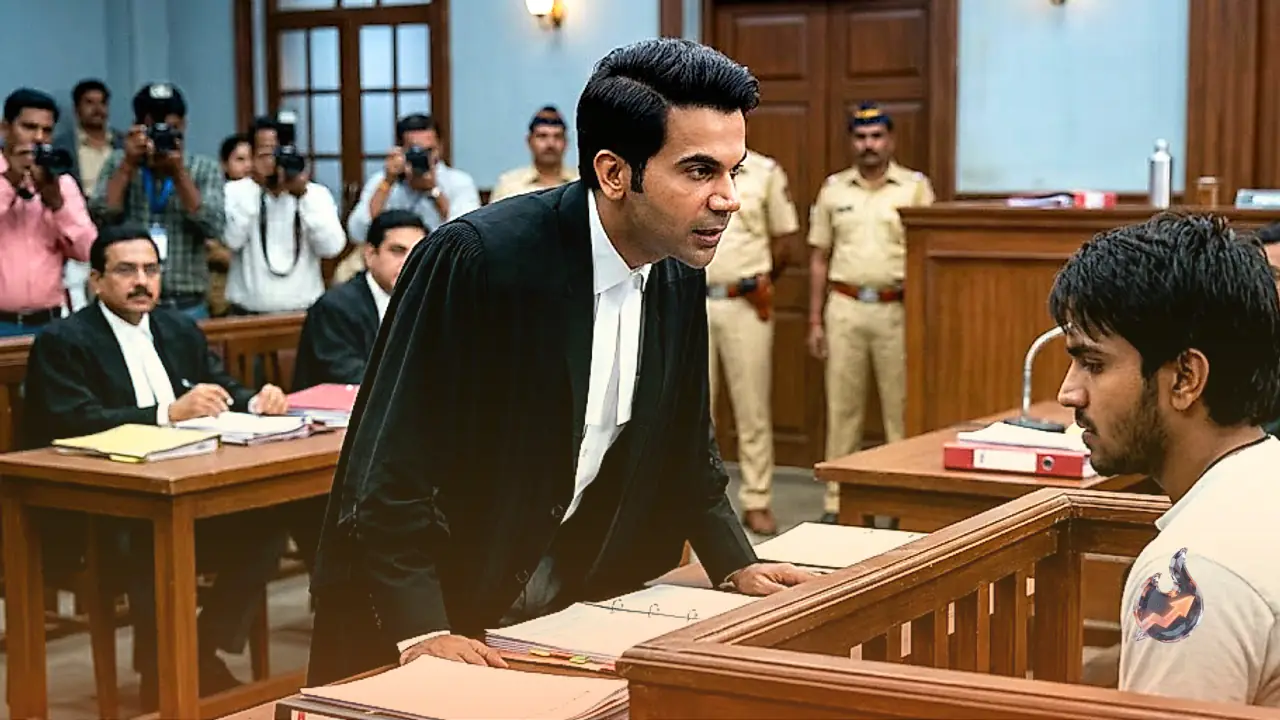














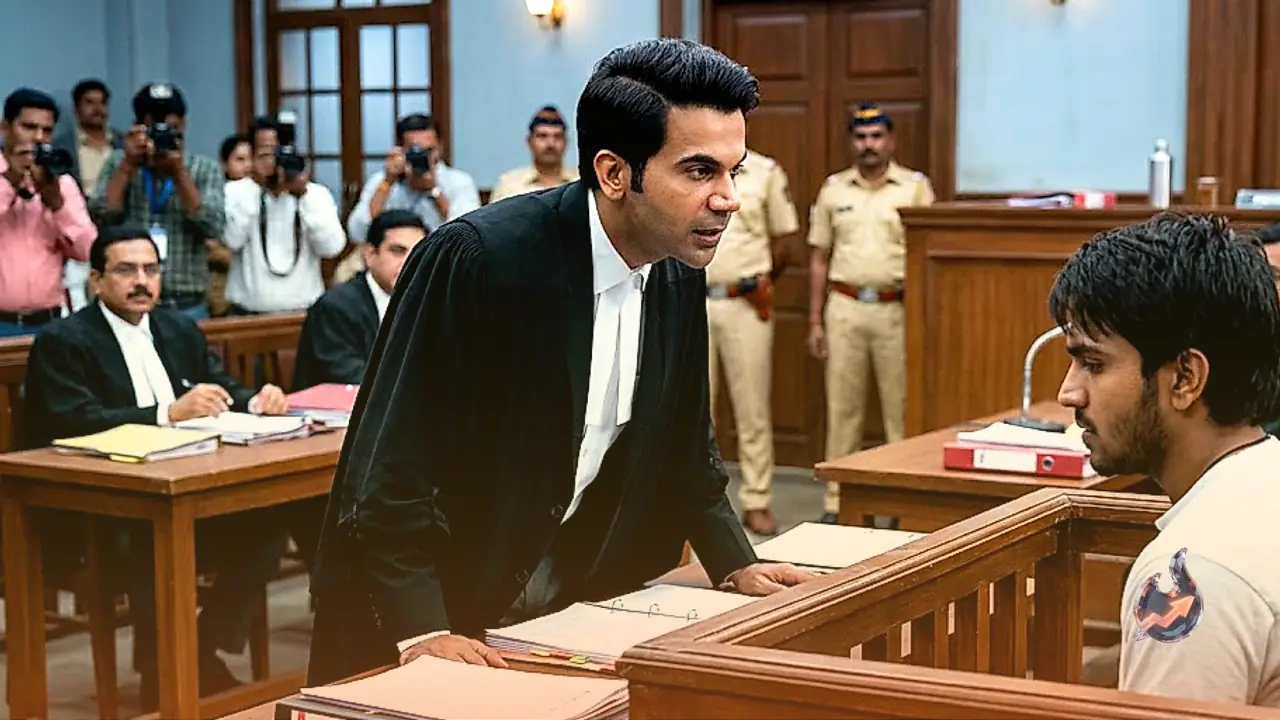

The intense legal duel between 26/11 Mumbai terror attack convict Ajmal Kasab and special public prosecutor Ujjwal Nikam is set to be depicted on the silver screen through the upcoming film Prahaar: The Untold Story of Ujjwal Nikam. Directed by Avinash Arun and featuring Rajkummar Rao in the titular role, the cinematic project revisits the historic courtroom battle that gripped the nation. Central to the legal proceeding was a calculated attempt by the terrorist to exploit statutory loopholes by claiming he was a minor, an event that became a defining turning point of the trial.
The Strategic Bid to Evade Capital Punishment
When the formal trial commenced in April 2009, defense counsel Abbas Kazmi presented an unexpected application before the special court. Kazmi asserted that the accused was merely 17 years old on the night of the strikes and should therefore be categorized as a juvenile. The plea demanded the transfer of the case to a juvenile justice court. Under the statutory framework of Indian law, establishing juvenile status would have precluded the court from awarding capital punishment. The maximum statutory penalty in that scenario would have been restricted to just three years in a juvenile remand facility.
Forensic Examination and Medical Findings
Special public prosecutor Ujjwal Nikam aggressively contested the defense claim, describing it as an attempt to prolong the trial and avert capital sentencing. Acting on Nikam's submission, the court directed a comprehensive scientific examination. A panel consisting of four doctors from Sir JJ Hospital, headed by Dr. Nanda Kumar, performed exhaustive forensic evaluations on the accused. The medical team conducted bone ossification procedures and dental X-ray imaging, concluding decisively that on the night of November 26, 2008, the accused was at least 19 years and 6 months old, firmly establishing that he was an adult.
Official Records and Confessional Statements
The forensic findings were corroborated by prior administrative records and the accused's own disclosures. Swati Sathe, the then superintendent of Arthur Road Jail, testified in court that the prisoner had recorded his age as 21 years during admission procedures. Furthermore, during his initial medical care on November 27, 2008, at Nair Hospital, he had reported his age as 21 to Dr. Raghavan. The most critical documentary proof was the judicial confession recorded under Section 164 before a metropolitan magistrate, where the accused unequivocally stated that he was an adult aged 21.
Rejection of the Juvenile Plea by the Special Court
With an extensive chain of documentation and medical data placed on record, Special Judge ML Tahaliyani dismissed the application. The court also turned down a defense prayer requesting the requisition of birth verification documents from Faridkot in Pakistan, accepting the forensic ossification report as definitive legal evidence. Nikam observed that while the accused frequently displayed feigned emotion and tears inside the courtroom to elicit leniency, scientific findings conclusively dismantled the defense strategy. In August 2012, a Supreme Court bench comprising Justice Aftab Alam and Justice CK Prasad affirmed the validity of the medical evaluations and upheld the death penalty.
Cinematic Release Slated for October 16
Audiences will witness this courtroom drama on the big screen when Prahaar hits theaters on October 16. The project features Rajkummar Rao stepping into the shoes of special public prosecutor Ujjwal Nikam, while Sikandar Kher plays the defense lawyer and Ashish Vidyarthi portrays the presiding judge. The trailer has generated widespread attention, bringing the forensic and legal technicalities of the landmark case back to public consciousness.