





















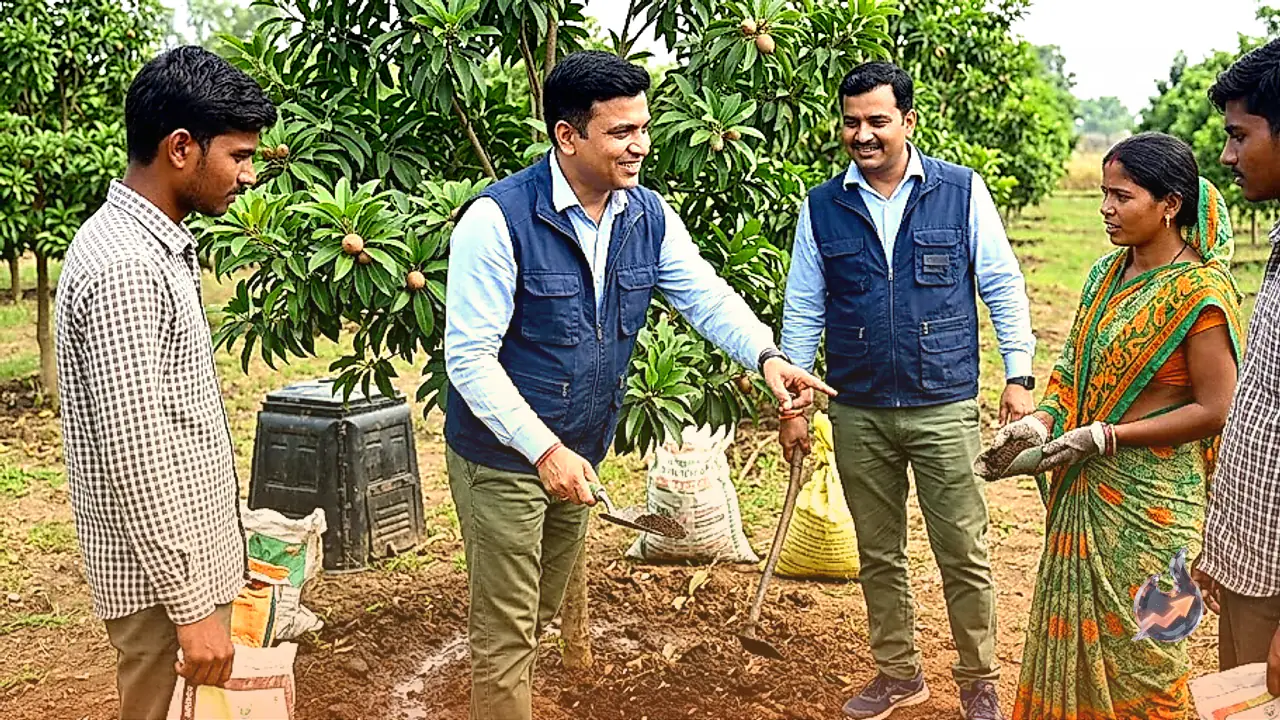

Caring for sapodilla orchards immediately following the rainy season is one of the most critical phases for farmers and orchard growers. The prolonged moisture and torrential downpours of the monsoon frequently introduce underlying soil problems that can silently damage plant vigor. If these issues are not resolved systematically, sapodilla trees may suffer stunted growth, root damage, and poor fruit setting in the subsequent harvesting season. Agricultural experts emphasize that as soon as the monsoon recedes, orchardists must execute a series of targeted field management practices to rejuvenate the trees and secure high yields.
Drain Stagnant Water Promptly to Protect the Root System
According to District Horticulture Officer Dr Puneet Kumar Pathak, excess water accumulation in the orchard after rainfall causes the root zones of the plants to rot rapidly. Waterlogged conditions deplete the soil of vital air pockets, promoting pathogenic root diseases and suffocating the underground structure. The foremost remedial measure is to eliminate all pooled water around the tree trunks without delay. Farmers should dig small drainage channels across the entire field so that surplus water drains away quickly and smoothly. Dry, aerated soil is the single most essential foundation for restoring the vitality of sapodilla plants.
Loosen Compacted Soil through Gentle Hoeing to Restore Airflow
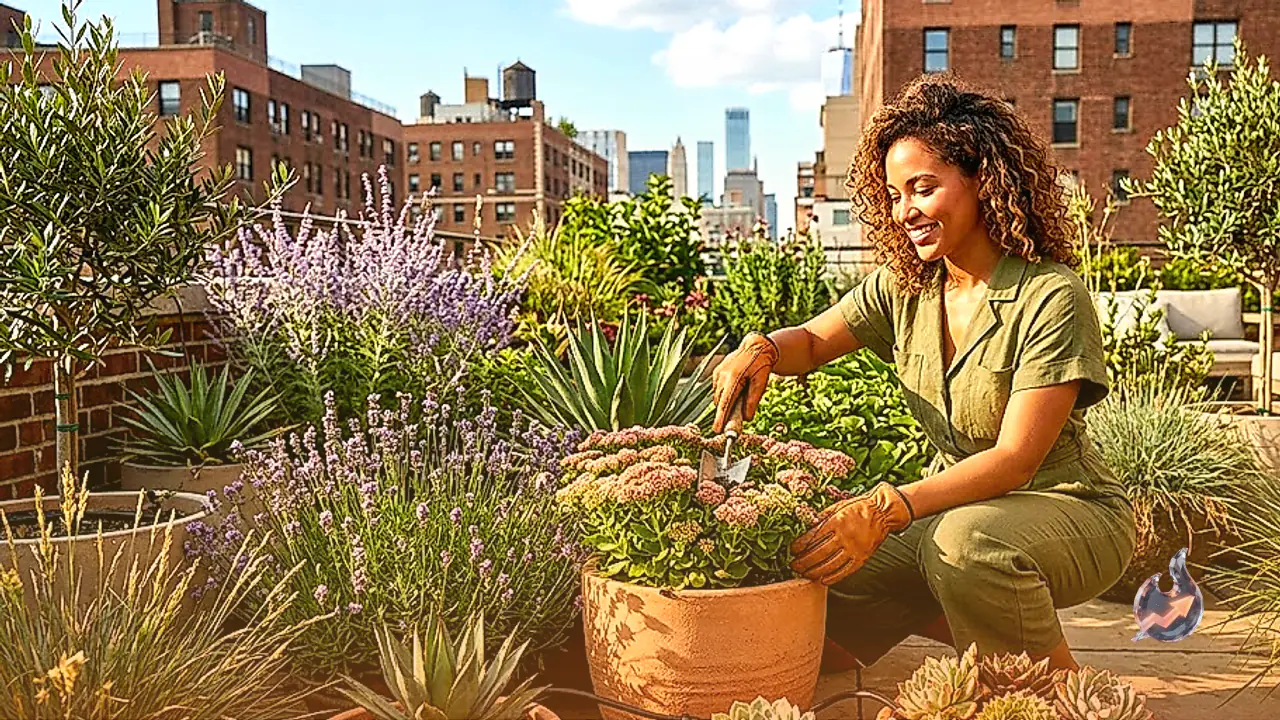
The continuous pounding of heavy rain droplets packs the topsoil tightly, forming a dense and rigid upper crust. This hardened layer effectively prevents ambient air and oxygen from penetrating down to the root network. To alleviate this problem, orchardists should maintain a safe clearance from the central trunk and perform light, shallow hoeing with a garden trowel or hand weeder. This operation loosens the crusted earth, restores healthy oxygen circulation, and allows the root system to breathe freely again. During hoeing, extreme caution must be exercised to ensure that neither the primary taproot nor the delicate feeder roots suffer any cuts or mechanical damage.
Eliminate Weed Competition and Wild Grasses Around the Base
The monsoon season invariably triggers a rapid outbreak of unwanted wild grasses and pervasive weeds in the tree basin. These competitive weeds voraciously absorb moisture and critical soil nutrients, depriving the main sapodilla tree of its sustenance and causing it to weaken progressively. While carrying out soil hoeing, growers should uproot all competing weeds around the base directly from their roots and discard them outside the plot. Providing a clean, weed-free basin guarantees that the sapodilla plant receives unobstructed growing space and the full share of all applied nutrients.
Supply Well-Decomposed Compost and Potash for Optimal Nutrition
Supplying balanced nourishment is indispensable for rejuvenating plant vigor after the physical stress of the rainy season. Immediately after aerating the soil through light hoeing, apply well-rotted farmyard cow dung manure or vermicompost around the root zone. Organic manures enhance the physical structure and microbial life of the soil, supplying sustained, gradual nutrition over extended periods. Once distributed, the manure must be mixed thoroughly with the surrounding soil so that its essential properties filter down directly to the active roots.
To build a robust plant capable of bearing dense clusters of heavy fruit, supplementing the organic fertilizer with potash is strongly recommended. Incorporate a modest dosage of potash along with the cow dung compost into the soil. Potash accelerates the natural fruit formation process, expands fruit size, and fortifies the internal immune system of the tree against opportunistic illnesses. The combination of potash and organic matter dramatically improves the final quality of sapodilla fruits, making them significantly juicier, firmer, and sweeter. Furthermore, receiving optimal nutrition throughout fruit maturation stops premature fruit drops, enabling farmers to harvest the highest possible grade and volume of produce.
Ensure Sufficient Sunlight and Regular Canopy Pruning
Beyond soil fertility and nutritional amendments, adequate solar exposure is essential for photosynthesis and canopy health. A sapodilla tree requires at least 5 to 6 hours of direct, unfiltered sunlight each day. If adjacent large canopy trees are casting deep shade over the sapodilla foliage, prune back the obstruction to allow full light penetration. In addition, growers should conduct a thorough inspection of the foliage and stems every two to three days. If any dry, withered, or diseased leaves and twigs are spotted, remove them immediately to maintain canopy hygiene and ensure the entire tree remains lush and productive.