






















September stands out as an exceptional window for gardening enthusiasts looking to expand their green spaces through stem cuttings. Following the seasonal monsoon showers, the surrounding atmosphere retains ample humidity while the harsh intensity of summer heat steadily declines. This balanced climate dramatically increases the probability of fresh roots emerging from plant stems. With a thoughtful approach and healthy donor branches, anyone can cultivate vibrant new specimens at home without spending money at commercial nurseries.
Rooting Rose Stems with Precision
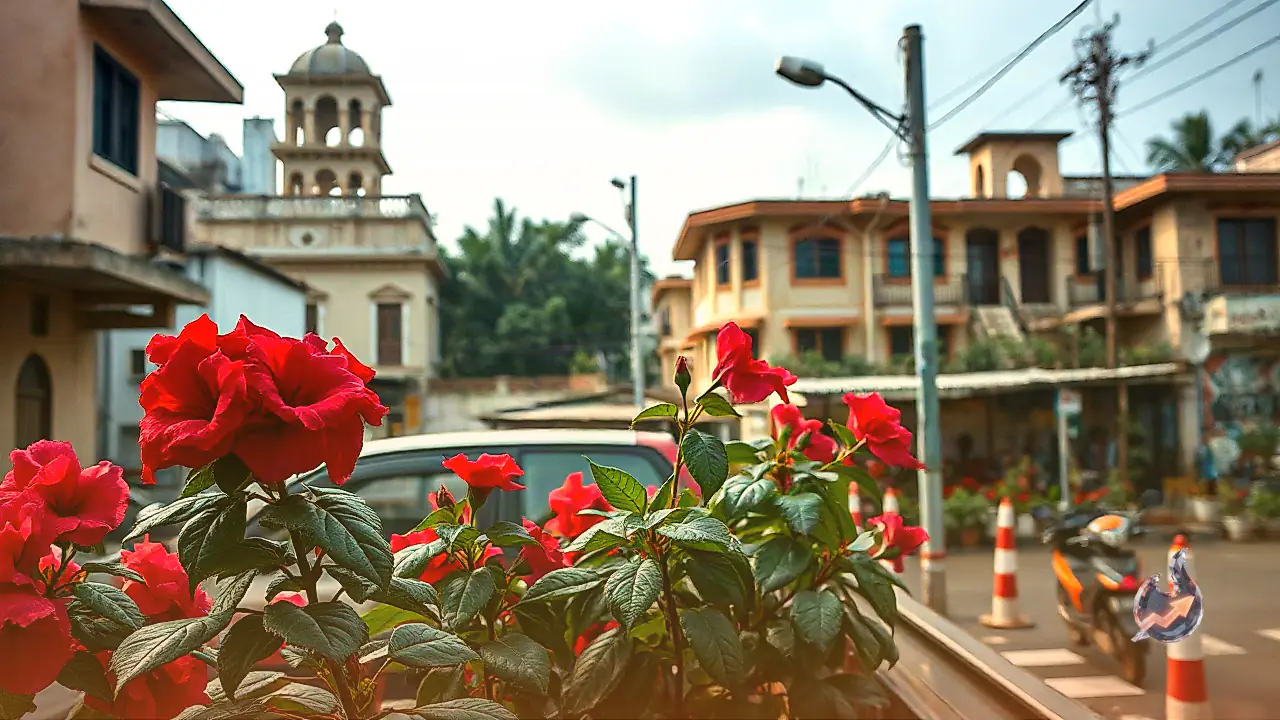
Propagating the classic rose bush through stem cuttings is straightforward when basic rules are observed. Select a firm, vigorous branch from a healthy rose plant, measuring roughly 4 to 6 inches in length. It is essential that the stem is neither overly soft and green nor completely dried out and brittle. Strip away the foliage from the lower section of the stem, preserving only a handful of leaves at the top. Insert the prepared cutting into a porous blend of garden soil and well-decomposed organic manure. Rather than saturating the container into muddy sludge, maintain merely a damp medium. With steady conditions, tender new foliage will begin emerging from the nodes after a brief transition period.
Establishing Hardy Hibiscus Stems
Known for its striking blooms, hibiscus is another dependable shrub that responds remarkably well to vegetative propagation. For the best outcome, prune a semi-woody, slightly thickened branch measuring around 5 to 6 inches long. Carefully clear the leaves from the bottom portion to prevent fungal rot beneath the soil surface. Plant the cutting into a potting mix structured for rapid drainage so moisture never stagnates around the base. In the preliminary stages, protect the tender shoot from direct, scorching sunlight. Keep the potting mix gently moist without overwatering, and noticeable leafy growth should become visible within a few weeks of consistent care.
Growing Money Plant in Water and Soil
Expanding a collection of money plants requires minimal effort and delivers rapid results. When snipping a vine, ensure that the cutting contains at least two to three nodes along its length. In botanical growth, these nodes are the precise junctions where adventitious roots sprout. The prepared stem can either be submerged in a jar of clean water or potted directly into moist soil. When opting for water propagation, replace the liquid every few days to keep it fresh and oxygenated. If planting in soil, monitor the moisture levels closely so the medium does not dry out. Money plants adapt readily to well-lit indoor spaces, making them exceptionally versatile for home interiors.
Cultivating Vibrant Bougainvillea Indoors and Out
The colorful, sprawling bougainvillea can also be successfully multiplied through cuttings during this humid period. Choose a mature, undamaged branch and take a 5 to 6-inch segment. After stripping the lower leaves, place the cutting into a lightweight, fast-draining potting mixture. Avoid placing the freshly potted container in intense direct sun immediately after planting. Instead, position it in a bright spot that receives ample indirect daylight. Provide a light splash of water only when the top layer of soil begins to feel dry to the touch.
Preparing Potting Mix and Container Drainage
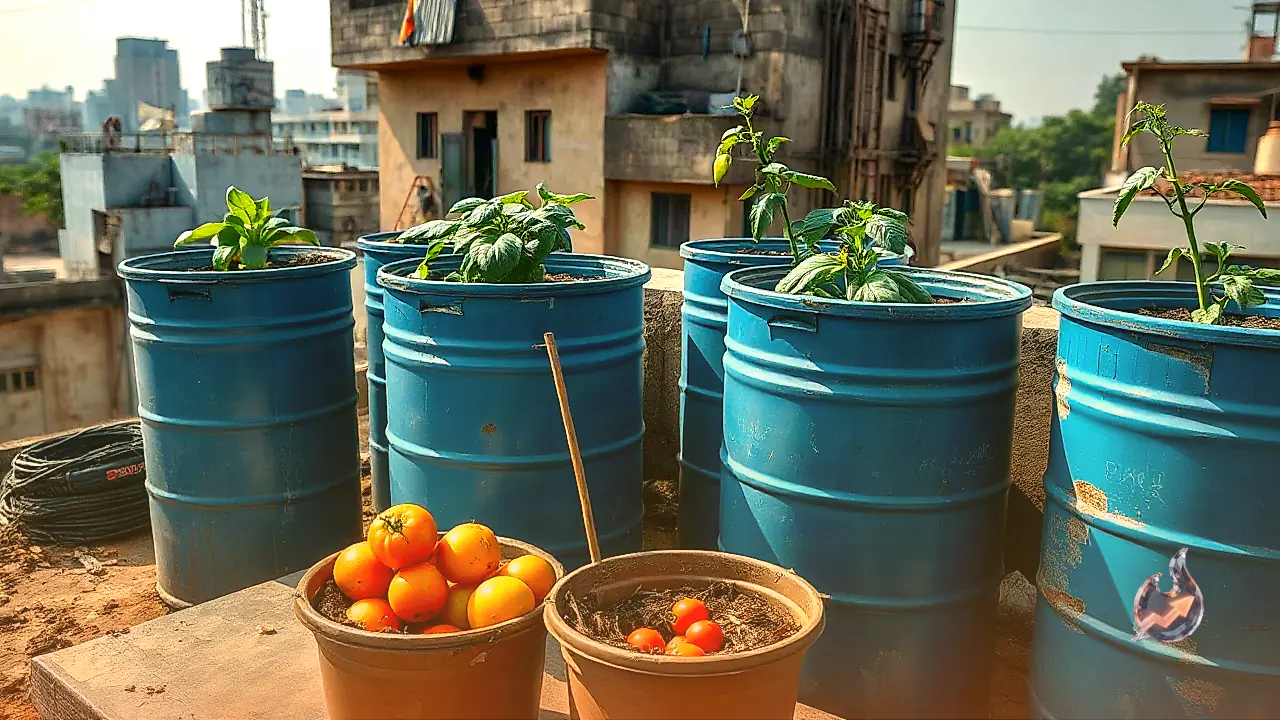
A properly structured potting substrate is the absolute foundation of successful root initiation. Dense, clay-heavy soil that retains standing water will quickly cause the submerged cut ends to rot. A balanced, airy medium can be easily blended by combining garden loam with decomposed compost alongside sand or coco peat. Ensure that every container features unobstructed drainage holes at the bottom to release excess liquid. After planting, place the containers in a sheltered area with gentle air movement. Because young cuttings require only mild surface moisture to survive, resist the urge to drench them with excessive water.
Practicing Patience During Root Formation
The process of vegetative propagation demands patience and minimal disturbance. It is common to see no visible movement above the soil line for several days, even as fragile subterranean root systems are actively spreading beneath. Resisting the temptation to pull the cutting up to check on underground progress is vital, as any mechanical disruption will snap the tender young root hairs. Periodically check the soil moisture with a fingertip and add water only when necessary. When fresh green leaves and expanding shoots finally emerge, it confirms that the cutting has established itself securely. To maximize your chances of success across rose, hibiscus, money plant, and bougainvillea varieties, always set two or three cuttings simultaneously.