




















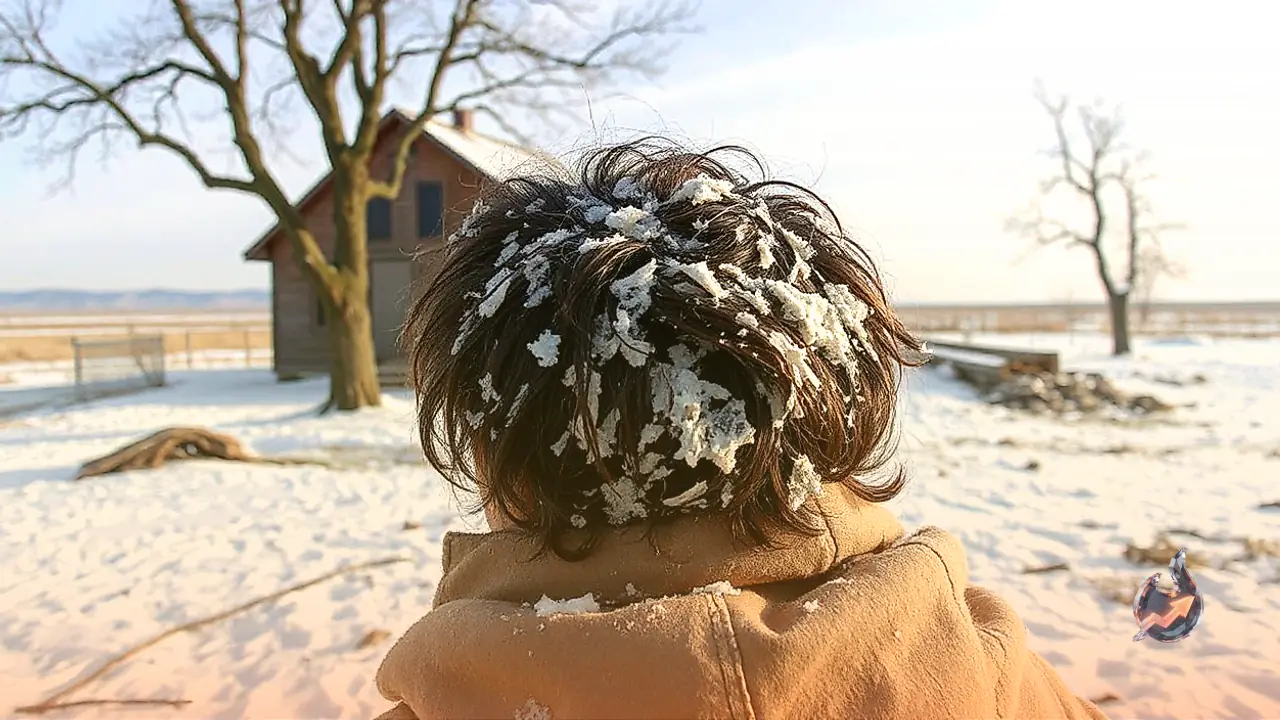

With the arrival of the cold winter season, issues concerning both skin and hair tend to rise sharply. Among these, the trouble of dandruff causes widespread discomfort as the weather turns chilly. An itchy scalp, the accumulation of white flakes along the hair roots, and dry skin shedding onto clothes become frequent nuisances. In many cases, this condition also triggers noticeable hair fall. To counter these concerns, people often turn to expensive market shampoos and a variety of chemical hair formulas, yet lasting relief frequently remains elusive. Ayush Medical Officer Dr. Mohammad Iqbal in Rampur explains that adopting sensible, natural home care techniques can effectively restore scalp balance during the dry months.
Why Cold Temperatures Trigger Excessive Scalp Dryness
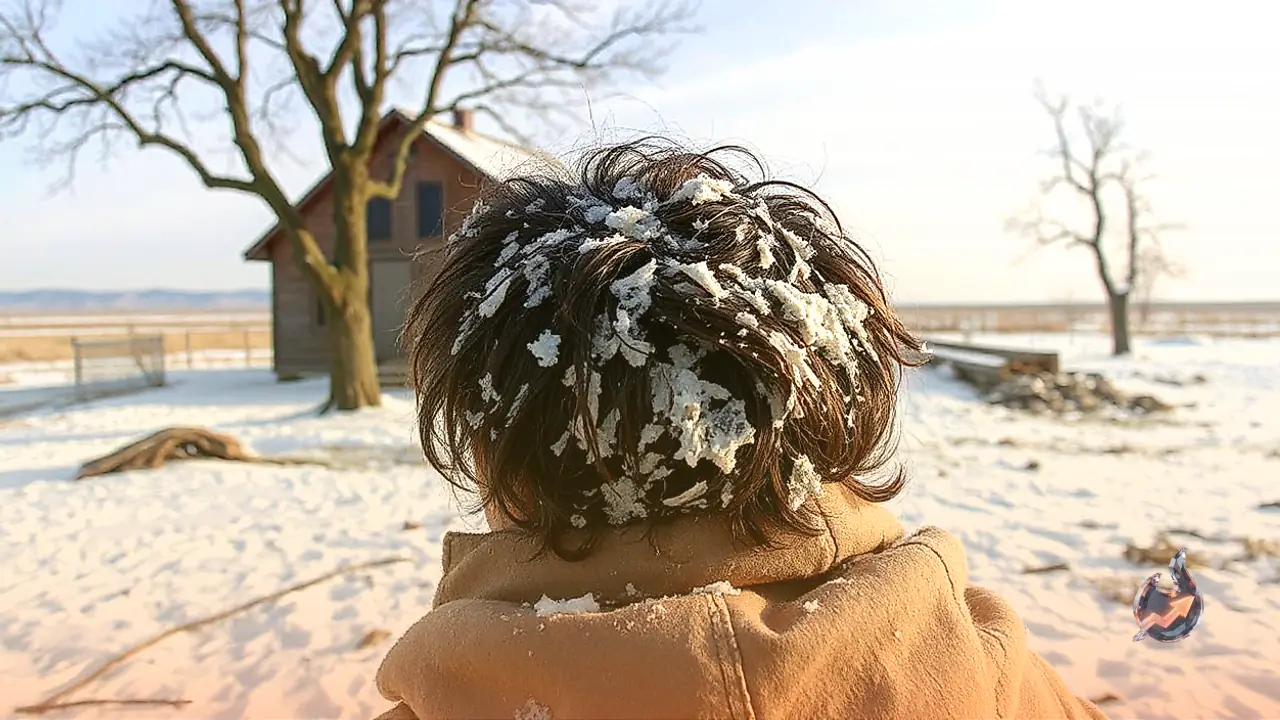
During winter, plunging temperatures and dry environmental air strip the skin of its essential natural oils. The scalp becomes excessively parched, leading to the rapid buildup of dead skin cells that shed as visible flakes. Dr. Mohammad Iqbal points out that this loss of hydration directly fuels dandruff, roughness, and relentless itching. When the scalp is deprived of proper care under these conditions, the hair follicles weaken. Consequently, maintaining adequate nourishment and surface hydration on the head becomes vital throughout the winter season.
Nourishing the Roots With Warm Mustard and Coconut Oil
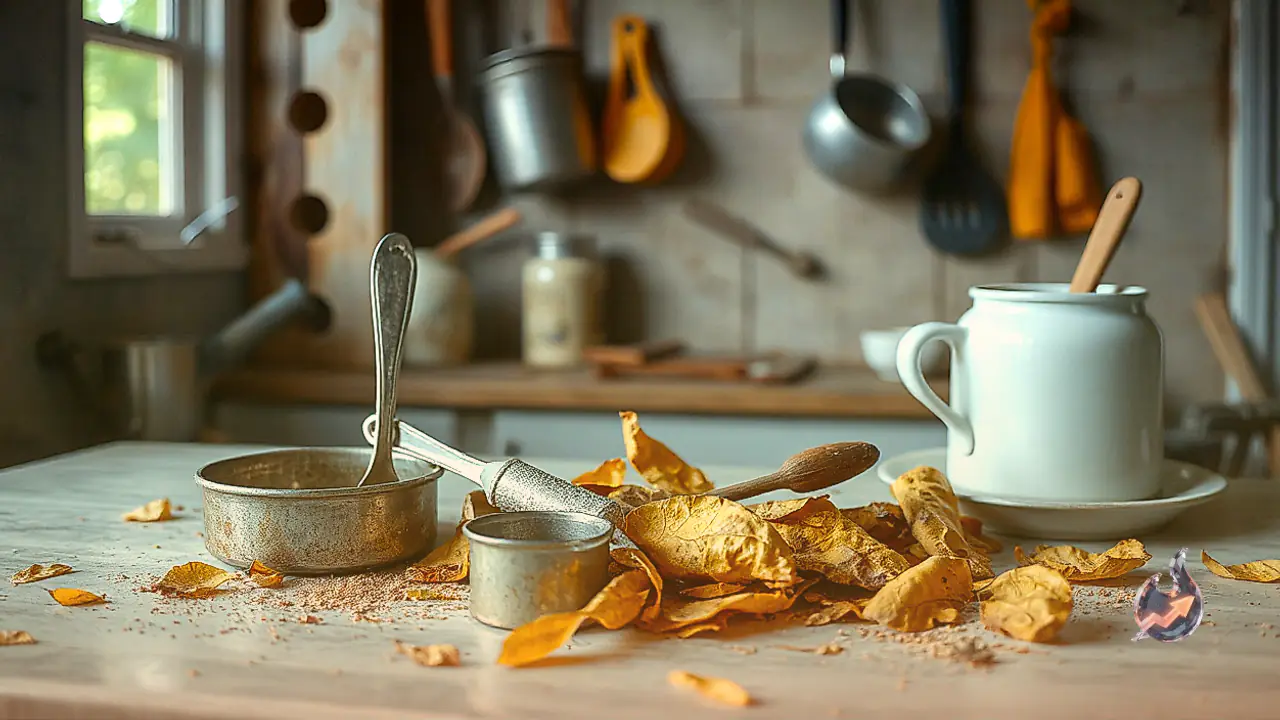
To keep flaking at bay, simple kitchen staples such as mustard oil or coconut oil provide significant nourishment. The oil should first be warmed to a mild, comfortable temperature. Using fingertips, gently massage the oil into the scalp using circular motions. Practicing this routine twice a week helps hydrate the skin and gradually eases persistent dryness. However, the oil must never be excessively hot, and one should strictly avoid harsh rubbing or aggressive scratching during application, as vigorous friction can aggravate sensitive scalp tissue.
Using Amla and Reetha as a Natural Cleansing Paste
When oil application alone does not resolve stubborn flakes, turning to amla and reetha offers an effective traditional alternative. Dr. Mohammad Iqbal recommends grinding both ingredients thoroughly into a smooth paste that functions like a natural hair wash. Apply this blend directly over the hair and scalp, allow it to sit for a brief period, and then rinse thoroughly with clean water. This herbal mixture facilitates thorough scalp cleansing, lifting accumulated residue without exposing the follicles to harsh commercial additives.
Common Hair Washing Habits to Avoid During Winter
Because of the chilly weather, individuals frequently wash their hair with very hot water. Excessively hot water strips the scalp of its remaining moisture, accelerating dryness and aggravating flake formation. Hair should only ever be washed using lukewarm water. Personal hygiene also plays an indispensable role; hair combs and bath towels must be kept clean to avoid recurring irritation. Additionally, avoid tying or wrapping damp hair tightly, and make sure to wash the hair two to three times a week to keep the scalp fresh.
When to Consult a Medical Practitioner
If persistent itching continues unabated, thick crusts form along the hairline, or home treatments fail to yield improvement, seeking professional medical guidance is necessary. Sometimes what appears to be simple dandruff may actually stem from underlying dermatological disorders or deeper skin conditions. Under such circumstances, applying unverified substances or arbitrary products to the hair without expert supervision must be avoided.