






















The arrival of the rainy season brings much-needed relief from the sweltering heat, but for gardening enthusiasts, it signals the arrival of the most productive time of the year. If you have been contemplating transforming an empty wall, a bare balcony, a plain gate, or a dull garden into a lush green sanctuary, the perfect moment has arrived. The monsoon season provides the ideal atmospheric conditions to decorate your home with climbing plants. Instead of waiting any longer, homeowners can take advantage of this weather to establish vines that will dramatically enhance the visual appeal of their living spaces.
The primary reason gardening experts recommend this specific season is the natural advantage it provides for plant establishment. During the monsoons, climbing plants are able to take root much faster than they would in dry or hot conditions. The persistent humidity and natural rainfall encourage rapid growth, allowing the vines to show significant progress in a remarkably short period. Because the soil naturally retains moisture during these months, the burden of frequent manual watering is greatly reduced. This effortless natural irrigation is exactly why many people specifically wait for the monsoon showers to begin their vine-planting projects.
Cooling Benefits and Natural Aesthetics
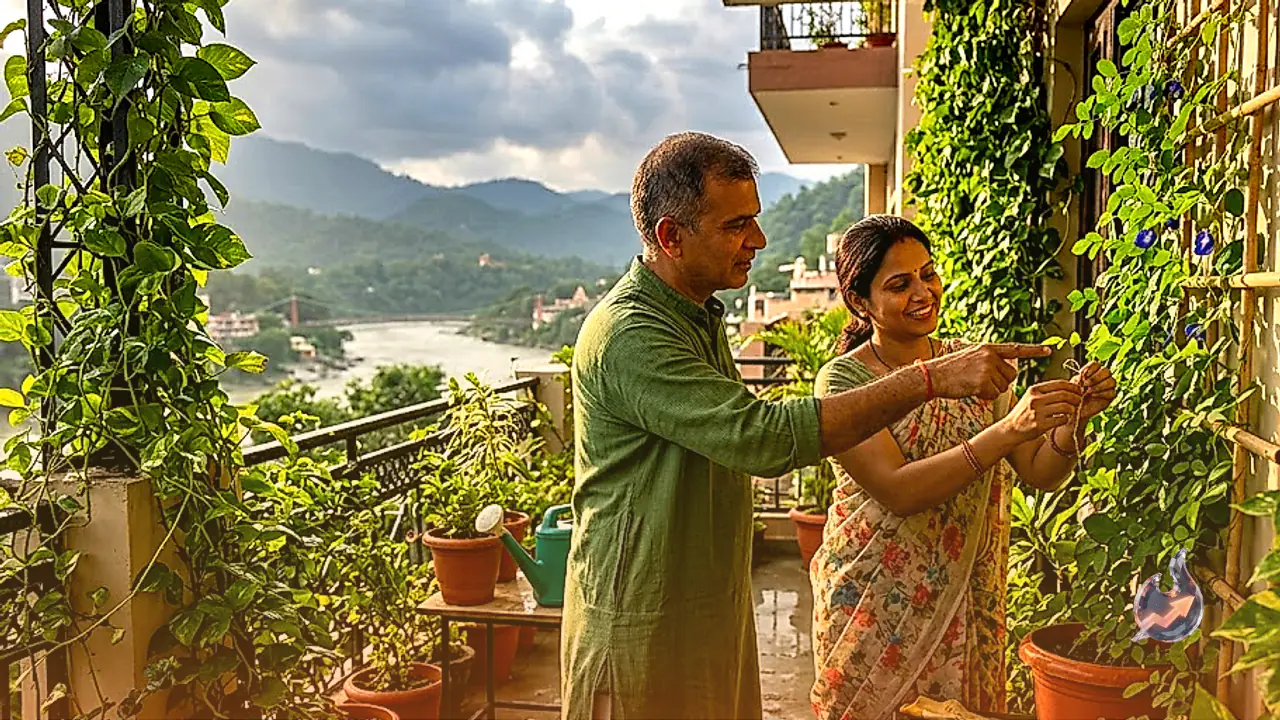
Beyond just aesthetic enhancement, these plants offer practical climate-control benefits. Ram Sagar, a gardener based in Rishikesh, points out that climbing plants do much more than simply increase the beauty of a house; they actively work to keep the surrounding environment cool and fresh. If a specific wall of your house receives harsh direct sunlight and remains uncomfortably hot, allowing a vine to climb over it can act as a natural shield, reducing the heat impact to a great extent. When planted on a balcony, these vines function like natural, living curtains. They not only provide a unique, beautiful look but also offer a soothing green sight for the eyes during the morning and evening hours, making the entire home feel significantly fresher.
Five Ideal Climbing Plants for Your Home
When it comes to choosing the right plant, there are several excellent options depending on your space and preferences. The Money Plant remains the most accessible and low-maintenance choice for beginners. It is characterized by its rapid growth rate and its ability to spread out beautifully even in constrained spaces. For those who appreciate vibrant colors and pleasant aromas, Madhumalti is a highly favored option, producing an abundance of colorful, fragrant flowers. Another striking choice is Aprajita; its distinct blue and white flowers can instantly elevate the visual charm of any home exterior.
If water conservation is a priority, Bougainvillea stands out as a robust plant that grows exceptionally well even with minimal watering, while its bright, radiant flowers naturally draw attention from a distance. Finally, for individuals who prioritize floral scents, the Chameli (Jasmine) vine is an absolute must-plant. The powerful and sweet fragrance of its blossoms has the unique ability to fill the entire house with a refreshing aroma.
Sunlight, Soil, and Proper Drainage
Successful gardening requires proper placement and soil preparation. Gardener Ram Sagar emphasizes that selecting the correct location is a crucial first step before planting any vine. It is essential to choose a spot where the plants will receive a minimum of four to six hours of direct sunlight every day. If you are planting the vine in a pot rather than directly in the ground, utilizing a container with excellent drainage is mandatory. This ensures that any excess water can easily flow out, preventing the roots from rotting due to waterlogging. To provide the necessary nutrition for optimal growth, mixing cow dung manure or high-quality compost into the soil is highly recommended. In the initial days immediately after planting, the soil should be kept lightly moist, but one must be careful to avoid overwatering the young plant.
Providing Support and Pruning for Density
To ensure the vines grow in a visually pleasing manner, providing proper structural guidance is essential. According to Ram Sagar, climbing plants require strong and reliable support to maintain their intended direction. Gardeners can utilize various materials such as an iron mesh, a wooden frame, sturdy wires, or a dedicated trellis. As the plant naturally extends its reach, its growing branches should be gently and gradually tied to this support structure. This technique ensures that the vine spreads exactly in the desired direction, resulting in a much more attractive display. Furthermore, regular maintenance is key to a lush appearance. By periodically performing light pruning to remove dry, damaged, or dead twigs, you encourage the plant to sprout new branches, ultimately resulting in a much thicker, denser, and healthier vine.