
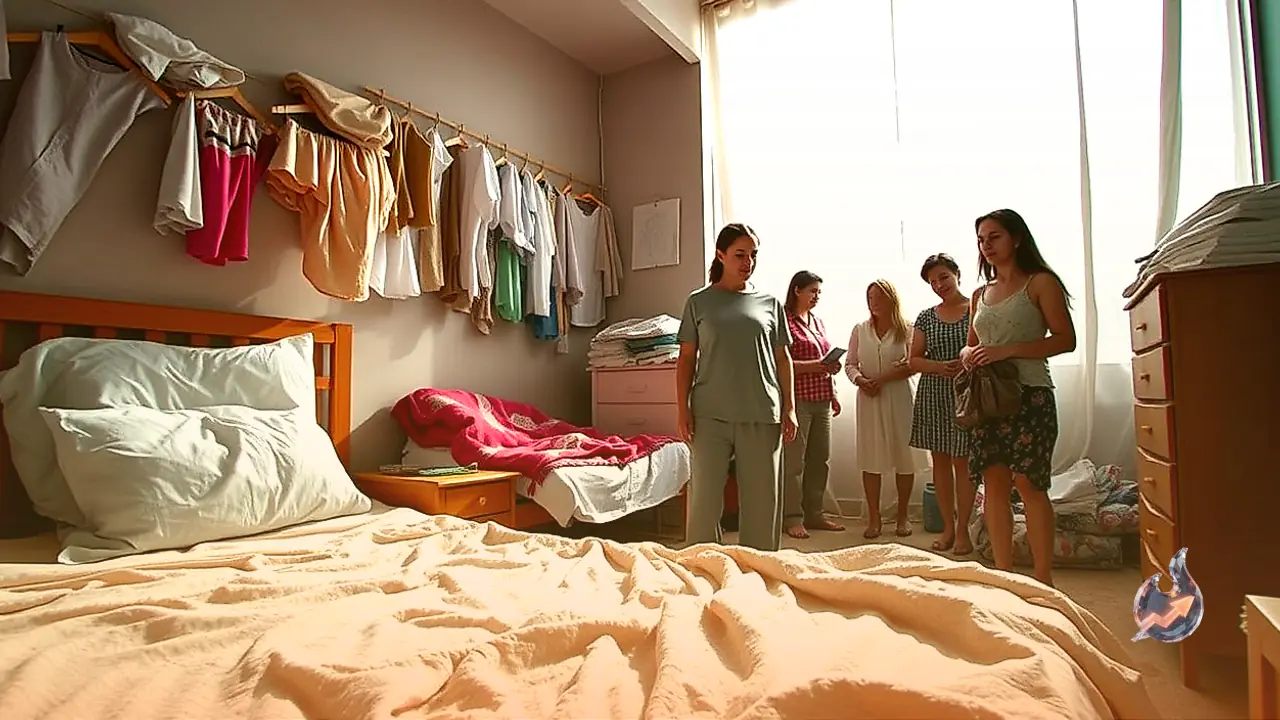



















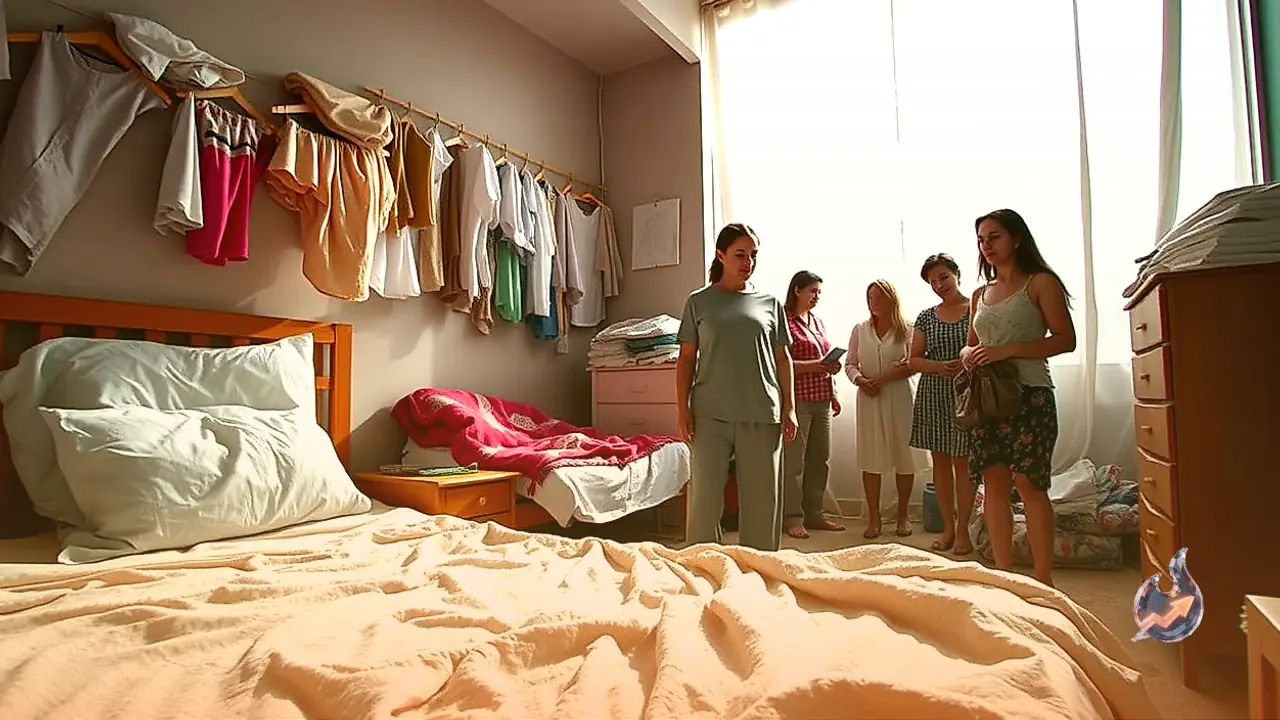

Household bedsheets and towels inevitably face wear and tear over time, often ending up discarded as worthless once they become faded or worn out. However, these older textiles hold significant utility for a variety of domestic chores rather than going straight to the trash. From routine surface cleaning to safeguarding delicate plants and covering stored belongings, repurposing old linens offers an efficient way to manage household tasks.
Implementing these ideas requires zero financial investment beyond a simple preliminary check of the fabric's condition, followed by thorough washing and drying. Exploring how these forgotten items can be brought back into service reveals numerous practical applications that make daily life simpler and more economical.
Creating Effective Cleaning Cloths for the Home
Old bedsheets and towels make exceptional cleaning supplies for everyday household maintenance. Cutting up bedsheets into smaller pieces provides handy cloths for wiping dust off furniture, windows, doors, and various hard surfaces. Meanwhile, worn towels excel at absorbing liquid spills around the kitchen or drying tiled floors in the bathroom. Utilizing these repurposed textiles significantly reduces the frequency of purchasing dedicated cleaning rags from the market.
Protecting Stored Belongings from Dust Accumulation
Household items like spare furniture, suitcases, or seasonal gear can easily collect grime if left exposed, making old bedsheets ideal dust covers. Chairs and tables that see infrequent use can be draped with clean linens to keep them pristine until needed. Items kept tucked away in a storeroom similarly benefit from being covered with these fabrics. Care must be taken to ensure the material remains completely clean and dry to prevent musty odors or mold growth caused by trapped moisture.
Shielding Plants from Harsh Winter Frost
During chilly winter months, delicate vegetation can suffer from cold drafts, making old bedsheets useful improvised plant covers. When temperatures plummet overnight, gently draping a bedsheet over vulnerable garden plants provides an extra layer of warmth. Gardeners should ensure the fabric is not tied down too tightly to avoid crushing leaves or stems. Once morning brings normal weather conditions, the sheet should be removed promptly to allow plants adequate sunlight and ventilation, though severe frost might demand specialized protective measures.
Providing Comfort and Care for Pets
Households with dogs or cats can utilize old towels and sheets to create cozy resting spots for their furry companions. Laying a soft, worn towel in their preferred sleeping area offers a comfortable cushioning alternative to bare flooring. Additionally, these towels work wonderfully for drying off pets after a bath. It is important to select clean fabrics free of dangling loose threads and to wash the pet bedding regularly to maintain hygiene.
Managing Kitchen Cleanup Tasks Efficiently
Worn cotton towels find a natural second life in the kitchen for various sanitation and drying duties. They can wipe down countertops, soak up water pooled around the sink, or serve as a protective mat placed underneath washed dishes. Kitchen cleaning cloths must be kept strictly sanitary; any fabric carrying oil stains, lingering dirt, or unpleasant odors requires thorough laundering before use. Items that come into contact with raw meat or other potentially contaminated foodstuffs should never be reused without rigorous sanitization.
Assisting with Packing and House Moving
When relocating to a new home or transporting items across town, old bedsheets and towels serve as excellent protective wrapping materials. Placing layers of fabric between fragile objects prevents them from directly colliding and sustaining damage during transit. Small decorative items and dishware also benefit from cushioning layers of cloth. However, extremely delicate or high-value possessions require specialized packing supplies rather than relying solely on household linens for protection.