























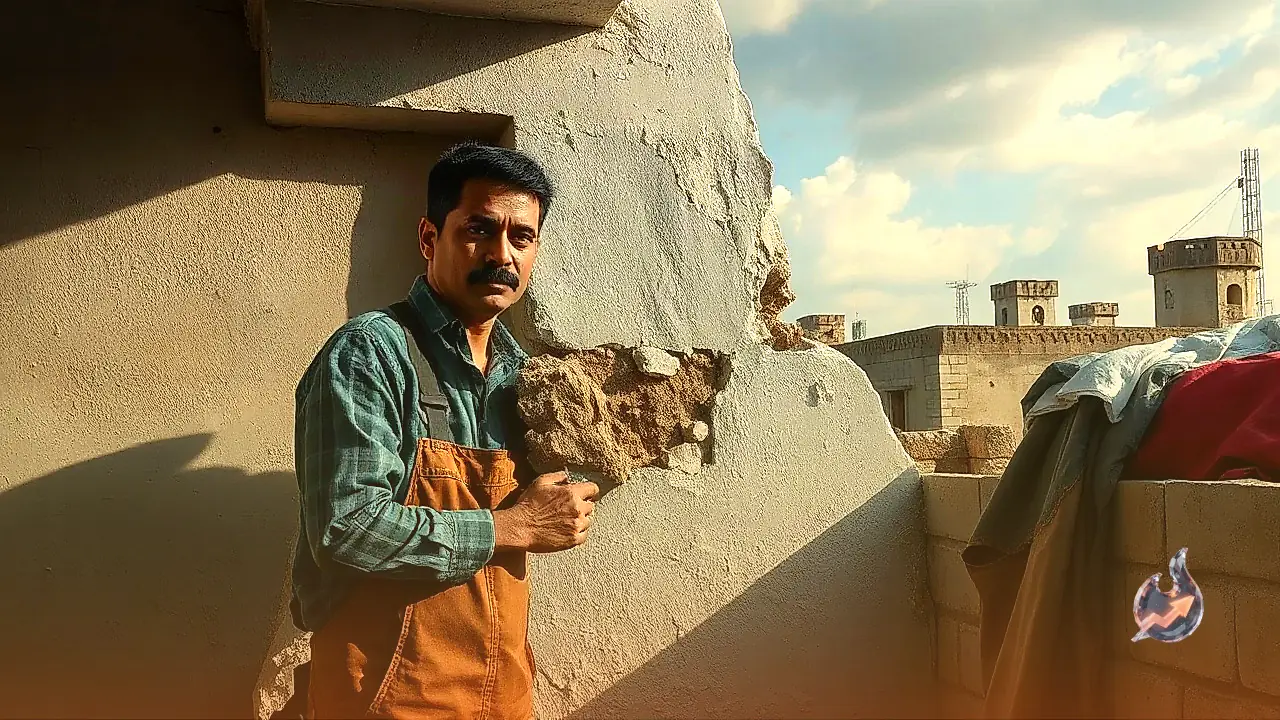

Constructing a dream home involves meticulous planning, yet people frequently overlook minor technical details that trigger major headaches later. While building a sturdy structure is a priority, ignoring critical steps during wall plastering causes the surface to peel and crumble prematurely. Such defects not only ruin the aesthetic appeal of a newly built house but also waste hard-earned money spent on materials and labor. Overlooking these foundational processes leaves walls structurally vulnerable over time.
Why Wall Plaster Begins to Crack and Peel
Baiju Kumar, a mason and contractor residing in the Ghosi block of Jehanabad, brings around 10 years of hands-on field experience to residential construction. He firmly believes that a home's true elegance and durability rely heavily on precision during the building phase. Without proper execution, a building neither looks appealing nor stands the test of time, making it essential to monitor every stage from foundation to final paint. Property owners often invest in high-grade cement, yet notice the plaster turning powdery and falling apart within months.
The Real Cause Behind Crumbling Mortar Surfaces
According to Baiju, the issue of plaster turning crumbly and detaching from walls is a common grievance in residential buildings. This trouble usually stems from a lack of adequate water curing or dampening of the walls right before plastering takes place. When workers apply cement mortar onto dry bricks without saturating them first, the dry surface abruptly sucks out the moisture needed for the cement to bind properly. Consequently, the mortar dries out too quickly, loses its adhesive strength, and begins to shed chunks as it ages, resulting in expensive repair work for the owner.
Simple Methods to Secure Your Wall Plaster
To prevent this widespread issue, Baiju advises property owners to strictly monitor wall hydration while plastering work is underway. Whenever plastering is scheduled, ensure the masonry is thoroughly soaked with water to provide optimal moisture levels. Well-hydrated walls allow the cement mix to bond securely, preventing the mixture from detaching or developing cracks as it cures. Implementing this straightforward practice eliminates the risk of falling mortar and significantly reduces future dampness and seepage problems in the rooms.
Safeguarding Your Investment Through Vigilance
Having worked as a construction contractor around the Ghosi block and neighboring regions for the past decade, Baiju now handles larger commercial and residential plots. He emphasizes that precautions taken during the construction phase act as the ultimate safeguard for future peace of mind. Since individuals invest their lifelong savings into building a home, paying attention to these details ensures that every penny is utilized effectively, resulting in a safe and durable dwelling.