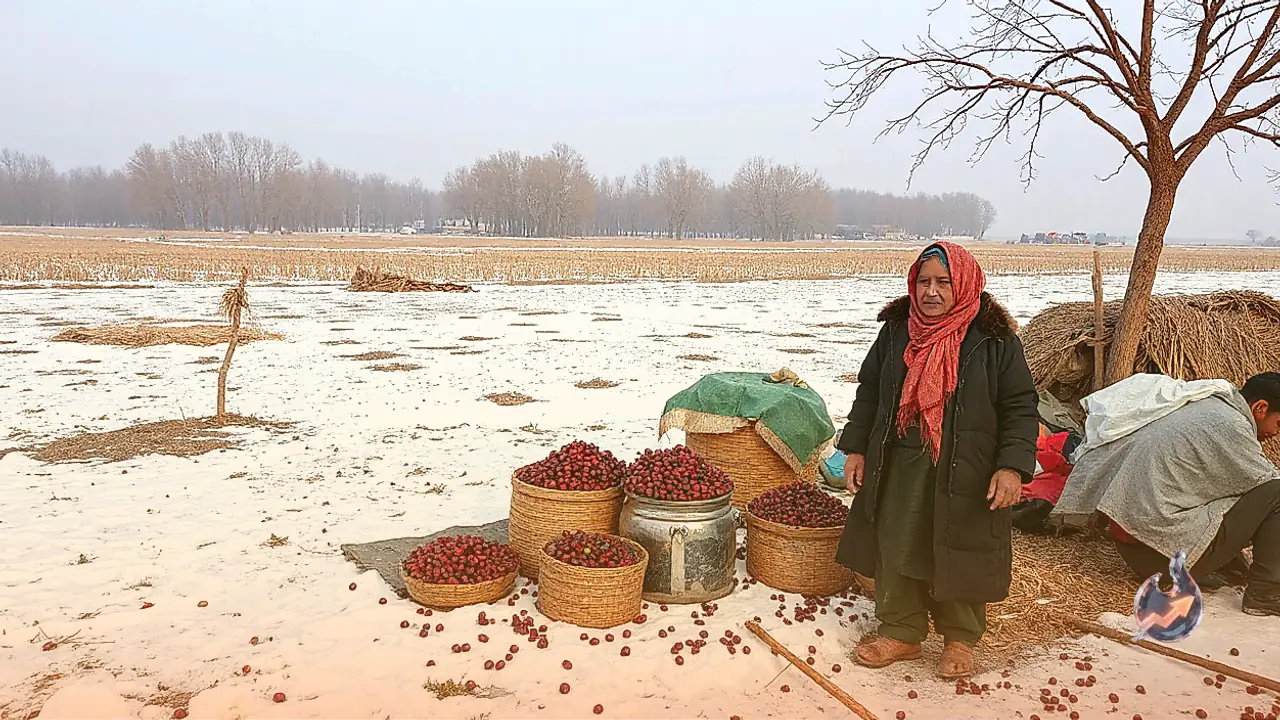






















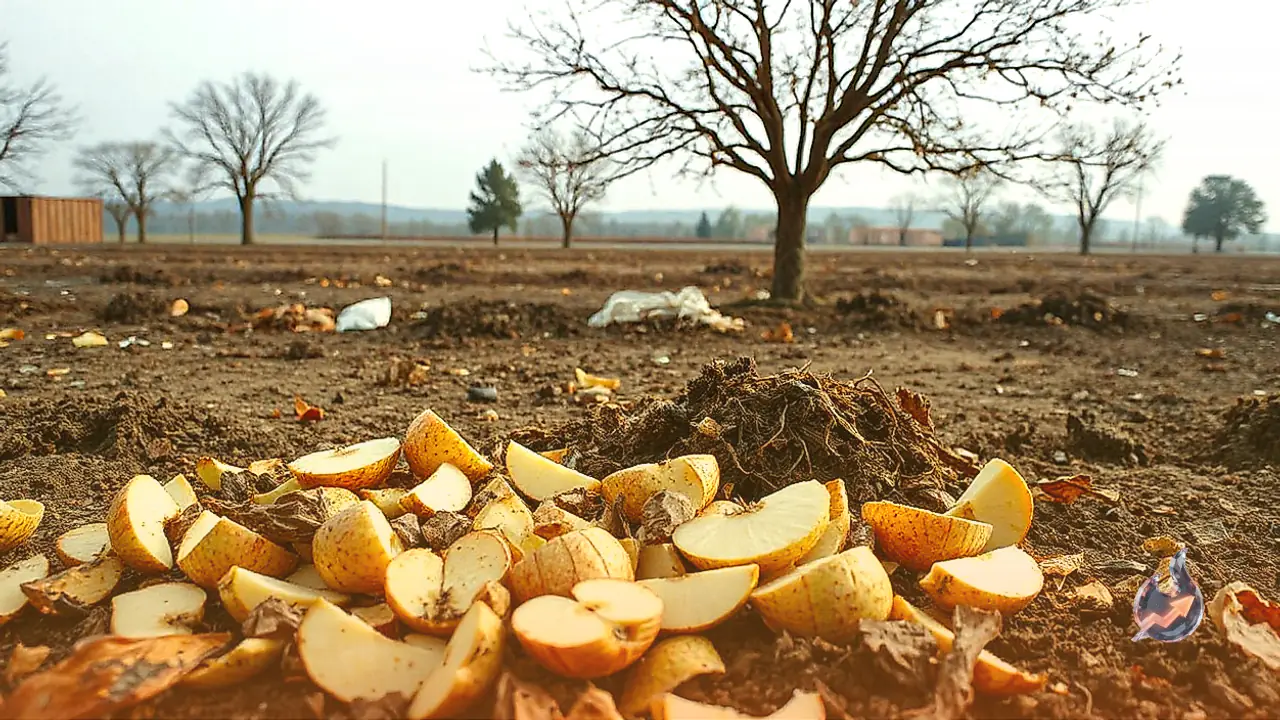

With the arrival of winter, market arrivals of custard apple, widely known across India as sharifa, pick up significantly, especially in the weeks leading up to Diwali. People eagerly purchase the seasonal fruit for its rich, sweet flavor and notable health benefits. However, after consuming the soft pulp inside, the thick outer peels are almost universally discarded into household trash bins as useless waste. In reality, these kitchen leftovers represent a valuable source of organic matter that can enrich home gardens and potted plants when processed correctly instead of being thrown away.
How to Process Peels for Regular Compost
Making standard compost at home is one of the simplest ways to put custard apple skins to good use. To begin, cut the discarded rinds into small pieces rather than throwing them into the pit whole. Breaking them down into smaller fragments speeds up decomposition. Once chopped, mix them directly with other wet kitchen waste, such as vegetable trimmings, fruit rinds, and used tea leaves inside your compost container. Over time, the biological matter breaks down naturally and integrates into finished compost. This nutrient-rich mixture can then be applied across garden beds and container soils to boost healthy plant growth.
Why Fresh Peels Should Not Be Placed Directly in Pots
For gardeners growing plants in patio containers or balcony pots, custard apple waste can certainly enhance soil condition. However, raw peels should never be dumped straight into the container soil. Instead of applying fresh rinds directly onto potted plants, they should only be mixed in after going through a full composting cycle. Introducing fully matured organic compost increases the soil's organic matter content safely, ensuring plants gain all the soil-conditioning benefits without exposing root zones to untreated waste.
Using Custard Apple Skins in Vermicomposting Systems
Custard apple rinds can also be integrated into vermicomposting setups, where earthworms convert kitchen refuse into worm castings. For this method, chop the skins into fine pieces and blend them thoroughly with other organic waste materials. Maintaining strict control over volume is essential here. Add the peels only in limited, measured amounts so that the bin's moisture and decomposition levels remain comfortable for earthworms. Overloading the container could disrupt the worm colony's environment, whereas modest quantities allow earthworms to convert the material efficiently.
Sun-Drying Technique for Long-Term Storage
Households that consume custard apples regularly during peak season often find themselves with surplus peels every day. When immediate composting is not feasible, spreading the rinds under direct sunlight offers a practical solution. Allow them to dry out thoroughly until all moisture evaporates. Once brittle and dry, break or crush them into small pieces and store them for later use. Whenever you start a fresh batch of compost, you can incorporate these dried pieces into the mixture, ensuring zero waste from the kitchen without attracting fruit flies indoors.
Environmental Advantages and Critical Precautions to Observe
Diverting custard apple skins away from garbage bins and into compost heaps substantially lowers the volume of household kitchen waste sent out each week. It produces high-quality organic matter without requiring expensive additives or specialized gardening products. Nevertheless, improper application carries distinct risks. Piling raw peels around the base of plants or root systems in large quantities can create foul odors and attract harmful pests and insects. Gardeners must always separate damaged or moldy trimmings, adhere to proper composting cycles, and apply the mixture only after it has fully cured into dark, earthy compost.