




















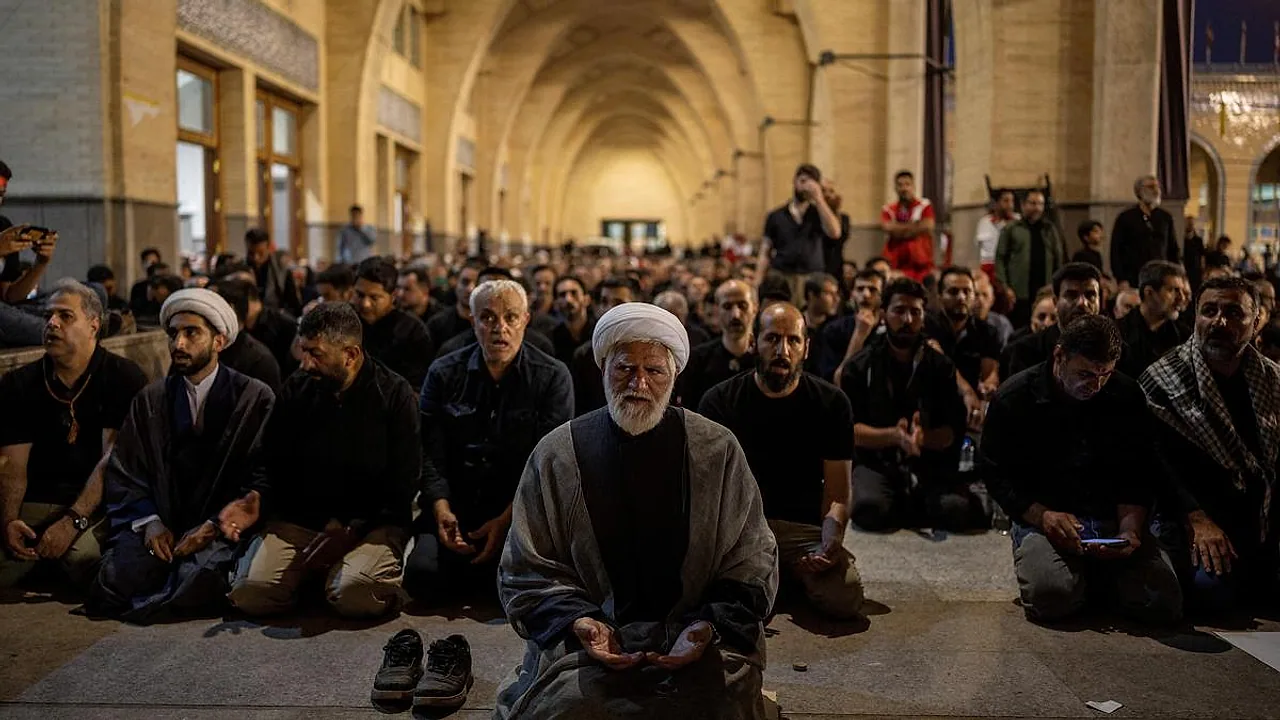

The second day of the funeral services for Iran's deceased supreme leader, Ayatollah Ali Khamenei, unfolded against a backdrop of intense regional posturing and critical diplomatic maneuvers. On Sunday, preparations were finalized for prayers over his coffin, following a massive outpouring of grief on the first day in Tehran, where monumental crowds gathered to pay their respects. The late leader's body, currently resting with official state honors at the Grand Mosalla complex, is scheduled to be moved from the facility by Sunday evening, setting the stage for a major funeral procession through the capital city on Monday. Iranian authorities declared Sunday a national holiday across the country as citizens participated in the multi-day mourning rituals.
Succession Uncertainty and Leadership Transitions
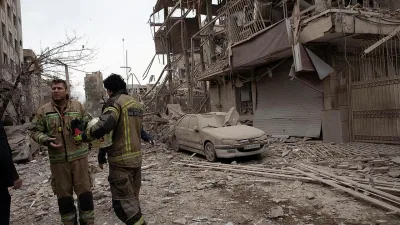
A crucial question hovering over the ceremonies is the identity of the individual who will lead the upcoming prayers, as Iranian officials have not yet confirmed whether a high-ranking cleric or a member of the immediate family will take the helm. Khamenei had been at the helm of Iran's leadership since 1989 and passed away at the age of 86 on February 28, losing his life in an airstrike on the very first day of the West Asia conflict. His son and newly designated successor, Mojtaba Khamenei, has remained entirely out of the public eye since his appointment. Analysts speculate that this prolonged absence may be due to injuries he sustained during the same military strike that claimed his father's life.
The Strait of Hormuz Tariff Dispute
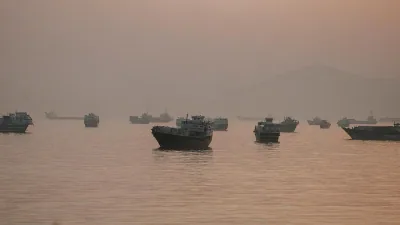
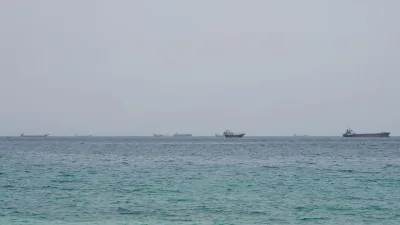
Simultaneously, the geopolitical friction has extended to the global economic arena, specifically regarding the strategically vital Strait of Hormuz. Speaking at the World Peace Forum in Beijing, Iran's ambassador to China, Abdolreza Rahmani Fazli, asserted that Tehran intends to levy service charges on commercial vessels navigating the strait. While Washington has preemptively dismissed the validity of such tariffs, the Iranian envoy argued that because the strait falls within Iran's territorial waters, the implementation of a service fee is a justified exercise of sovereignty. He clarified that the charge would not function as a standard toll, adding that nations allied with Tehran would receive preferential terms and special concessions.
The Fragile Ceasefire and Oman's Mediation Role
This shipping fee proposal directly challenges the temporary shipping arrangements established under the preliminary US-Iran ceasefire agreement. That temporary truce permitted commercial vessels to navigate the strait free of charge for a duration of 60 days, leaving the post-ceasefire maritime protocol highly ambiguous. To resolve this looming trade bottleneck, Iran is actively collaborating with Oman to devise new maritime guidelines for the critical waterway, presenting the initiative as a cooperative regional framework. The long-term implications of these shipping negotiations remain a point of high concern for international supply chains.
Power Dynamics and Diplomatic Friction Between Trump and Netanyahu
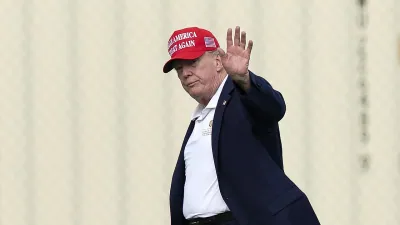
In Washington, further diplomatic waves were made when US President Donald Trump indicated during an interview that Israeli Prime Minister Benjamin Netanyahu could visit the White House as early as next week. Trump openly remarked on the power dynamic between the two leaders, suggesting that Netanyahu fully understands the hierarchy of their relationship and knows who holds the ultimate authority. This commentary comes amid persistent accounts of friction between Washington and Jerusalem, particularly regarding strategies to conclude the military offensive against Iran that both nations jointly initiated in late February.
Public Mourning and Escalating Rhetoric at the Prayer Grounds
Social media broadcasts from within Iran have shown massive congregations of mourners gathered at the Imam Khomeini prayer ground, reflecting the scale of domestic grief during this period of temporary de-escalation between Iran, Israel, and the US. As global observers monitor which foreign dignitaries are attending the services, the volatile nature of the conflict was highlighted when a performing artist took the stage at the funeral and openly called for the execution of Donald Trump, underscoring the deep-seated anger directing Iranian public sentiment.
India's Energy Security and Domestic Oil Exploration Push
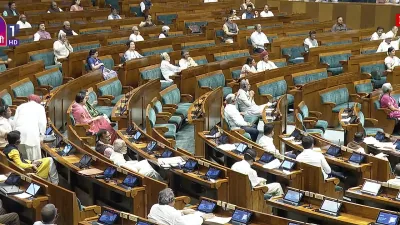
The geopolitical instability in West Asia has delivered a severe energy supply shock to India, prompting the South Asian nation to rapidly accelerate its domestic hydrocarbon exploration. According to Hardeep Singh Puri, India's Minister of Petroleum and Natural Gas, the supply disruptions experienced during the military standoff between the US and Iran highlighted India's vulnerability. As the world's third-largest crude importer and second-largest buyer of liquefied petroleum gas, India suffered significant logistical hurdles when access to the Strait of Hormuz was restricted. In response, the government has launched an aggressive exploration initiative, opening up bidding processes for approximately 250,000 square kilometers (96,500 square miles) of previously unexplored territory to bolster domestic oil production.