Live: Trump sees high probability of breakthrough in Iran discussions amid ceasefireLive

28 Jul 2026, 8:11 am (45 days ago)· 2

Live: Trump sees high probability of breakthrough in Iran discussions amid ceasefire

Tensions remain high across West Asia as diplomatic engagements pick up, despite earlier denials from Tehran regarding direct negotiations with Washington. Meanwhile, U.S. President Donald Trump is set to meet key foreign leaders as regional security and economic pressures mount.

Global energy markets experienced a visible respite as crude oil prices pulled back following the decision by the United States to pause its military strikes against Iran. Brent crude and WTI benchmarks dropped by up to 1 percent as traders evaluated the potential for a diplomatic resolution to Middle Eastern geopolitical friction and the subsequent normalization of international fuel supply routes.

Crude Oil Benchmarks Suffer Losses

In early financial trading, Brent crude futures declined by $0.54 or 0.6 percent to reach $87.82 per barrel by 0046 GMT. Concurrently, US West Texas Intermediate crude dropped $0.66 or 0.8 percent to trade at $81.95 per barrel. Both international benchmark contracts had touched their lowest price points in over a week during early session moves, slumping 1 percent as investors factored in reduced immediate risk to Middle East crude logistics.

Also read

Rome Selected to Host Israel-Lebanon Peace Talks

Diplomatic channels between Israel and Lebanon showed signs of movement, with the US State Department confirming that the next round of negotiations will be hosted in Rome from August 4 to August 6. The upcoming conference coincides with preparations by the Israeli military to pull back forces from two designated pilot zones in southern Lebanon. Italian Foreign Minister Antonio Tajani had previously announced the US-mediated initiative.

Official representatives indicated that technical working groups in Rome will focus on the full execution of the signed framework agreement. Key items on the agenda include broadening the pilot zone protocol, resolving outstanding border demarcations, and drafting a sustainable long-term security framework for the region.

Iran Maintains Control Over Strait of Hormuz and Rejects US Dialogue

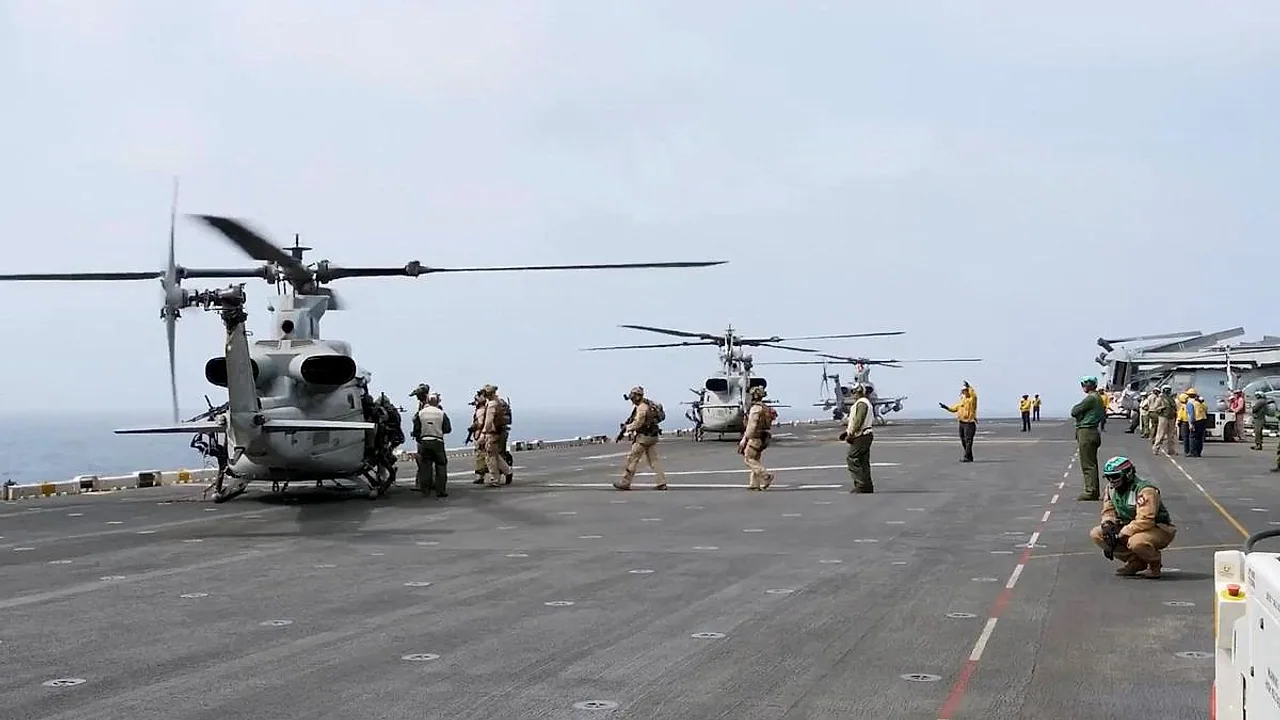
In statements issued on July 27, 2026, Iranian authorities reaffirmed complete operational authority over the Strait of Hormuz. Tehran explicitly dismissed the possibility of restarting diplomatic talks with Washington, despite US President Donald Trump halting a two-week aerial bombardment campaign on the advice of military officials. Iranian leadership maintained its unyielding stance regarding maritime transit through the strategic waterway.

Iran has held firm control over the Strait of Hormuz since broader hostilities commenced on February 28. Because a significant volume of global maritime crude passes through this narrow passage, ongoing military posturing continues to carry substantial implications for worldwide energy logistics.

Tehran Engages Riyadh and Muscat on Maritime Security

Iranian Foreign Minister Abbas Araghchi conducted separate telephone consultations on July 28 with Omani Foreign Minister Badr al-Busaidi and Saudi Foreign Minister Faisal bin Farhan. The discussions addressed freedom of navigation through the Strait of Hormuz, regional security challenges, and diplomatic steps to reduce tensions arising from recent US military involvement in West Asia.

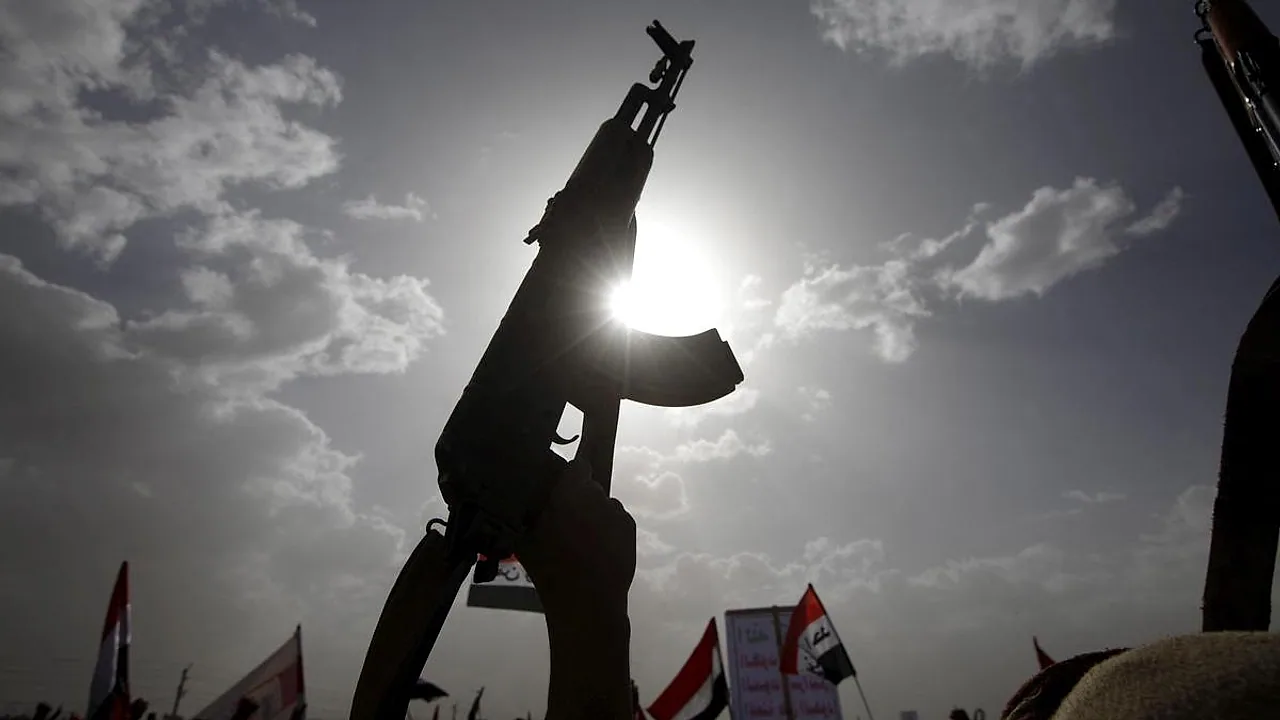
These high-level discussions followed an incident in which Saudi Arabian defense systems intercepted and destroyed an armed drone launched toward Saudi territory by Iranian-aligned groups operating out of Iraq. Regional diplomats emphasized joint coordination to stabilize maritime transport channels.

Washington Summit Brings Donald Trump, Benjamin Netanyahu, and Volodymyr Zelenskyy Together

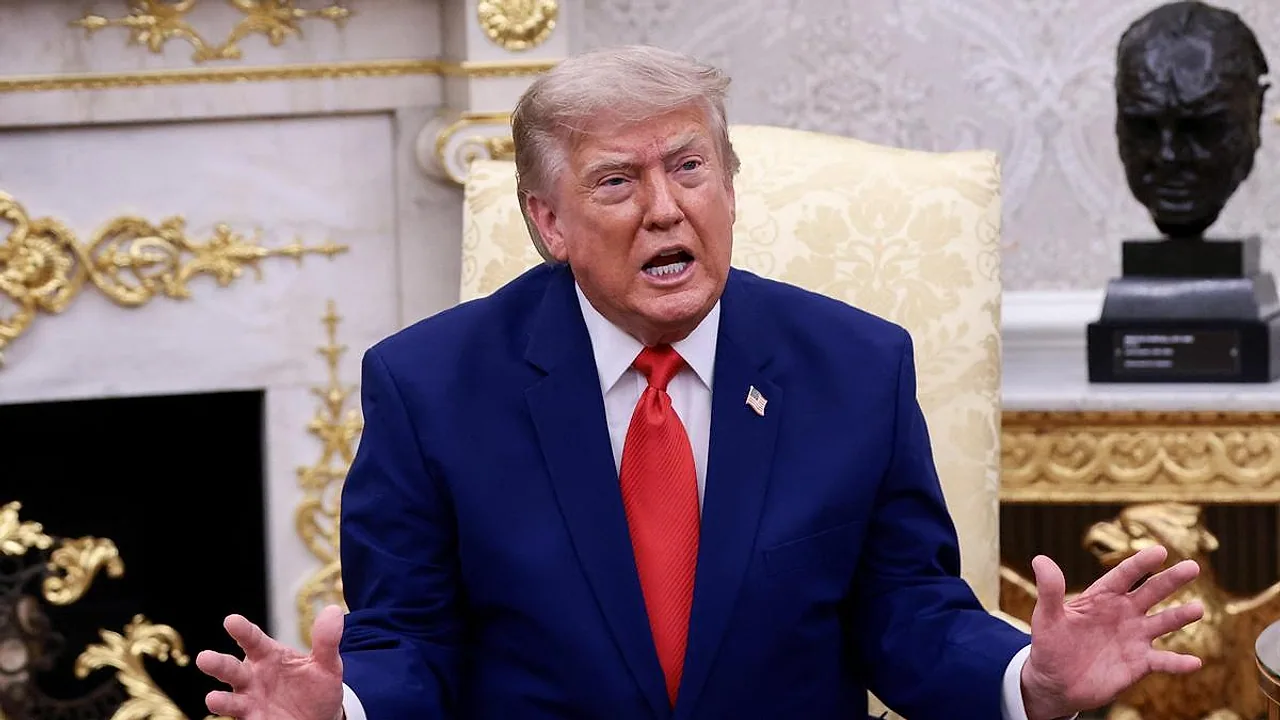
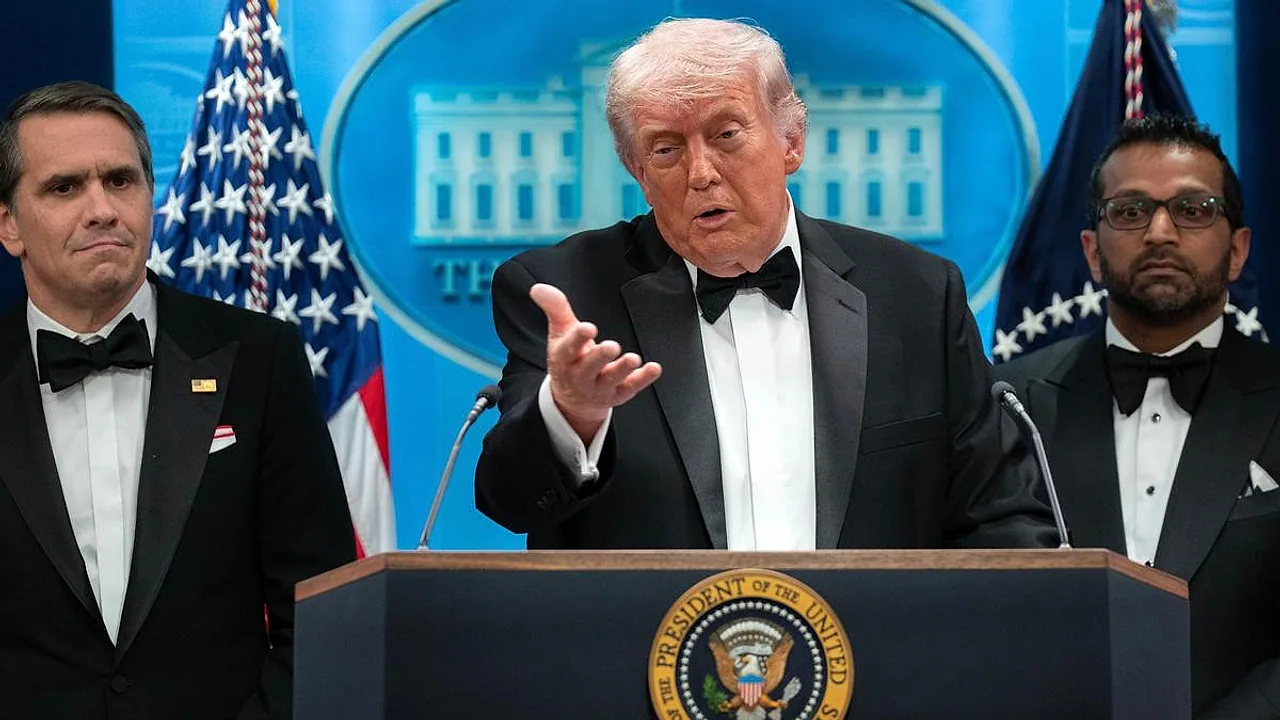
High-stakes political meetings are taking place in Washington, with US President Donald Trump hosting Israeli Prime Minister Benjamin Netanyahu and Ukrainian President Volodymyr Zelenskyy on Tuesday. This meeting represents the first face-to-face dialogue between Donald Trump and Benjamin Netanyahu since the escalation of joint military actions against Iran. Both leaders face considerable domestic pressures, with Netanyahu preparing for upcoming elections and Trump managing domestic inflation concerns ahead of November midterm elections.

Discussions between Trump and Netanyahu are expected to cover the framework agreement regarding Lebanon and potential expansions of the Abraham Accords. Meanwhile, relations between Donald Trump and Volodymyr Zelenskyy have seen renewed warmth following Ukrainian success in containing Russian military advances. However, friction persists between Washington and Israeli leadership over the absence of a comprehensive long-term strategy for Iran.

Judicial Executions in Iran and Air Defense Activity in Israel

Iranian judicial sources confirmed that two individuals, identified as Abolfazl Sipahi Badjani and Amirhossein Safari Hosseinabadi, were executed on Tuesday. Both men had been convicted of involvement in the deaths of security personnel during nationwide public demonstrations in January.

In regional defense developments, the Israeli military reported that its air force intercepted an unmanned aerial vehicle (UAV) near the border with Jordan on July 28. Defense forces confirmed that the drone was neutralized before entering Israeli airspace, with an investigation underway to determine its launching origin. Separately, air raid alerts triggered near Kissufim close to the Gaza Strip were subsequently determined to be a false alarm caused by system misidentification.

ENDED

Closed

  1. Iranian foreign minister holds talks on Hormuz Strait with counterparts in Saudi Arabia and Oman

    Iran's Foreign Minister Abbas Araghchi conducted distinct telephone conversations focusing on the Strait of Hormuz with his counterpart from Oman, Badr Al-Busaidi, and Saudi Arabia's Foreign Minister Faisal bin Farhan, according to state television on Tuesday (July 28). The state media outlet reported that during these exchanges, "the officials emphasized the imperative to deepen collaboration and push forward combined diplomatic initiatives aimed at restoring regional stability and removing the maritime insecurity brought upon the Strait of Hormuz by aggressive actions from the United States." Tehran has retained authority over this strategic channel since the outbreak of the West Asia military conflict on February 28, which has caused significant disruptions to maritime trade through this key waterway.
  2. Trump set to meet Netanyahu and Zelenskiy as conflicts in Ukraine and Iran hit pivotal moments

    On Tuesday, American President Donald Trump is scheduled to receive Israeli Prime Minister Benjamin Netanyahu and President Volodymyr Zelenskiy of Ukraine, at a juncture when hostilities involving Iran and Ukraine have reached delicate phases, while his personal dynamics with each leader vary substantially. Ties with Zelenskiy have seen noticeable improvement as Ukrainian forces have contained Russian offensives. Conversely, Netanyahu's visit comes against a backdrop of mounting exasperation within the White House regarding the absence of movement toward a comprehensive resolution in the Iranian dispute, alongside pushback from a segment of Trump's backing base that resists further American engagement in West Asian affairs.
  3. Netanyahu's initial face-to-face with Trump since onset of Iran war offers opportunity to ease friction

    The scheduled Tuesday session between Israeli Prime Minister Benjamin Netanyahu and President Donald Trump marks their initial in-person encounter following the start of their combined military campaign against Iran, presenting an opportunity for the Israeli leader to mend strained ties. This dialogue takes place as domestic challenges intensify for both figures. Netanyahu faces an upcoming election campaign while confronting political headwinds linked partly to his frayed rapport with Trump. Meanwhile, Trump is confronting political heat to wrap up a widely opposed conflict that has caused financial turbulence and spiked inflation ahead of the November congressional midterms. Additionally, both figures intend to talk through the broad framework pact negotiated between Washington, Jerusalem, and Lebanon concerning the Israel-Hezbollah fighting, alongside efforts to broaden the scope of the Abraham Accords, as shared by an unnamed White House staffer who spoke in advance of the discussions.
  4. Iranian foreign minister talks Strait of Hormuz safety in phone calls with counterparts from Saudi Arabia and Oman

    Iran's Foreign Minister held individual phone discussions regarding the safety of the Strait of Hormuz with his counterparts from Saudi Arabia and Oman on Monday night, based on a release shared on his Telegram feed on Tuesday. As per the release, Abbas Araqchi "reviewed recent bilateral and regional updates, underscoring the importance of bolstering collaboration and furthering coordinated diplomatic initiatives to ensure stability across the region." This conversation between Araqchi and Saudi Foreign Minister Faisal bin Farhan followed statements from Saudi Arabia confirming it had intercepted unmanned aerial vehicles aimed at the territory by Iraqi groups linked to Iran.
  5. Israeli forces destroy unmanned aircraft close to Jordanian boundary

    On Tuesday (July 28), defense forces in Israel announced that their air force neutralized a drone close to the border with Jordan. Defense officials added that investigations are currently underway to determine where the craft was launched from. According to the military statement, the drone failed to breach Israeli airspace prior to its interception, and authorities are working to pinpoint its point of origin. Since hostility flared up again between Iran and the United States earlier this month, Jordan has faced recurring threats. Israel, however, has stayed out of direct participation in this current conflict. In a separate incident early Tuesday, warning sirens were triggered in Kissufim, situated adjacent to the Gaza Strip. The armed forces later confirmed that the alarm was caused by an erroneous threat detection.
  6. Two individuals executed in Iran in connection with January demonstrations

    Iranian authorities have carried out the execution of two men accused of involvement in nationwide demonstrations held in January, according to a Tuesday report by the judiciary-linked Mizan News Agency. The report named the executed men as Abolfazl Sepahi Badjani and Amirhossein Safari Hosseinabadi, stating they were convicted for participating in the murder of security personnel.
  7. Iran reasserts dominance over Strait of Hormuz, denies active peace talks with US

    Iranian officials asserted on Monday (July 27, 2026) that the strategic Strait of Hormuz remains under their firm control, while dismissing any intentions to re-engage in peace discussions with Washington. This response comes after US President Donald Trump suspended a fortnight-long bombardment effort upon receiving advice from military commanders that the operation had met its objectives. Tehran continues to exercise its authority across the Strait of Hormuz, turning down Washington's diplomatic overtures following the cessation of US airstrikes.
  8. Next phase of Israel-Lebanon discussions scheduled for August 4: American representative

    An official from the U.S. State Department verified on Monday that upcoming negotiations between Lebanon and Israel are set for August 4 to 6 in Rome, aligning with Israeli plans to pull back from a pair of "pilot zones" located in southern Lebanon. The initial announcement regarding this upcoming round of talks mediated by Washington was made last week by Antonio Tajani, the Foreign Minister of Italy. Subsequently, an American State Department representative provided additional details to AFP anonymously. The representative informed AFP that technical teams in Rome will concentrate on moving forward with the complete execution of the framework deal, noting that the agenda "includes expanding the pilot zone process, resolving all outstanding border issues, and working on a comprehensive peace and security agreement."
  9. Crude oil drops 1% as markets assess halt in American attacks on Iran

    Crude oil benchmarks declined by 1% as investors evaluated the suspension of U.S. military strikes against Iran, a move that has fueled optimism for a diplomatic breakthrough in the ongoing dispute and the restoration of regular Middle Eastern energy supply routes. By 0046 GMT, Brent crude futures slid $0.54, representing a 0.6% drop, to reach $87.82 per barrel. Meanwhile, U.S. West Texas Intermediate crude stood at $81.95 a barrel, experiencing a reduction of $0.66 or 0.8%. Earlier during the trading session, both benchmarks had dropped by 1%, hitting their lowest valuations in over a week.

Questions & Answers

How did oil prices react to the pause in US military strikes on Iran?
Global crude oil prices declined by up to 1 percent, with Brent crude dropping to $87.82 per barrel and WTI falling to $81.95 per barrel.
When and where are the Israel-Lebanon negotiations scheduled?
The next round of talks between Israel and Lebanon is set to take place in Rome, Italy, from August 4 to August 6.
What is Iran's current stance regarding the Strait of Hormuz?
Iran reaffirmed its full authority over the Strait of Hormuz and rejected resuming diplomatic talks with the United States.
Which international leaders is Donald Trump meeting in Washington?
US President Donald Trump is hosting Israeli Prime Minister Benjamin Netanyahu and Ukrainian President Volodymyr Zelenskyy in Washington.

Comments 0

No comments yet — be the first.

Citizen journalism

Become a TrendKia journalist

Voice of the people

Share news, photos and videos from your area with TrendKia and let your voice reach the nation. Every citizen a journalist.

Join now
CH 01 LIVE
TrendKia TV ON AIR