




















Live: U.S.-Iran Ties on the Mend as Qatar Nuclear Talks Yield Positive ResultsLive
2 Jul 2026, 9:32 am (46 days ago)· 2

Live: U.S.-Iran Ties on the Mend as Qatar Nuclear Talks Yield Positive Results

Tensions are escalating in the Strait of Hormuz as Iran warns oil tankers to adhere to its designated routes or risk facing consequences from Tehran. Iran has also raised objections to American fighter jets patrolling the waterway, calling their presence a destabilising threat to the region. Separately, Syria's top diplomat has flown to Beirut and given Lebanese leaders assurances that Damascus harbours no plans for military involvement in their country.

Tensions are flaring again in the Middle East. Trouble is building around the Strait of Hormuz between Iran and the United States, even as Syria's foreign minister traveled to Beirut to reassure Lebanon's leadership.

Why the Strait of Hormuz Is Heating Up

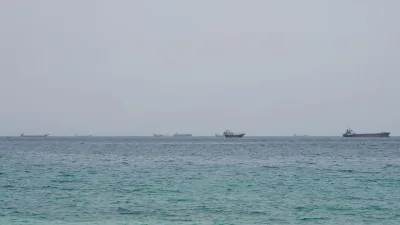
Iran has issued a clear warning that oil tankers passing through the Strait of Hormuz must stick to their designated shipping routes. Tehran has said that any tanker straying from these set paths could face action. The warning comes at a time when US fighter jets have maintained a continued presence over this critical waterway.

Also read

Tehran Calls US Jets a Threat

Iran has described the presence of American fighter jets over the strait as a direct threat to regional security. The remark signals that Tehran views the US military activity above Hormuz as a challenge to its own security, deepening tensions in the region.

Syria's Foreign Minister Visits Beirut

Meanwhile, Syria's foreign minister arrived in Beirut, where he met Lebanon's leadership and assured them that Damascus has no intention of any military interference in Lebanon. The reassurance comes as tension reports spread across the region, with neighbouring countries watching each other's intentions closely.

What It Means for the Region

The Strait of Hormuz is one of the busiest and most vital oil shipping routes in the world. The standoff over Iran's warning and the presence of US fighter jets could have a direct bearing on stability across the region. Syria's reassurance to Beirut, meanwhile, suggests regional powers are, for now, trying to avoid opening a new front.
ENDED

Closed

  1. Syrian FM visits Beirut, assures Lebanese leaders Damascus will not intervene militarily

    Syrian Foreign Minister Asaad al-Shaibani travelled to Beirut on Thursday (July 2, 2026) and held talks with Lebanese President Joseph Aoun, making clear that Damascus had no intention of sending forces into Lebanon even as the United States has been pushing for such action, the Lebanese presidency announced. Mr. Shaibani also extended a formal invitation for President Aoun to make a visit to Syria. During the same trip, he sat down with Parliament Speaker Nabih Berri — a Hezbollah ally — for the first time, marking a notable diplomatic contact. U.S. President Donald Trump has on numerous occasions contended that Syria should "take care of Hezbollah," and has been openly critical of Israel's conduct in its ongoing war against the Iran-backed militant organisation. Nevertheless, Syrian President Ahmed al-Sharaa — who came to power in December 2024 after guiding a rebel alliance that ousted long-entrenched ruler Bashar al-Assad — has made his position clear: Damascus will not wade into Lebanese territory or stir up old hostilities.
  2. Iran Readies Week-Long State Mourning for Its Slain Supreme Leader

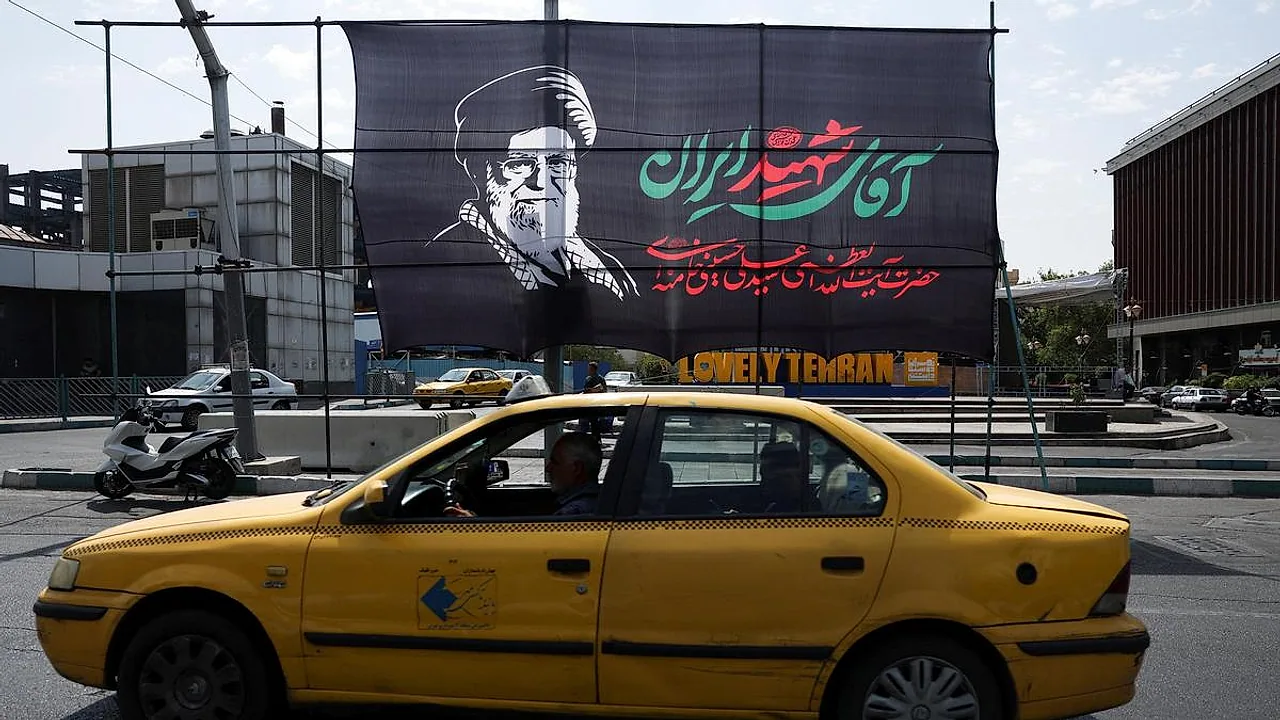
    Iran's leading clerics are putting together an elaborate multi-day schedule of state funeral rites for Ayatollah Ali Khamenei, presenting the occasion as a demonstration of the public's allegiance to the Islamic Republic and a sign that its revolutionary drive remains very much alive. The supreme leader was killed during the first coordinated military strikes of this war, carried out jointly by the U.S. and Israel. Funeral proceedings are slated to open this weekend in Tehran, with major public processions to follow next week in Qom and Mashhad, and commemorative ceremonies also planned across Iraq. "The sheer size of the crowds who turn out for the funeral march of the martyred leader and the fellow martyrs will, in practical terms, serve as yet another referendum in favour of the Islamic Republic," Ayatollah Mohammad Saidi, Qom's Friday prayer leader, declared to state-run media. — Reuters
  3. Lebanon's President vows not to yield a single inch of national soil to Israel

    Lebanese President Joseph Aoun stepped forward on Thursday (July 2, 2026) to defend his government's continuing dialogue with Israel, making clear that the negotiations amounted to no act of betrayal and that not a single inch of Lebanese land would ever be handed over, according to a statement from the presidency. The previous day, on Wednesday (July 1, 2026), Israeli Defence Minister Israel Katz had announced that Israeli troops would remain in place indefinitely in what his government designates as 'security zones' — spread across Lebanon, the Gaza Strip and Syria — until further orders were given. — AFP
  4. Pakistan PM Shehbaz Sharif to fly to Iran for Khamenei's funeral

    Pakistan's Foreign Ministry has confirmed that Prime Minister Shehbaz Sharif will make his way to Iran this week to attend the funeral of late supreme leader Ali Khamenei. Ministry spokesperson Tahir Andrabi told reporters that the prime minister's schedule includes trips to both Iran and Turkey between July 3 and 5, adding that Iran will be his first stop, where he will take part in the supreme leader's funeral. (AFP)
  5. Iran puts oil tankers on notice: stick to designated Hormuz routes or face forceful action

    Iran's unified military command has put out a directive making it mandatory for all oil tankers transiting the Strait of Hormuz to follow routes that Iran has designated. The command made clear that any vessel choosing to disregard this order will encounter a 'forceful response.' (AP)
  6. Iran's chief negotiator urges mass funeral attendance as an act of vengeance for Khamenei's death

    Mohammad Bagher Ghalibaf, Iran's lead negotiator, has called on his fellow citizens to turn out in overwhelming numbers for Ali Khamenei's funeral, framing such a showing as retribution for the supreme leader's death in joint U.S.-Israeli strikes that marked the beginning of the war. Addressing the Iranian public in a formal statement, Ghalibaf urged everyone to attend the funeral ceremonies opening on Saturday, July 4, and through their presence "write a glorious page in the history of Islamic Iran." He further declared that "the nation's call for vengeance must ring in the ears of the whole world." —AFP
  7. Pakistan reports 'positive progress' as U.S.-Iran negotiations push forward in Doha

    Pakistan announced that its mediators, working in coordination with Qatar, conducted separate rounds of discussions with American and Iranian negotiators in Doha, recording meaningful forward movement on multiple dimensions of the MoU, with both delegations agreeing to sustain their engagement going forward. The memorandum of understanding between the United States and Iran had been signed on June 18, with the aim of reviving peace across West Asia. That agreement was followed by expert-level consultations held in Switzerland on June 21, in which Pakistan and Qatar served as go-betweens. Pakistan's Foreign Office, in an official statement, said that Qatari and Pakistani mediators met separately with U.S. and Iranian delegators in Doha on Thursday, making constructive gains on matters tied to the Islamabad MOU and building further on the groundwork established at the Lake Lucerne Summit.
  8. Next Iran-U.S. indirect talks to follow late Supreme Leader's funeral, mediators confirm

    Mediating nations announced Thursday that the next indirect round of negotiations between the United States and Iran will be convened after the funeral of the late Iranian supreme leader, as diplomatic momentum toward ending the Middle East conflict continues to build slowly. Following Wednesday's indirect engagement between the two adversaries in Doha, U.S. President Donald Trump along with mediating nations Qatar and Pakistan each offered signals that the peace process remained intact — even as the sides exchanged fire at various points during the week. A provisional agreement has already been reached to reopen the strategically vital Strait of Hormuz and end active hostilities, though significant unresolved matters — chiefly Iran's nuclear programme — still need to be addressed in future sessions. "Qatari and Pakistani mediators completed separate engagements with negotiating teams from both the U.S. and Iran in Doha on Wednesday, with the outcome reflecting positive movement," Pakistan announced on Thursday. Islamabad further stated that the two parties had agreed to maintain the dialogue, adding that the following meeting would be arranged "at the earliest possible time following the funeral processions of the former Iranian Supreme Leader." -AFP
  9. 'Positive progress' achieved in U.S.-Iran indirect Doha talks: Qatar spokesman

    Negotiating delegations from the U.S. and Iran registered "positive progress" through indirect talks convened in Doha, with the subsequent round expected to be held after the burial of Iran's recently deceased supreme leader, Qatar's Foreign Ministry spokesman said. Spokesmen Majed Al Ansari posted on X on Wednesday that Qatar and Pakistan, acting in their capacity as mediators, each held separate meetings with the American and Iranian delegating teams in Doha that day. He said the sessions produced meaningful advancement on issues tied to the Islamabad Memorandum of Understanding, extending the groundwork laid at the Lake Lucerne Summit. Al Ansari further noted that both sides have agreed to keep the dialogue alive in the weeks ahead, with the date of the next gathering to be finalised at the earliest opportunity following the conclusion of the late Iranian supreme leader's funeral processions. —AFP
  10. Trump: America and Iran Are on Very Good Terms After Qatar Talks

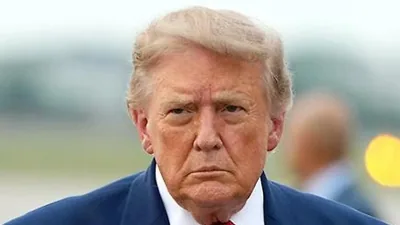
    Speaking to journalists on Wednesday, July 1, 2026, U.S. President Donald Trump said that America and Iran were on a strong footing diplomatically and that the recent round of indirect negotiations held in Qatar had gone well. "Iran's denuclearization is progressing nicely," Trump told reporters. "The meetings have been very good, and we will see what comes next." He added that the two nations were developing a solid rapport, and credited Iran with having come a considerable distance through the course of the diplomatic process.

Comments 0

No comments yet — be the first.

Citizen journalism

Become a TrendKia journalist

Voice of the people

Share news, photos and videos from your area with TrendKia and let your voice reach the nation. Every citizen a journalist.

Join now
CH 01 LIVE
TrendKia TV ON AIR