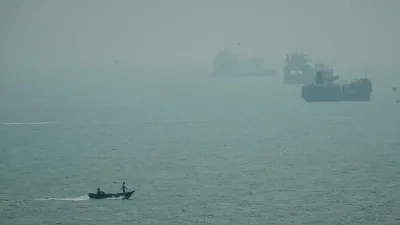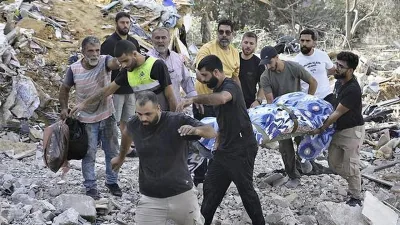
The United States has temporarily halted its airstrikes against Iran as diplomatic mediation intensifies, offering a potential path toward de-escalation. However, despite this positive signal, President Donald Trump continues his threats, and the American naval blockade remains fully in effect amid ongoing regional clashes.
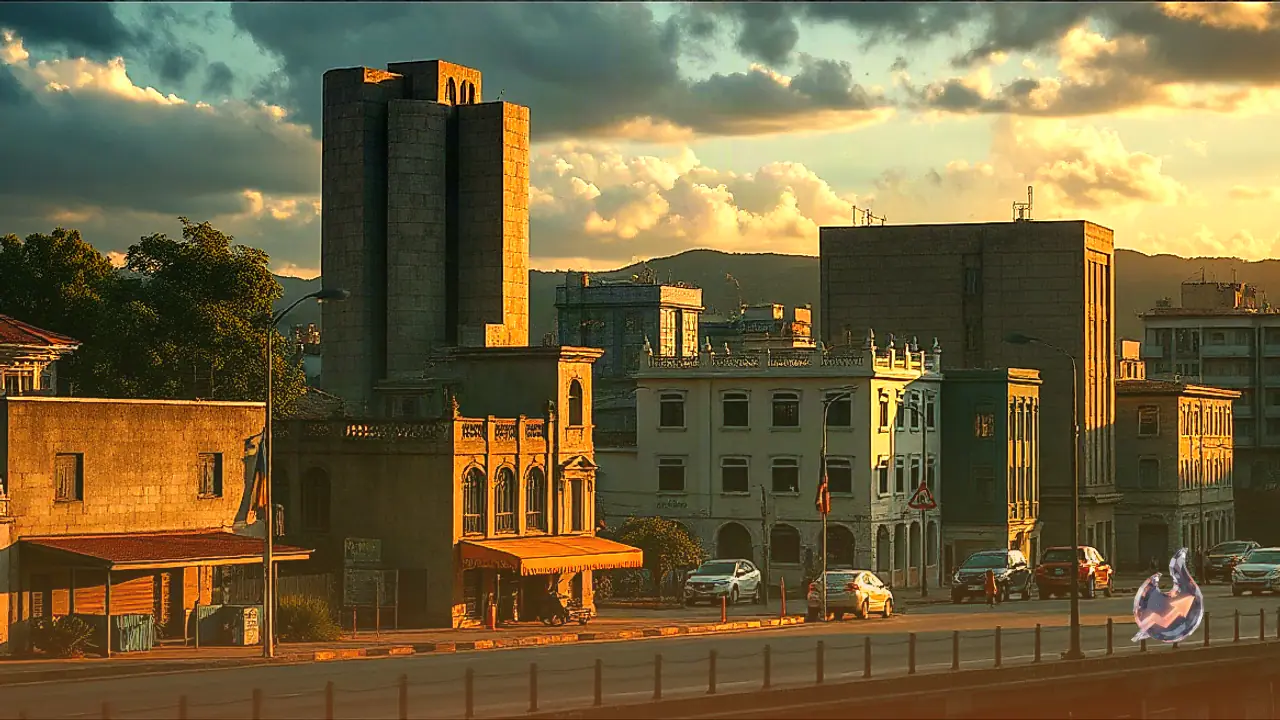 Colombian President Abelardo de la Espriella Repeals Decade-Long Restriction on Carrying Licensed Firearms
 Healthcare Expansion Push Lifts Park Medi World Shares Following Rs 200 Crore Hospital Announcement
 Keep Kneaded Dough Fresh and Soft for Up to 48 Hours With Simple Kitchen Rules
 Triple Planetary Conjunction on Bhadrapada Amavasya: 3 Zodiac Signs Facing Challenges From September 11
 Easy DIY Hacks to Fix Swollen Wooden Doors During Monsoon Without Calling a Carpenter
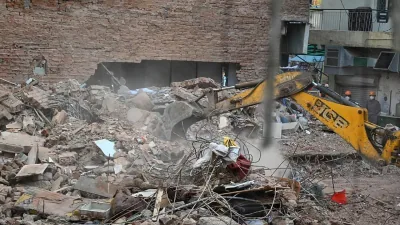
 NIA Chargesheet Reveals Red Fort Attack Was a Panic Suicide Detonation by Umar Un Nabi Following Srinagar Arrests
 Sun Transit in Uttara Phalguni Nakshatra to Bring 15 Days of Wealth and Career Growth for 4 Zodiac Signs
 Euro Consolidates Near 1.1625 Against US Dollar as Traders Focus on Upcoming ECB Decision and Inflation Data
 PM Narendra Modi Reaches Out to Youth in Vadodara as Delhi Cracks Down on Unsafe PGs and Maharashtra Faces Garba Politics
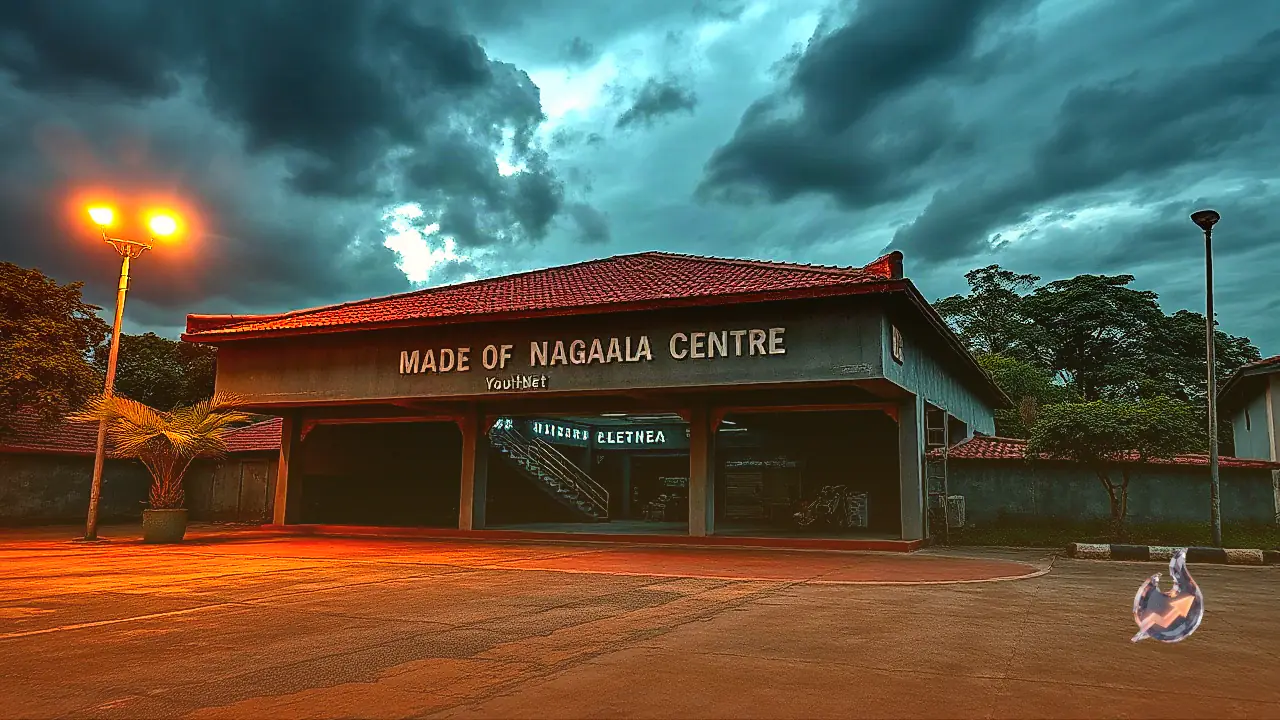 Chumoukedima Welcomes Third Made in Nagaland Hub to Connect Local Artisans and Entrepreneurs with Wider Markets
 Live
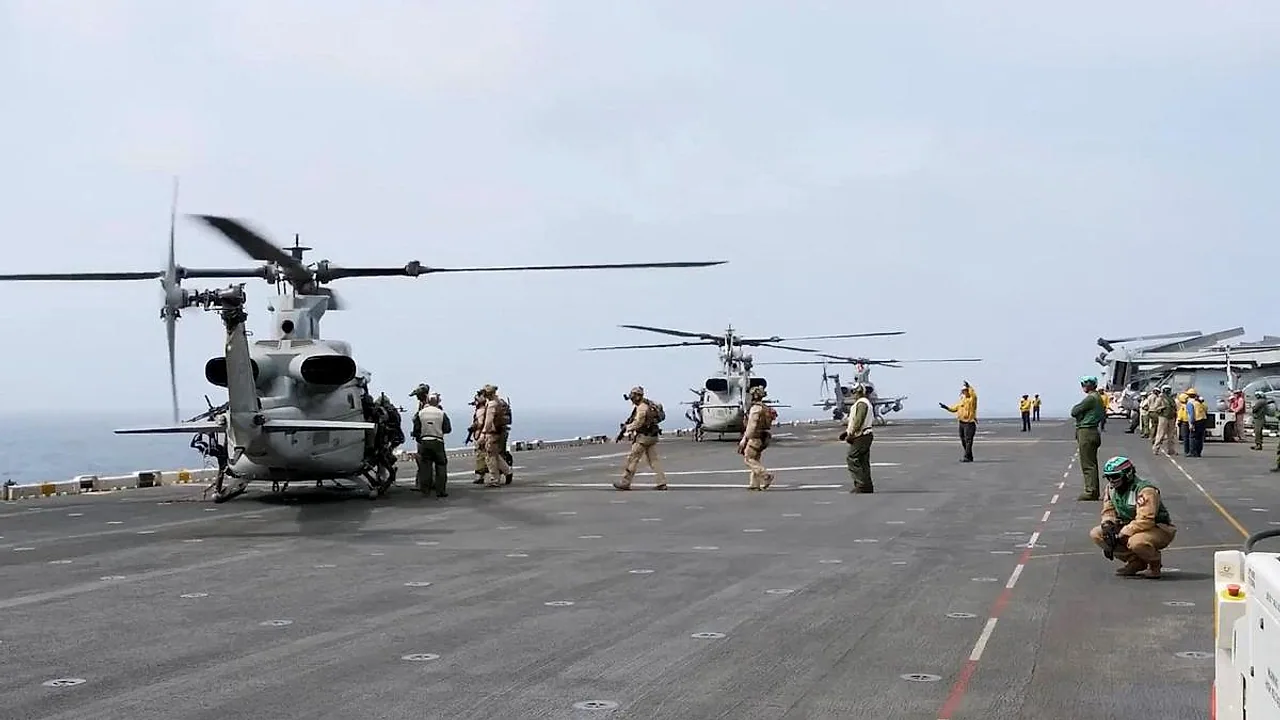
LiveLive: US pauses airstrikes on Iran amid mediation efforts; blockade remains active
The United States has temporarily halted its airstrikes against Iran as diplomatic mediation intensifies, offering a potential path toward de-escalation. However, despite this positive signal, President Donald Trump continues his threats, and the American naval blockade remains fully in effect amid ongoing regional clashes.
Also read
ENDED
Closed
Progress reported in Iran-Oman discussions over Strait of Hormuz
Tehran announced on Sunday, July 26, that negotiations with Muscat regarding the administration of the Strait of Hormuz have advanced. Both nations share borders along this vital maritime route, which is essential for global oil and gas shipments. These recent discussions follow a resumption of American military strikes targeting Iran. Washington has been attempting to strip Tehran of its authority over the strategic passage, disrupting the temporary peace established by a bilateral memorandum of understanding signed in June to halt hostilities.Conflict expands to fresh territory as Houthis strike Saudi oil facilities
Houthi insurgents in Yemen, who receive support from Iran, declared on Saturday, July 25, that they launched attacks against Saudi Aramco infrastructure in Yanbu and Jizan. This action followed airstrikes conducted by Riyadh against Houthi positions the previous day. According to the Greek air force's media department, a Greek-manned surface-to-air defense system deployed in Saudi Arabia intercepted two ballistic missiles and an unmanned aerial vehicle flying over Yanbu. Meanwhile, Iran's Revolutionary Guards reported detaining four commercial vessels trying to cross the Strait of Hormuz within a single 24-hour window. Tehran's de facto control and blockade of this critical channel continue to be the primary source of friction with Washington. Iranian Foreign Minister Abbas Araghchi rejected allegations holding Tehran responsible for the rising hostilities. He proposed that Iran could mediate peace talks between Saudi Arabia and the Houthis, emphasizing that the conflict cannot be resolved through military means.Iran blames Ukraine for fatal merchant ship strike in Caspian Sea
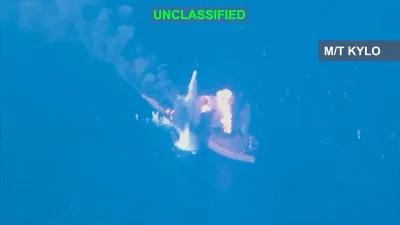
Tehran on Saturday (July 26) accused Kyiv of striking one of its commercial cargo ships navigating the Caspian Sea, resulting in the death of one crew member and leaving another injured. Iran cautioned that it would deliver a response to this assault. This allegation followed comments from Ukraine's President Volodymyr Zelenskyy, who confirmed that Kyiv had launched long-range operations in the Caspian Sea targeting vessels transporting Iranian-linked military shipments. This development highlights how Russia's war in Ukraine is taking on increasingly global proportions.Yemen's Houthis target Saudi Arabia with missiles following coalition raids
Iran-aligned Houthi forces in Yemen announced on Saturday, July 26, 2026, that they launched drone and missile strikes against Saudi Arabia. The group stated this was retaliation for Saudi aerial bombardments in Hodeida, a strategically key port city on the Red Sea. The escalation unfolds amid a broader conflict over vital maritime trade pathways in West Asia, with Washington and Tehran competing for influence over the Strait of Hormuz. In a recorded message, Houthi military representative Brigadier General Yahya Saree specified that the operation hit installations owned by Saudi Aramco, the globally dominant petroleum enterprise, situated in the coastal Red Sea hubs of Jizan and Yanbu.US and Iran halt airstrikes, raising hopes for diplomatic breakthrough
Following almost 14 days of escalating aerial bombardments, the United States military has suspended its strikes against Iran. This move comes as diplomatic talks accelerate to prevent the outbreak of a full-scale conflict. According to a regional representative participating in the peace talks, active diplomacy is currently in progress. The official noted that the suspension of both American bombardments and Iranian retaliatory strikes on adjacent countries containing US bases serves as an encouraging sign that supports efforts to defuse the crisis. The unnamed source, who requested anonymity because they were not cleared to publicize the details, mentioned that Washington and Tehran are both aiming to revive the temporary truce agreement. Current negotiations are focused on a potential deal where Iran would oversee maritime traffic through the Strait of Hormuz under reduced regulatory constraints for cargo vessels.Explainer: Inside Iran's formidable natural stronghold, Pickaxe Mountain
Pickaxe Mountain belongs to the Karkas mountain chain, also known as Reshteh Kuh-e Karkas. This geographical formation stretches diagonally for over 100 kilometers from northwest to southeast, positioned between the urban centers of Kashan and Ardestan. It draws its name from its peak elevation point, Mount Karkas, which stands approximately 3.9 kilometers above sea level in the center of a dry plateau. Geologically, this chain belongs to the Urumieh-Dokhtar magmatic belt. The peaks within this zone contain geological records of millions of years of volcanic eruptions and tectonic shifts. The Urumieh-Dokhtar belt formed as the ancient Neo-Tethyan Ocean was pushed beneath the Iranian landmass, prior to the eventual collision between Arabia and Eurasia during the previous 66 million years. Discover Pickaxe Mountain, a natural military fortress of Iran, and understand its complex volcanic geology and strategic value as regional geopolitical tensions escalate.US naval blockade of Iran remains active, says military
The maritime blockade enforced by the United States against Iran is still completely active, according to a statement from the US military released early Sunday, July 26, 2026. The command added that up to July 25, CENTCOM forces had turned away 12 commercial ships attempting to bypass the containment zone, immobilized two vessels that refused to cooperate, and boarded another two to guarantee full compliance with the restrictions.
Comments 0
Sign in to join the conversation.
Sign inNo comments yet — be the first.
Citizen journalism
Become a TrendKia journalist
Voice of the peopleShare news, photos and videos from your area with TrendKia and let your voice reach the nation. Every citizen a journalist.
Join nowCH 01 LIVE
TrendKia TV ON AIR