


















Addressing profound divisions and escalating economic instability across the globe, External Affairs Minister S Jaishankar presented a pragmatic diplomatic roadmap during the G20 foreign ministers deliberations. Underlining the urgent imperative to resolve protracted armed conflicts, he emphasized that the international community must take concerted steps to safeguard essential flows of food, fuel, and global trade. The destructive burden of prolonged confrontations falls disproportionately upon developing economies and the Global South, making purposeful dialogue a necessity rather than an option. Other foreign ministers present at the ministerial assembly acknowledged New Delhi's proactive role and sustained diplomatic engagements aimed at bridging divisions.
A Practical Three-Part Framework on the Russia-Ukraine Conflict
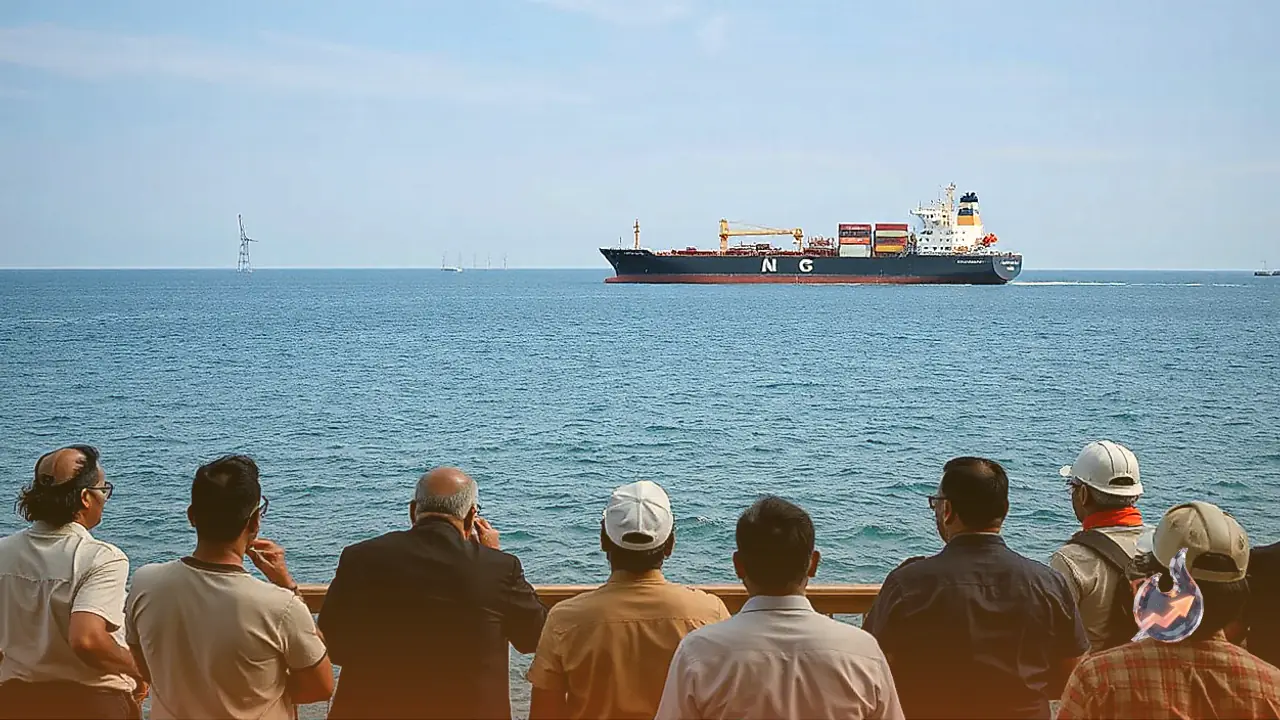
Detailing India's ongoing diplomatic initiatives regarding the Russia-Ukraine war, the External Affairs Minister explained that active discussions are being conducted across three core dimensions. The first vital element centers on guaranteeing the safety of civilian commercial vessels and their crews operating in hazardous waters, shielding maritime personnel from military hostilities. The second priority focuses on restoring regular grain shipments from both Russia and Ukraine to global buyers. The third and most sensitive dimension involves exploring viable arrangements to halt military strikes directed at critical energy installations.
India has engaged in extensive consultations with Russian authorities as well as European governments on these specific subjects. Maritime commercial traffic across the Black Sea has witnessed a steep drop, triggering broad disruptions across international commodity markets. Both Russia and Ukraine rank among the world's leading suppliers of essential grains such as wheat and corn. When export operations from these vital breadbaskets grind to a halt, the direct and immediate consequences are borne by vulnerable nations that depend heavily on agricultural imports to feed their domestic populations.
Mounting Pressures on Global South Food and Energy Security
For developing countries across the Global South, access to steady food supplies represents a vital lifeline, as these nations are among the largest volume purchasers on the open international grain market. Sharply reduced availability and severe price spikes immediately heighten the dangers of food shortages and domestic inflation. India is actively advocating for the rapid normalization of grain corridors so that broader global food insecurity does not deteriorate further into an acute humanitarian emergency.
The External Affairs Minister identified the cessation of attacks on energy infrastructure as the single most complex element of the ongoing consultations. The fundamental difficulty arises from conflicting perspectives on what constitutes energy infrastructure. For certain nations, the definition strictly denotes petroleum refineries, whereas for others, it encompasses the electricity distribution grid, power transmission stations, and marine vessels ferrying petroleum fuels. Given these diverging interpretations and domestic priorities, forging a consensus among all belligerent and affected parties remains a steep diplomatic challenge, though India continues to bring stakeholders together to locate common ground.
Direct Engagements at the Highest Levels of Leadership
These diplomatic initiatives have been supported by sustained communication at the apex of government. Prime Minister Narendra Modi has held direct discussions on the matter with Russian President Vladimir Putin. S Jaishankar has personally traveled to both Moscow and Kyiv to engage directly with their respective leaderships. Furthermore, during his presence in Atlanta, the External Affairs Minister conducted focused bilateral discussions with Russian Foreign Minister Sergey Lavrov.
Simultaneously, India maintains direct lines of communication with Ukrainian officials while ensuring steady coordination with the United States. Given the delicate and high-stakes nature of these diplomatic efforts, Jaishankar refrained from disclosing operational details or revealing the precise stage of the ongoing talks, preserving the confidentiality required for effective diplomacy.
Guarding Against the Weaponization of Energy and Trade
Turning to broader energy security concerns, India voiced strong reservations regarding emerging market distortions and the troubling tendency to convert critical energy supplies into instruments of geopolitical leverage. Jaishankar observed that politicizing energy flows produces severe collateral damage across the international economic system, with developing nations in the Global South enduring the harshest impact. For countries grappling with acute fuel shortages and erratic supply grids, these disruptions represent an existential economic test. India stressed that the G20 platform must openly confront these structural vulnerabilities and adopt tangible remediation measures.
Discussions surrounding food security expanded beyond raw grain trade to encompass the critical availability of agricultural fertilizers. The External Affairs Minister explained that logistics bottlenecks impacting fertilizer deliveries are not confined to the Black Sea corridor alone, but also extend into the volatile waters of the Persian Gulf and the Red Sea. Instability across these crucial maritime chokepoints drives up shipping rates and disrupts planting cycles, posing direct threats to farm productivity and subsequent harvest yields worldwide.
Diversifying Global Supply Chains and Building G20 Consensus
Addressing the fragility of global supply lines, India insisted that international manufacturing and manufacturing capacity must be dispersed across diverse geographic hubs. Jaishankar cautioned that placing excessive reliance on a single nation or a narrow region leaves the entire world economy vulnerable to sudden shocks. Drawing on lessons from the coronavirus pandemic, he remarked that whenever hyper-concentrated manufacturing and logistics hubs face disruption, the fallout cascades across every continent. Contemporary wars and extreme climate disruptions can trigger similarly damaging structural shocks.
India issued a firm warning against weaponizing commercial supply networks for coercive political ends or inflicting economic harm on sovereign states. The most durable defense against such economic leverage is the deliberate creation of decentralized production hubs across multiple regions. Addressing queries regarding the absence of a unanimous joint communique at the ministerial meeting, Jaishankar pointed out that the formal leaders' summit remains scheduled for December. Intensive diplomatic efforts are expected to bridge differences among member states in the run-up to that gathering, with India confident that G20 nations can still identify shared common ground.
Citing the precedent set by BRICS, Jaishankar recalled that despite divergent member profiles and complex geopolitical circumstances, participating nations succeeded in reaching common ground on joint declarations. India intends to extend identical support to foster consensus within the G20. During the proceedings in Atlanta, the minister participated in multiple bilateral and restricted-format discussions with counterparts from several countries. In today's deeply polarized geopolitical environment, India's proven capacity to sustain constructive dialogue with competing blocs is recognized as a vital bridge-building asset.
Quad Consultations and Contextual Clarifications
On the margins of the broader G20 events, foreign ministers representing India, the United States, Japan, and Australia convened on Saturday morning for a high-level Quad meeting. This marked the third occasion during the current year that the foreign ministers of the four maritime democracies had gathered, following earlier consultations held in New Delhi and Manila. All four participants acknowledged that meaningful progress had been accomplished in advancing the grouping's core objectives. They agreed to deliberate on reshaping operational priorities, charting new strategic directions, and broadening the group's agenda in the months ahead.
Responding to queries regarding his earlier remarks regarding the United States, Jaishankar clarified that those statements were delivered during interactions with a Munich Security Conference delegation under an entirely distinct context. The setting, diplomatic goals, and audience at the Atlanta foreign ministers gathering were fundamentally different. He emphasized that statements made at any international event must be understood in relation to their specific context and intended audience.