



















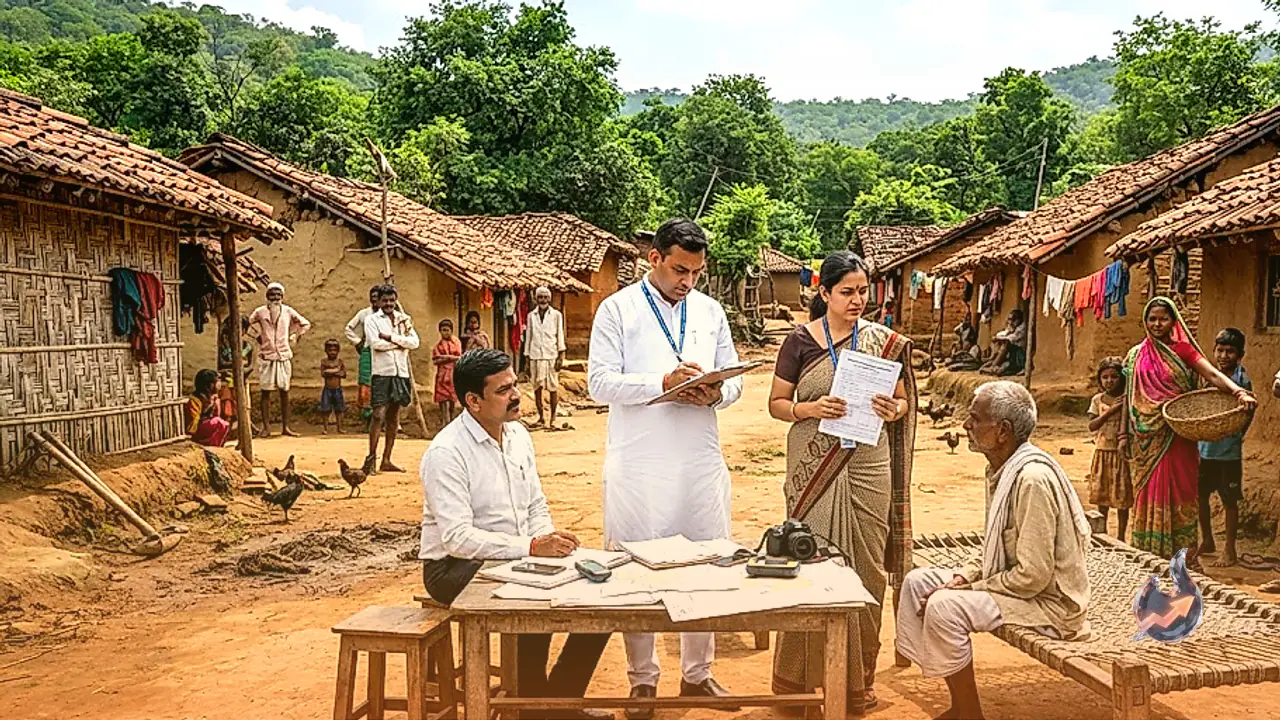

With extremism having drawn to a close across Madhya Pradesh, the state administration has launched an extensive grassroots effort to uplift remote communities. Spearheaded under Chief Minister Dr. Mohan Yadav, authorities have singled out 100 villages within Balaghat district that historically experienced extremist unrest. To integrate these border communities into the broader pace of economic progress, officials have commenced on-the-ground consultations to map immediate civic needs, regional hurdles, and future growth prospects. As part of this push, administrative delegations visited multiple habitations across the Baihar, Birsa, Lanji, and Kirnapur development blocks on October 26 and October 28 to interact directly with residents.
Four Spatial Clusters Set Up for Fortnight-Long Assessment
To ensure thorough coverage, the selected one hundred settlements have been categorized into four distinct administrative clusters. Officials representing diverse civic departments have been tasked with touring these allocated areas over a 14-day timeline. The core assignment requires them to gauge current public amenities, note pressing community requirements, and draft tangible infrastructure proposals. The program aims to establish dependable amenities while broadening access to schooling, healthcare, child and maternal nutrition, and sustainable household livelihoods.
Senior Officers and Field Teams Engage in Direct Village Outreach
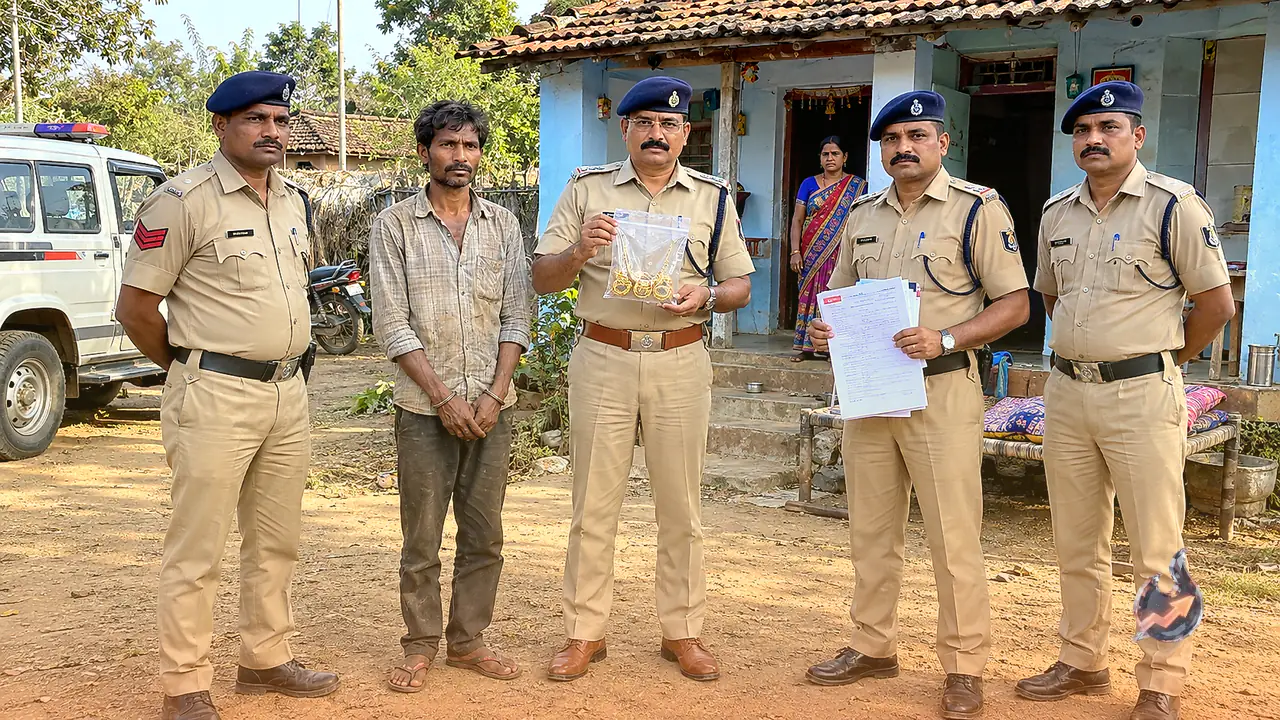
The field initiative began on October 26, when an administrative delegation led by Lanji Sub-Divisional Magistrate Aditya Narayan Tiwari inspected Kattipar, Satona, Bargud, and Devarbeli. Concurrently, Baihar Sub-Divisional Magistrate Aniket Shandilya steered another contingent across Dadekasa, Bilalkasa, Songudda, Lood, Hirri, Bharri, Sonpuri, and Bithri. Executive Engineer Manoj Dhurve from the Rural Engineering Service visited Sitapar and Borwan in the Kirnapur block to gather feedback from locals. In the Ukwa-Bithli belt, Tribal Affairs Department Assistant Commissioner Shakuntala Damor evaluated hostel premises to assess living arrangements and educational infrastructure.
Technical personnel also fanned out across designated sectors, including Veterinary Services Deputy Director Dr. Ghanshyam Parte, Fisheries Deputy Director Pooja Rodge, and Sarva Shiksha Abhiyan District Project Coordinator GP Barman. The momentum continued on October 28, with Collector Aditya Singh touring Bargud-Satona, Keradih, Sayar, and Sanduka within the Devarbeli gram panchayat in Lanji block to confer with villagers. Concurrently, the Chief Executive Officer of the District Panchayat led an outreach team across Chhindikua, Borwan, Sakritola, and Siriyatola in Kirnapur. Additional department representatives surveyed Adori, Kundekasa, and Bondari in Birsa, alongside Latri, Bamhani, and Sarad in the Baihar block.
Prioritizing Civic Infrastructure, Utilities, and Basic Amenities
Field evaluators are concentrating on the availability and condition of all-weather roads, culverts, potable drinking water, farm irrigation, school buildings, Anganwadi facilities, and electricity lines. Officers have been directed to distinguish between non-urgent works and acute difficulties that require immediate intervention. Parallel efforts are being directed toward bolstering medical care, learning facilities, and supplementary nutrition centers. Once existing departmental facilities are fully cataloged, structural improvement plans will be drawn up, alongside efforts to enroll eligible beneficiaries under relevant public welfare initiatives.
Expanding Self-Employment and Agrarian Livelihoods
Beyond physical utilities, the district leadership is emphasizing household income through farming, horticulture, dairy husbandry, livestock rearing, and aquaculture. Administrative agencies have been told to design livelihood proposals aligned with the capabilities of local youth and community members. Collector Aditya Singh reiterated that the detailed findings must be finalized within the prescribed 14-day window. The ultimate focus remains on ensuring that these 100 habitations benefit from state programs, opening educational pathways and dependable livelihoods for tribal communities and local youth.