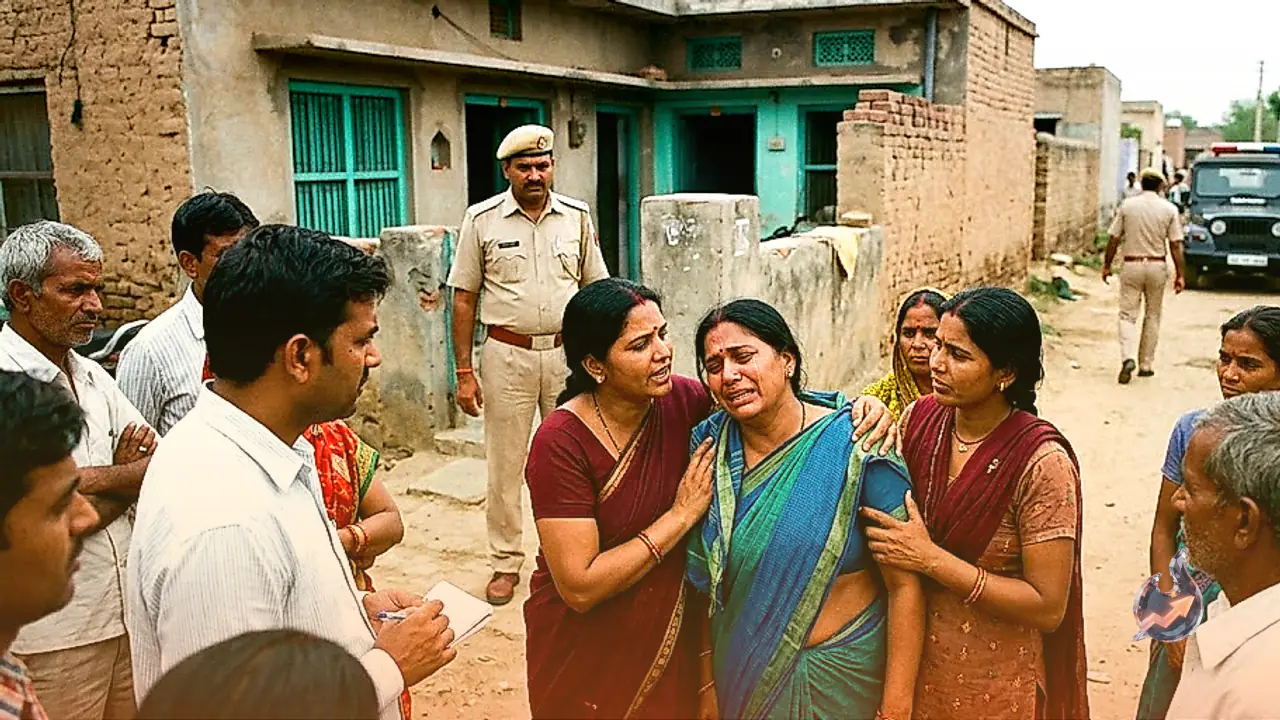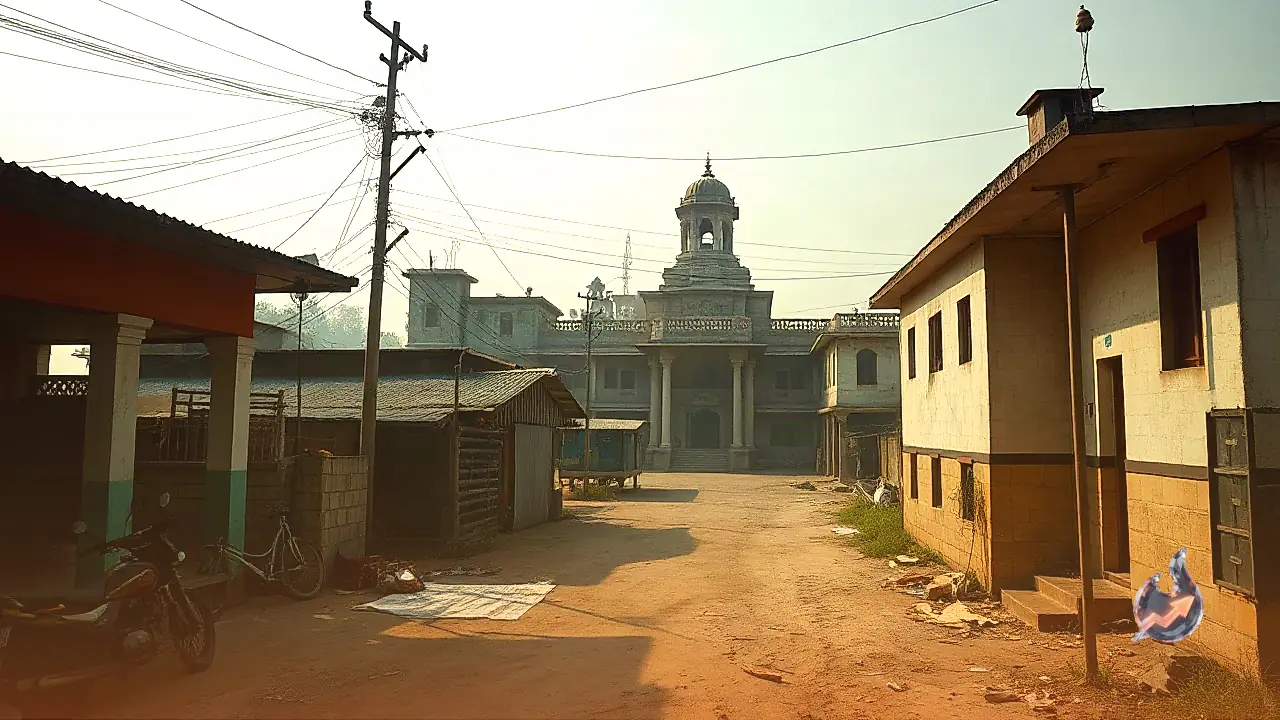



















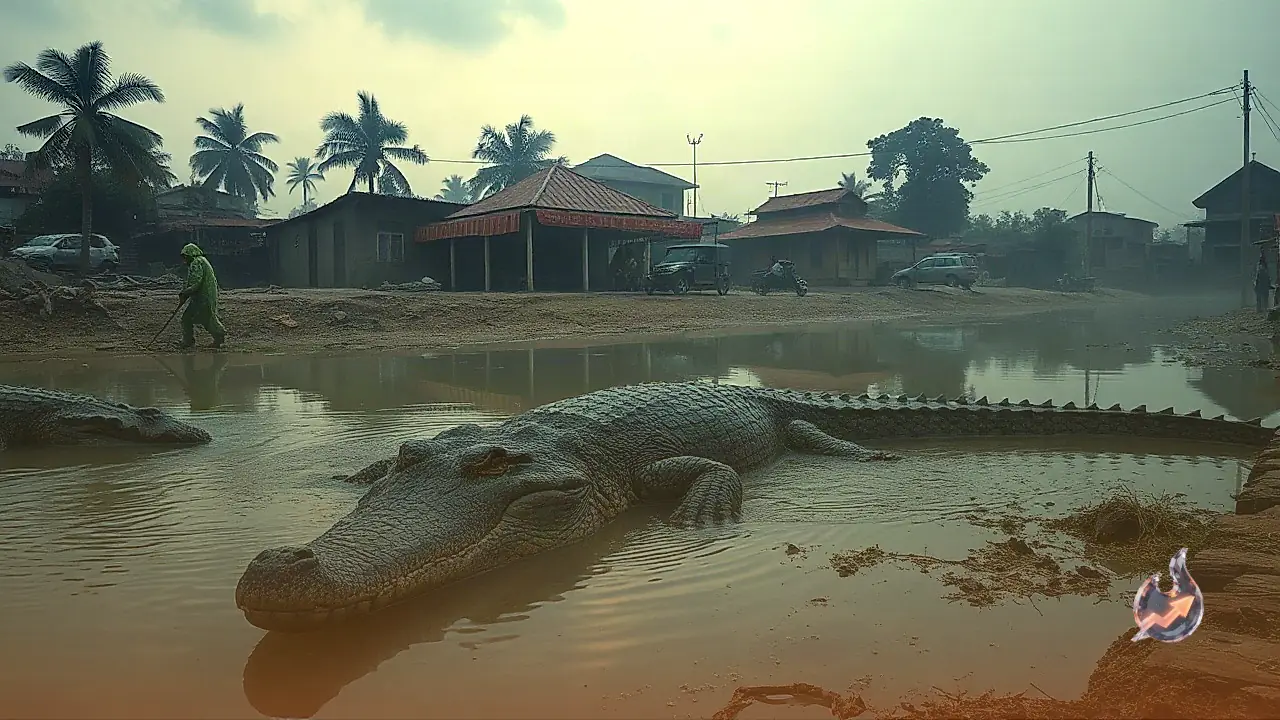

A deeply concerning incident has emerged from Chhatarpur district in Madhya Pradesh, where the sudden appearance of a massive crocodile in a village pond has triggered widespread panic among local residents. The dangerous reptile was spotted floating near the surface of the primary pond located right in the center of Dhamna village. Terrified by the presence of the apex aquatic predator, villagers have restricted their movement outside, while parents are preventing children from venturing outdoors. Livestock owners are equally distressed, as the pond serves as an essential water source for domestic cattle and daily rural activities.
Rising River Levels and Wildlife Displacement
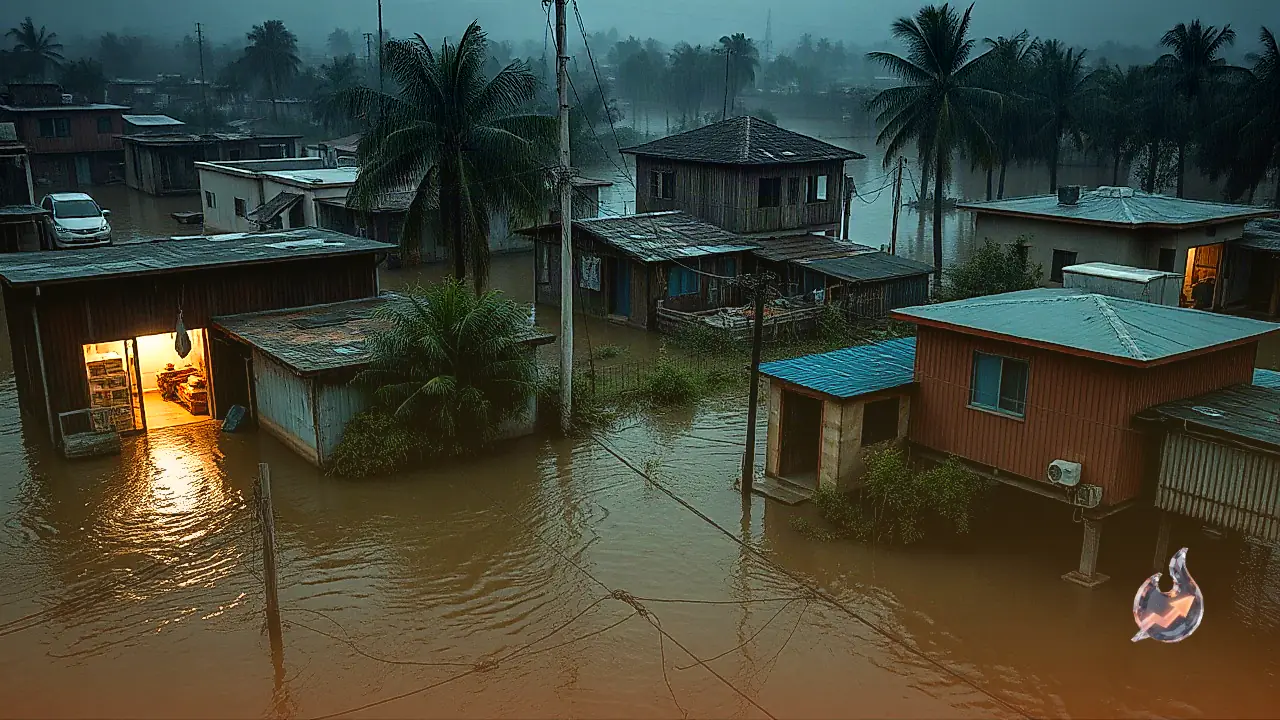
Continuous heavy monsoon rainfall across Chhatarpur and its adjoining districts over recent days has caused a sharp rise in the water levels of regional rivers. The Ken River, in particular, has swollen significantly above its danger mark, inundating low-lying areas and extending into residential peripheries. As floodwaters breach traditional riverbanks, wild aquatic animals and reptiles are being displaced from their natural habitats toward human habitations. Swirling flood currents carried this giant crocodile from the Ken River system directly into the Dhamna village community pond.
Villagers Express Anguish Over Forest Department Inaction
Recognizing the immediate threat to public safety, residents of Dhamna village promptly reported the crocodile sighting to the Chandranagar forest range under the Panna Tiger Reserve administration. However, villagers have expressed intense frustration over what they describe as complete administrative apathy and negligence. Despite multiple alerts emphasizing the presence of a dangerous crocodile in a densely populated village area, no rescue team or forest officials have arrived at the scene. Fearing an inevitable tragedy involving children or livestock, villagers are urgently demanding that district authorities deploy a specialized wildlife rescue team to capture the crocodile and safely relocate it to a natural sanctuary.
Understanding Crocodile Hunting Tactics and Lethality
Wildlife experts highlight that crocodiles are exceptionally formidable ambush predators capable of hunting both in water and on land. They typically remain completely motionless along muddy riverbanks or near water surfaces for hours, making them nearly invisible to approaching animals or humans. The moment a potential prey comes within striking distance, the crocodile executes a lightning-fast lunge. Featuring immense jaw strength, a crocodile's bite creates an unbreakable lock on its target. Once grabbed, the predator drags its prey underwater to drown it before consumption.
Major Crocodile Species Across the World and India
Crocodiles inhabit various global ecosystems, with specific species earning a reputation for extreme aggression toward humans
- Nile Crocodile: Native to the African continent, the Nile crocodile is widely regarded as one of the deadliest species on Earth. It is responsible for hundreds of human fatalities every year across African rivers and lakes.
- Saltwater Crocodile: Recognized as the largest living reptile, this species is prevalent across coastal regions of Australia, Indonesia, and Papua New Guinea. Known for immense power and hyper-aggression, saltwater crocodile attacks are frequently fatal.
- Mugger Crocodile (India): India is primarily home to the freshwater Mugger crocodile, along with populations of Saltwater crocodiles in coastal estuaries. Numerous incidents across Indian states document Mugger crocodiles ambushing people or cattle at water edges and pulling them into deep waters.
Essential Safety Protocol in Crocodile-Prone Zones
During the monsoon season when displaced reptiles frequently move into rural waterways, adherence to safety precautions is crucial
- Avoid entering rivers or ponds in known crocodile habitats and maintain a safe physical distance from water edges.
- Refrain from approaching natural water bodies during nighttime or in poor visibility when crocodiles are actively hunting.
- Strictly obey all public warning signboards erected near riverbanks and flooded zones by local authorities.
- In the rare event of a physical attack, target the crocodile's most vulnerable areas, specifically striking its eyes or the sensitive tissue inside its mouth to force it to release its grip.