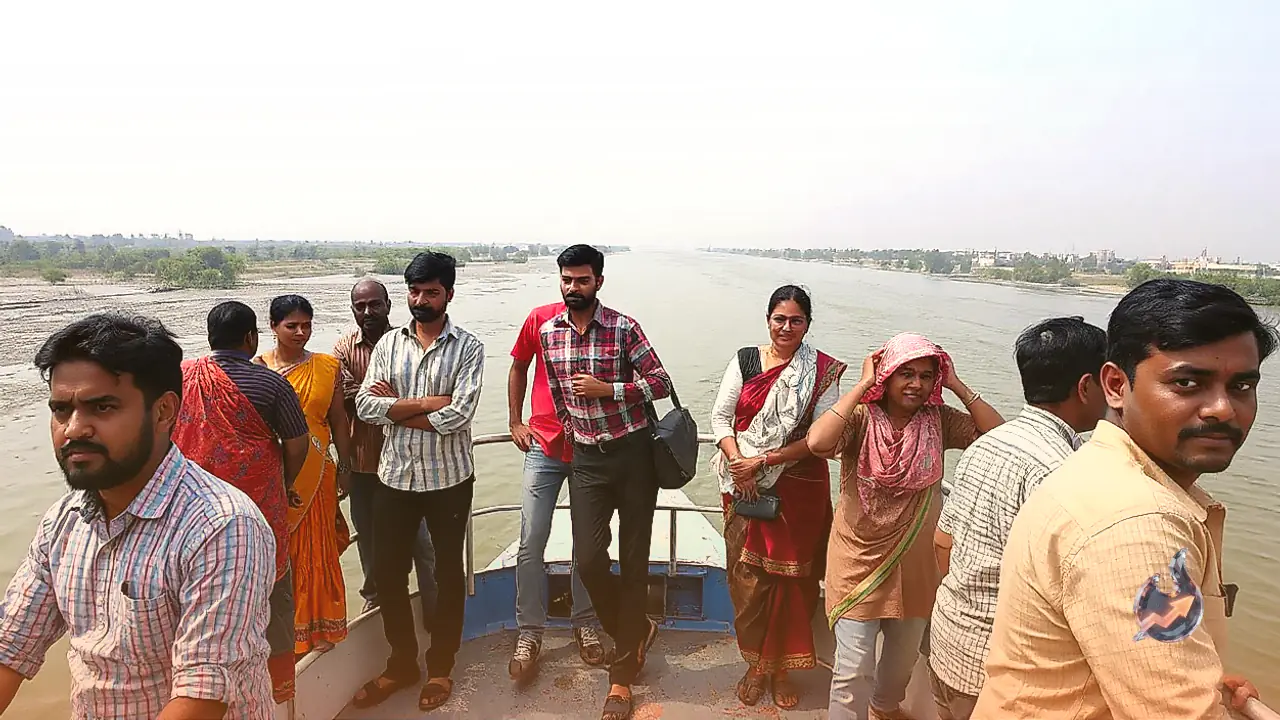


















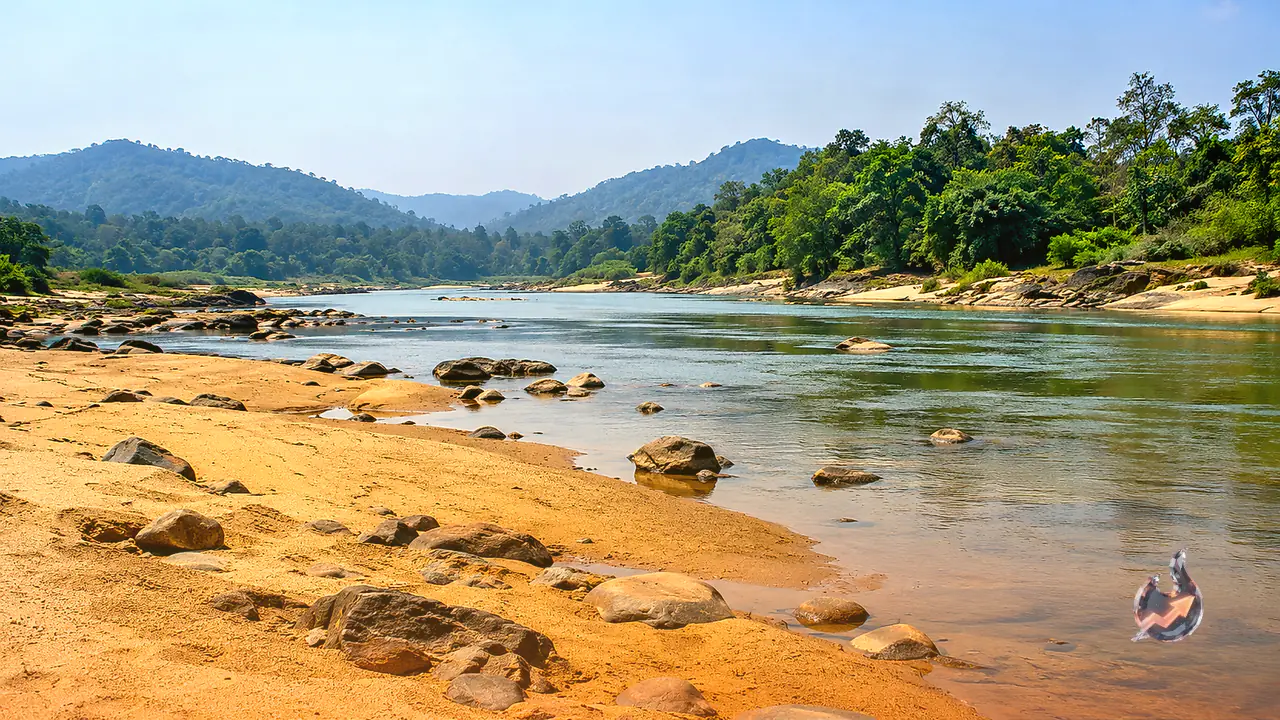

A unique river flows through the state of Jharkhand, carrying fine traces of gold within its bed and sandy shores. Known as the Swarnarekha River, or Subarnarekha River, this water body is widely recognized for its distinct geographical features and historical background. The river originates near Nagri village at Rani Chua, close to Ranchi, the capital of Jharkhand. According to geographical estimates, the total length of this stream spans roughly between 395 and 474 kilometers, flowing through Jharkhand, West Bengal, and Odisha before finally emptying into the Bay of Bengal.
Why It Is Named Swarnarekha
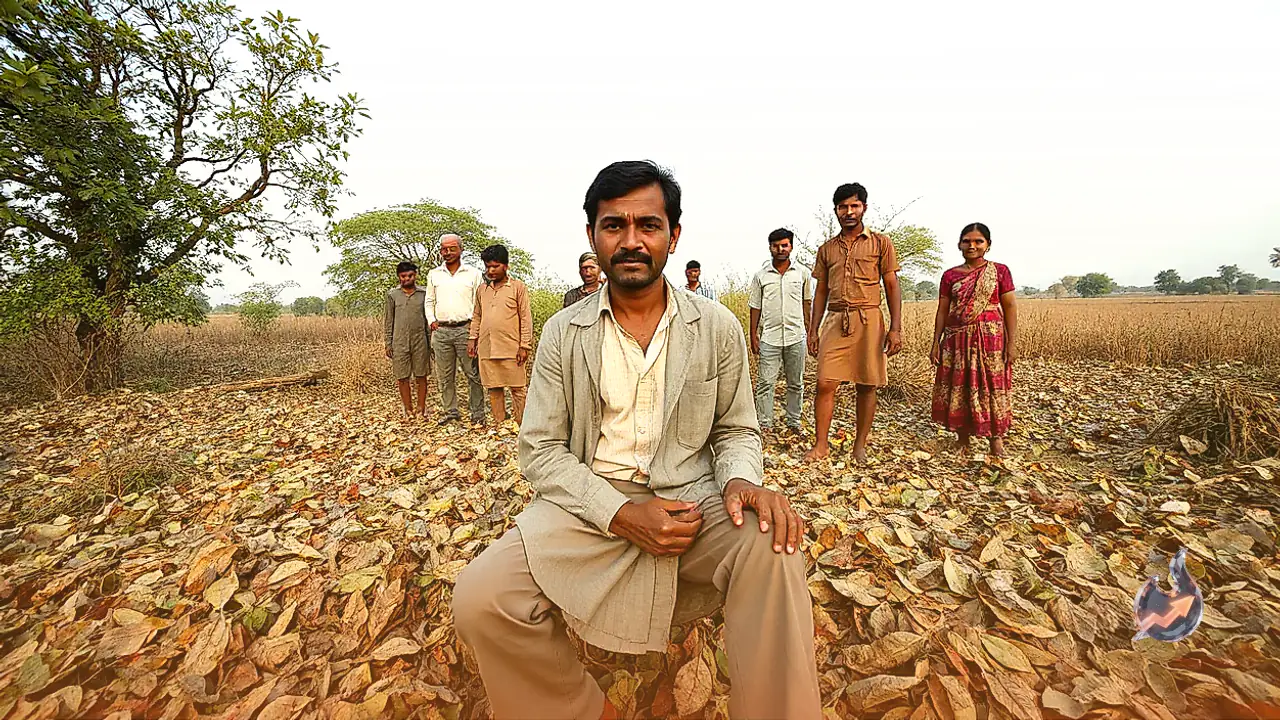
The name Swarnarekha has a literal meaning that translates to a line of gold. This title was given because the sand along the riverbanks continues to yield microscopic particles of gold to this day. Numerous rural and tribal families residing in Jharkhand pan the river sand to recover these tiny flakes, turning the activity into a primary source of sustenance. For many locals, the river serves as a vital economic lifeline, drawing hundreds of people every day who scour the banks in hopes of striking gold.
The Presence of Gold Particles in Water
While individuals who sift through the river water do manage to find gold, the discoveries are far from substantial nuggets that could fetch thousands or millions of rupees. Instead, they are merely microscopic specks that yield a modest amount of money. This specific activity is concentrated in a particular stretch of the river, located around 17 kilometers away from Jamshedpur within the Ghatsila or Chandil block of the neighboring Seraikela Kharsawan district.
A Longstanding Source of Livelihood
Extracting gold from the sand and silt washed down by the river is a tradition that has persisted for generations among the villagers living along the banks. Local residents explain that these tiny metallic particles form the foundation of their daily survival, helping feed their families. However, separating gold from river sand is an exceptionally arduous task. Behind the gleaming allure of Swarnarekha gold lies a painful routine marked by immense physical hardship, making the work far more demanding than it appears from a distance.
Geological Origins of the Gold
Locals point out that as the Swarnarekha River meanders through Tamar, it encounters several rock formations containing trace amounts of gold. Weathering and erosion strip particles from these rocks, washing sediment downstream where it settles at various bends along the riverbanks, a geological phenomenon known as placer deposits. The gold recovered through this natural process is exceptionally pure. However, due to continuous transport along the watercourse, the concentration diminishes significantly by the time the river reaches lower regions. Despite the uncertainty of finding gold, workers persevere through exhaustive daily labor.
Collective Search and Local Techniques
Hundreds of villagers spread across dozens of settlements within a 20-kilometer radius engage in the extraction process together. They maintain mutual respect and actively assist one another in the arduous search for gold. When asked how they identify promising locations, a local resident explained to reporters that they first select spots where water currents naturally deposit stones, sand, and heavy sediment along the edges.
The Laborious Extraction Method
Villagers begin by clearing away large stones, then dig through the upper layer of sand to reach the underlying soil. This soil is scooped into a wooden or metal pan and washed slowly with water, allowing the lighter dirt to wash away while the heavier gold settles at the base of the pan. Workers then transfer these gold specks into an aluminum bowl using water and leave them to dry in the sun. Once the moisture evaporates, the remaining particles are carefully collected and stored inside a piece of paper.
Selling and Daily Struggles
The process of selling the retrieved gold follows a distinct local system. Earnings depend on a point-based valuation where shopkeepers pay one hundred and twenty rupees per point of gold recovered. Workers do not require any official permits or authorization to undertake this search. Whether facing scorching summer heat, freezing winter temperatures, or heavy monsoon rains, individuals spend hours bending on their knees inside riverbank pits to wash the soil. Sifting through the coarse sediment using large sieve-like tools is intensely grueling, often yielding only one or two tiny specks after hours of effort.
Persistent Hopes Amid Uncertain Returns
Even though the river generates very little gold and the hours spent panning frequently yield negligible results, the watercourse continually rekindles hope among the locals that the next attempt might uncover enough particles to cover their daily expenses. The task of extracting gold remains deceptively simple in appearance yet profoundly difficult in reality.