

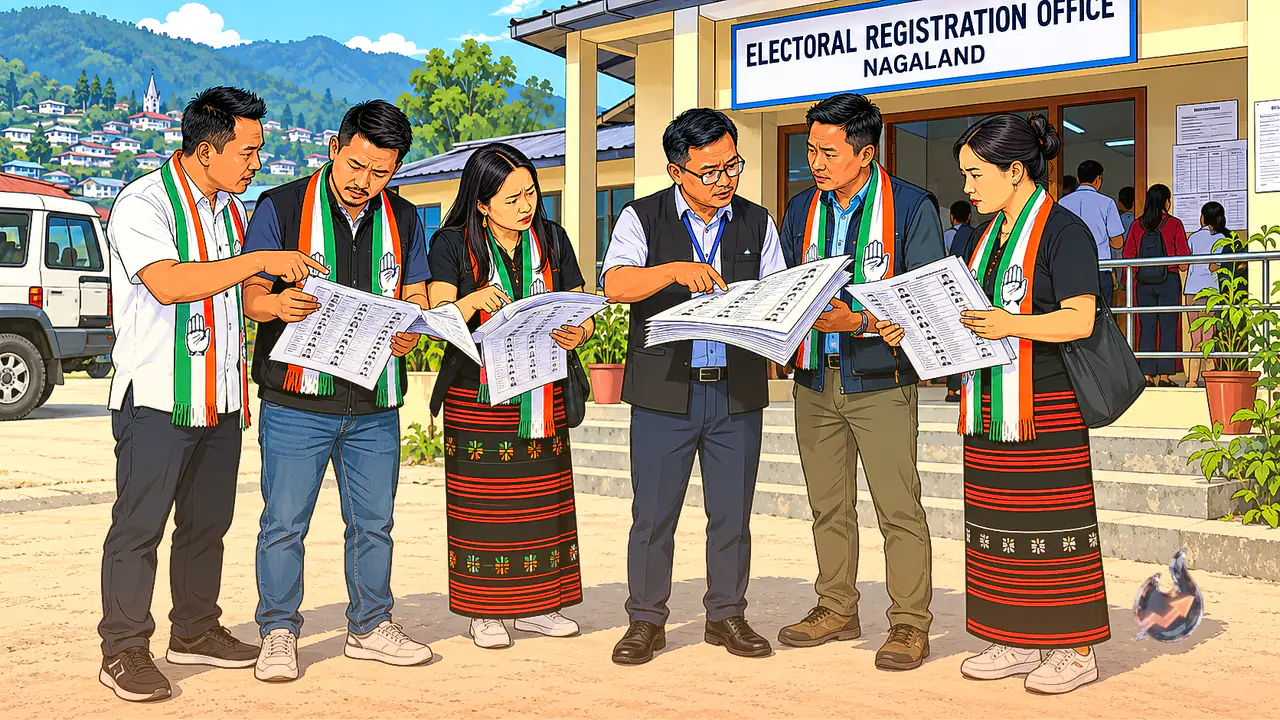
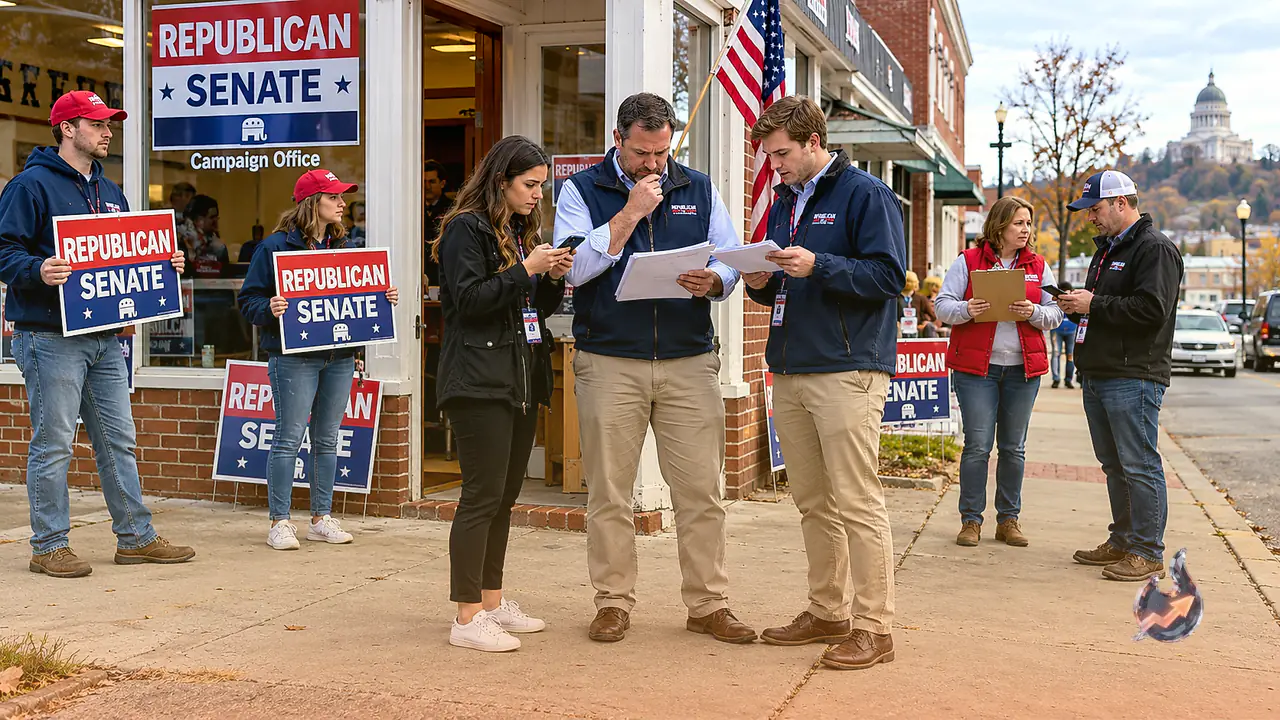
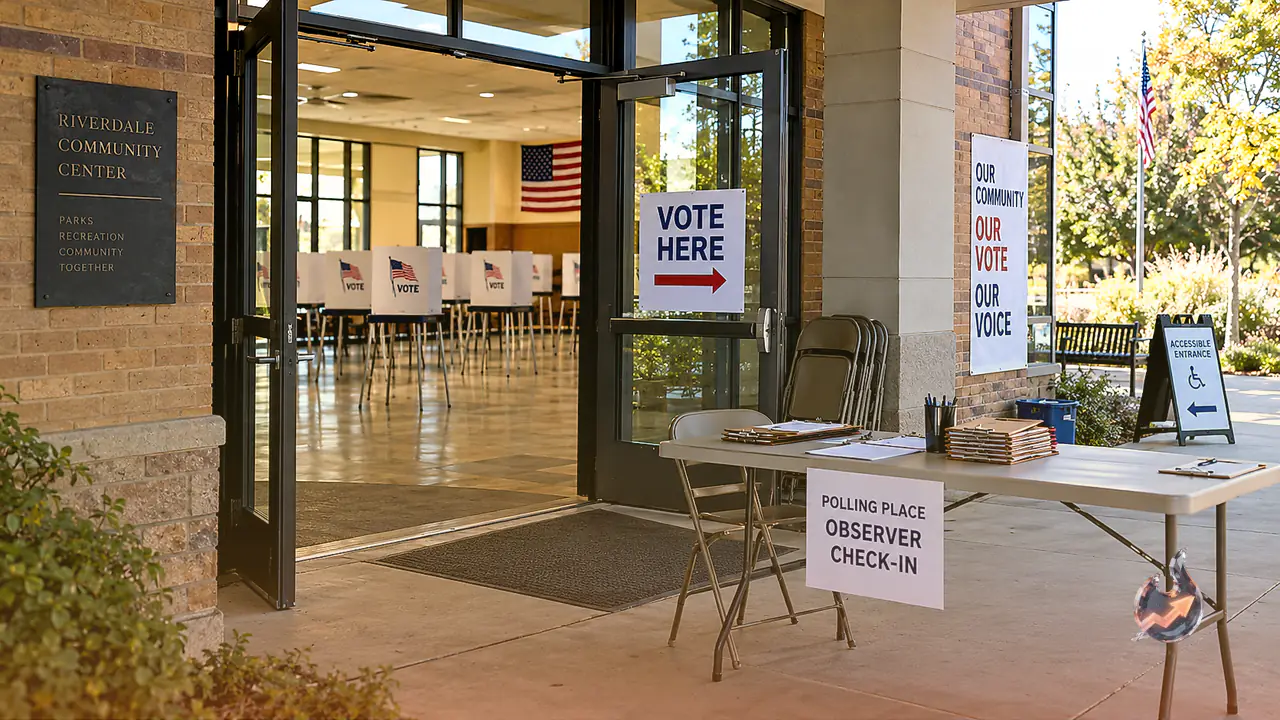
















Grassroots organizations and volunteers across the United States are mobilizing in large numbers to monitor polling locations and document any potential federal immigration enforcement actions during the upcoming midterm elections. Communities that have previously experienced heightened immigration enforcement activity are bracing for possible disruptions as voters head to the polls.
Community Patrols and Training Initiatives
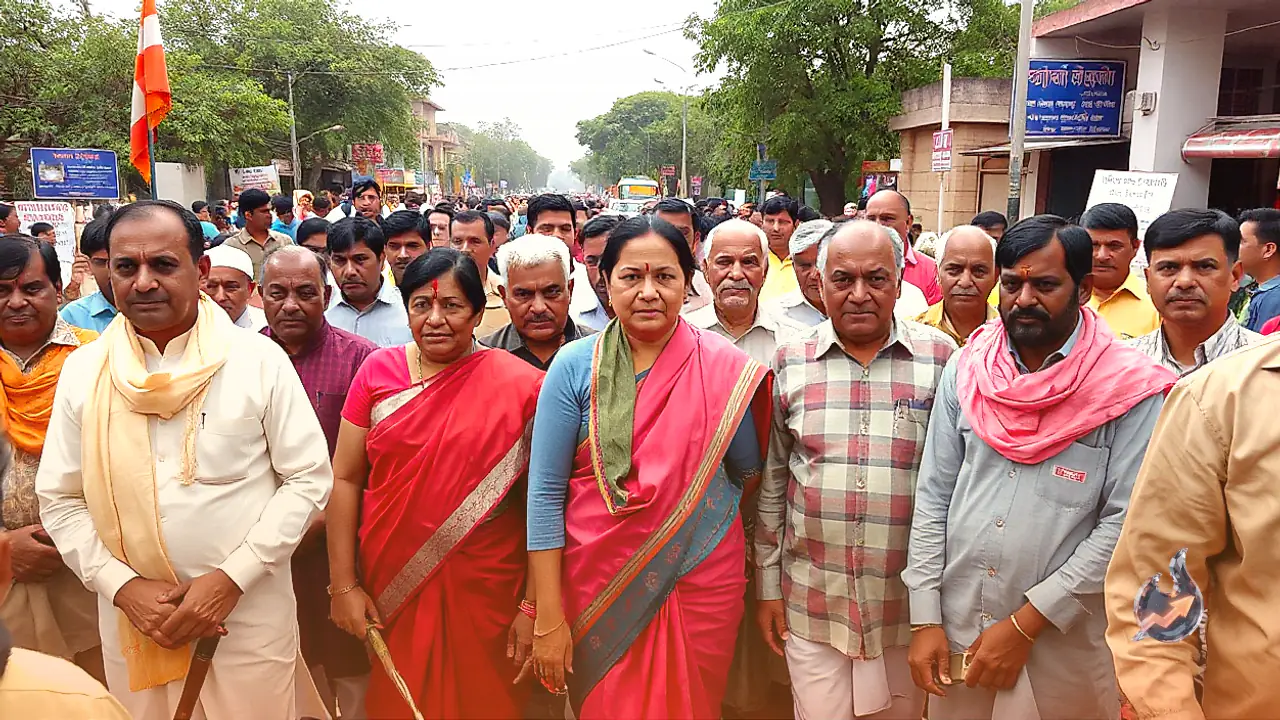
In central Ohio, early voting locations situated within heavily impacted immigrant communities have prompted local organizers to launch active patrols. Dozens of volunteers are currently monitoring the area daily, with numbers expected to reach around 250 individuals on Election Day. These participants receive specialized training focused on recording, documenting, and reporting sightings of federal agents through dedicated messaging networks on platforms like Signal and WhatsApp.
Volunteers learn to recognize standard uniforms and vehicles utilized by federal agents to ensure accurate reporting. Similar community defense initiatives are expanding rapidly in towns and cities across the nation. National organizations including Common Cause, the American Civil Liberties Union, and Indivisible are spearheading training sessions alongside regional groups such as Living United for Change in Arizona and NorCal Resist to prepare citizens for various scenarios.
Official Stances and Expert Perspectives
The Department of Homeland Security has maintained that it has no official plans to deploy immigration agents to voting locations. A departmental spokesperson noted that enforcement operations remain intelligence-driven, stating that agents might act only if a direct public safety threat emerged at a polling site. However, the administration has repeatedly declined to explicitly rule out such deployments during the midterms.
When questioned regarding potential deployments, leadership has emphasized the necessity of ensuring proper election integrity. Conversely, election law experts have expressed skepticism regarding the likelihood of widespread polling place deployments. Specialists suggest that any such occurrences would likely remain isolated or accidental rather than systemic.
Addressing Voter Anxiety and Disinformation
Local election officials report that voter inquiries regarding federal agents at polling sites remain a primary concern among residents. Advocacy organizations working closely with Hispanic and Latino communities note a palpable sense of anxiety among eligible voters who view their demographic as a central focus of current political dynamics.
To counter potential challenges, organizations plan to operate specialized war rooms on Election Day to monitor and debunk viral disinformation campaigns designed to suppress turnout. Groups are also preparing contingency plans to address potential home raids in immigrant neighborhoods, which could create a chilling effect on voter participation.
De-Escalation Tactics and Digital Tracking
Community patrols operate in pairs or groups to maintain safety and structure during monitoring efforts. Volunteers receive instruction in unique de-escalation techniques, such as humming or singing to maintain calm in tense environments, with the explicit goal of documenting actions rather than engaging directly with federal personnel.
Digital tracking tools have also been deployed, including confidential heat maps used by regional organizations to log enforcement activity across specific counties. Social media alerts allow mutual aid networks to rapidly mobilize volunteers when federal vehicles appear near ballot drop boxes or election offices, drawing immediate public attention to the area.
Preparedness Across Grassroots Networks
Despite ongoing concerns within minority communities regarding potential federal actions, organizers express confidence in the robustness of their grassroots infrastructure. Leaders from various civil rights and civic defense organizations emphasize that tactical documentation training and established communication channels will ensure any enforcement actions near polling sites are quickly recorded and shared publicly.