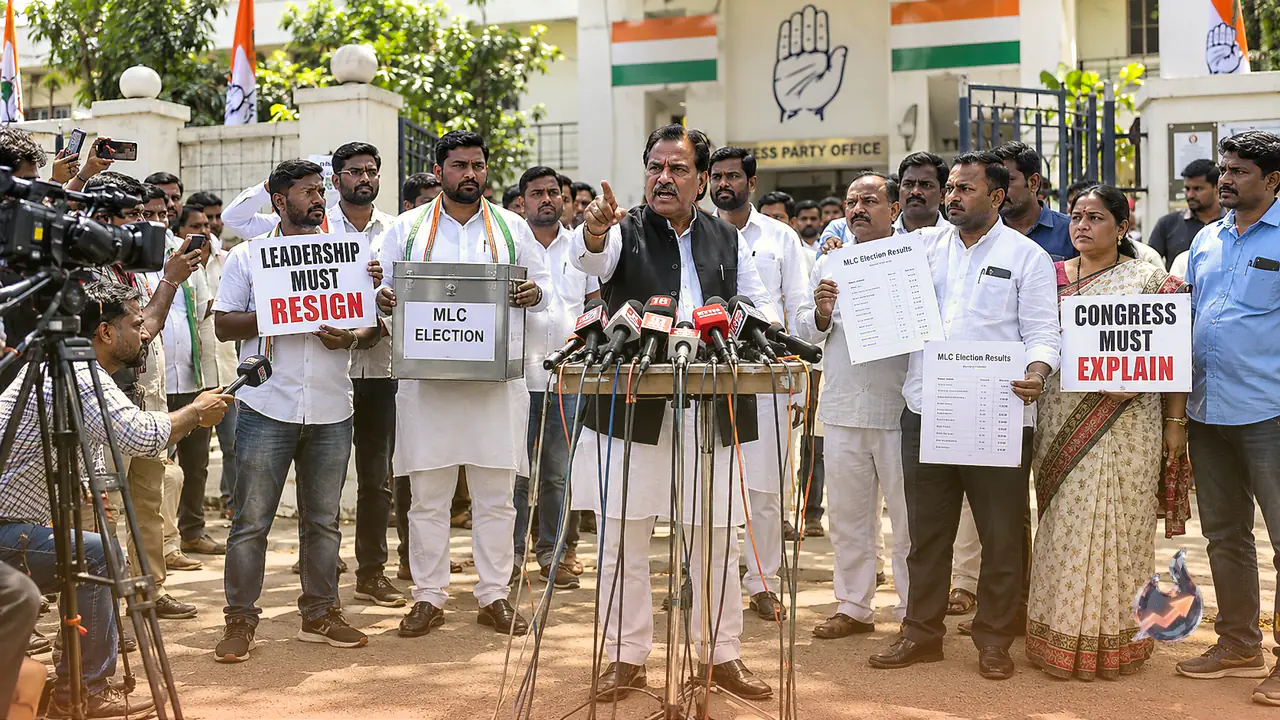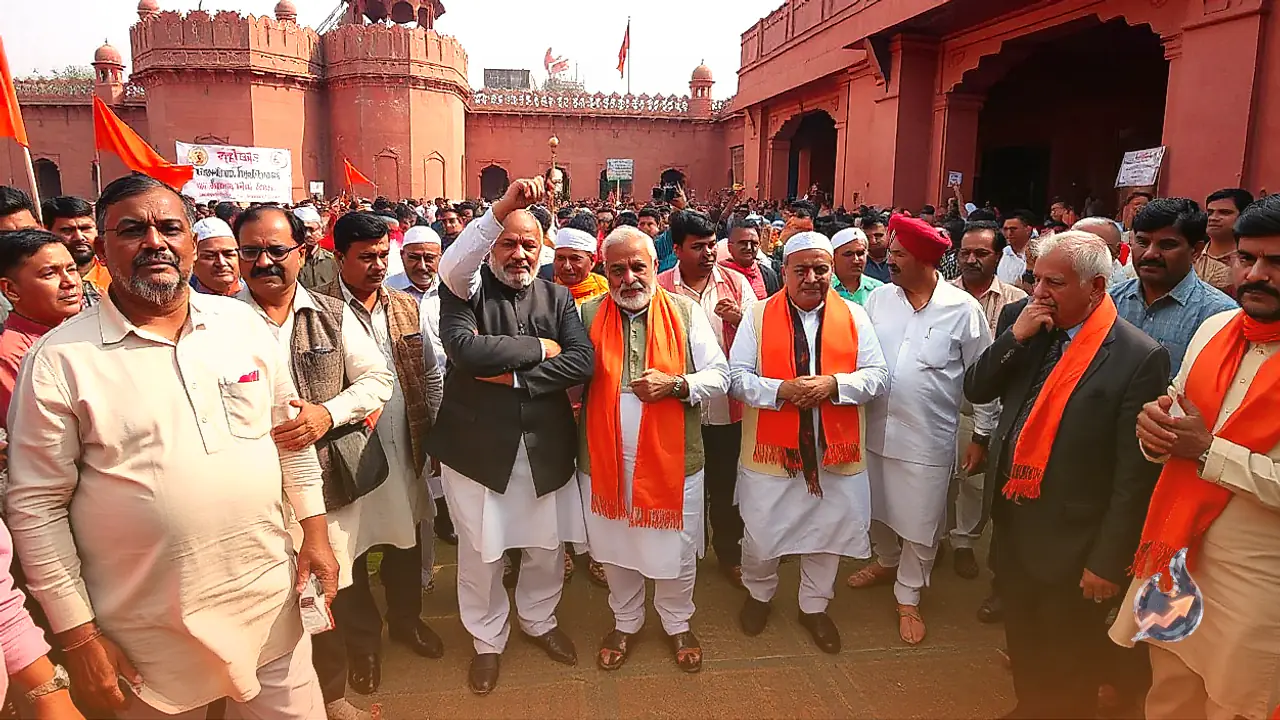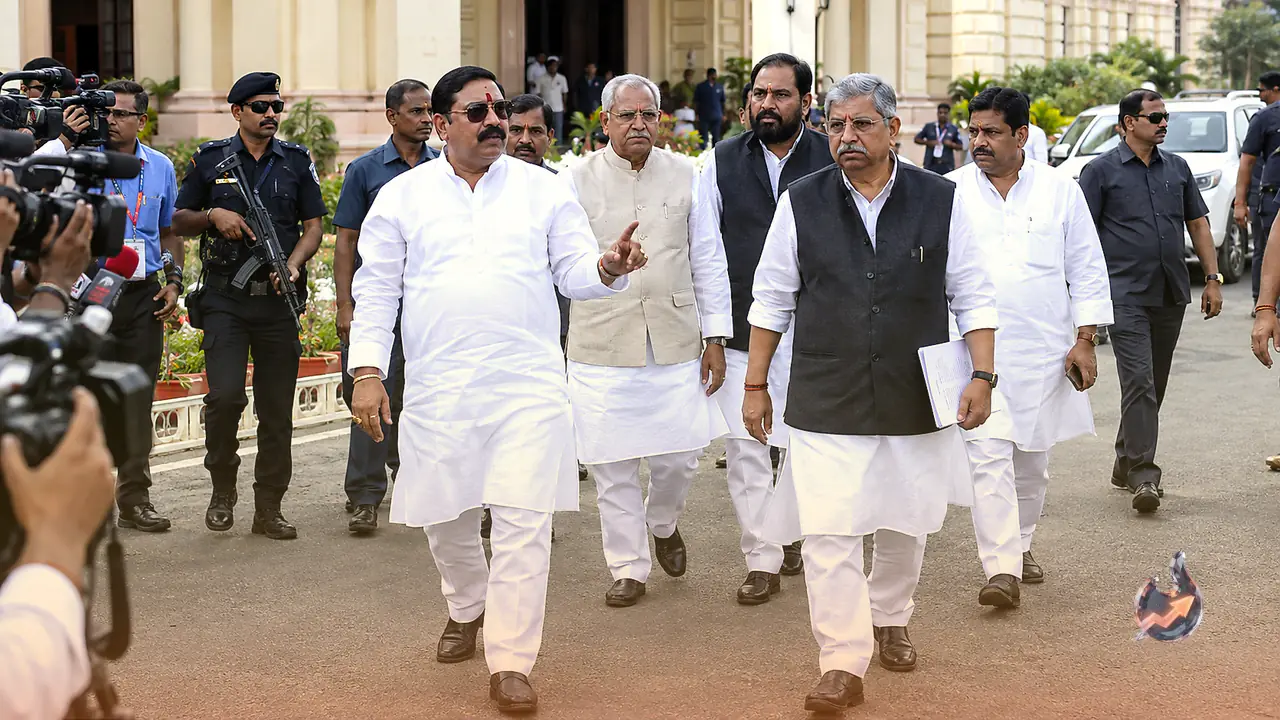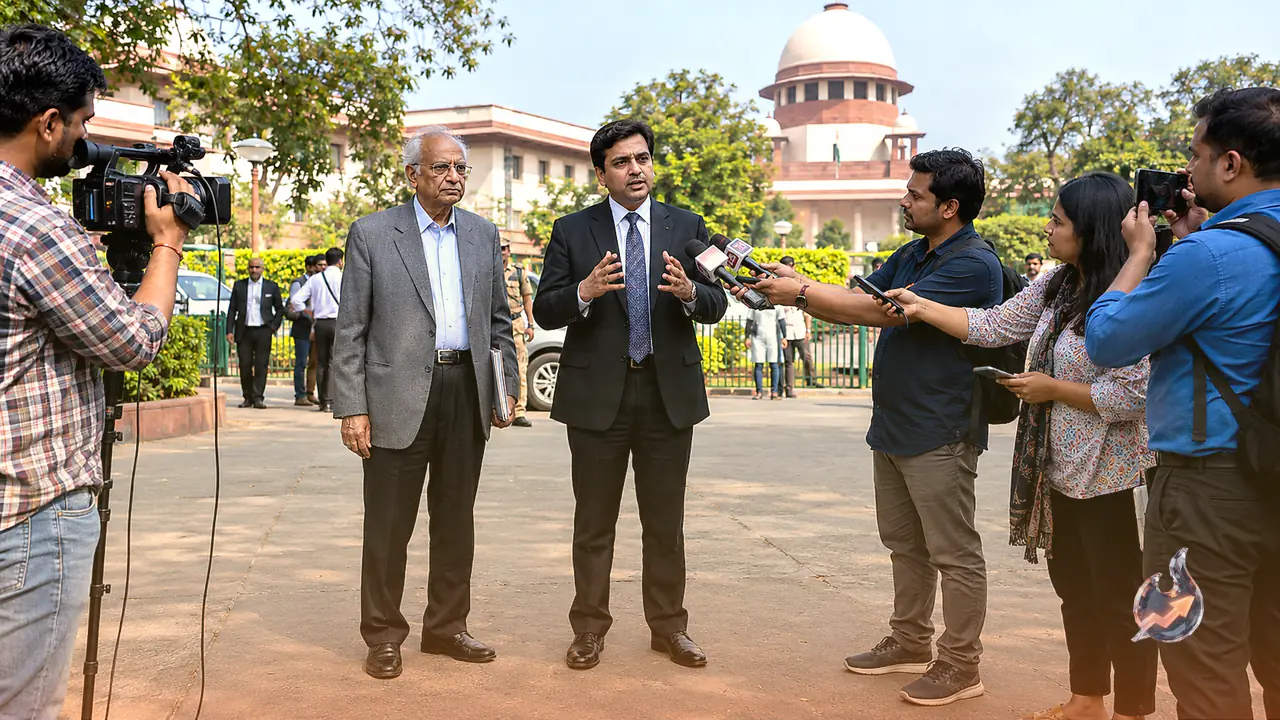


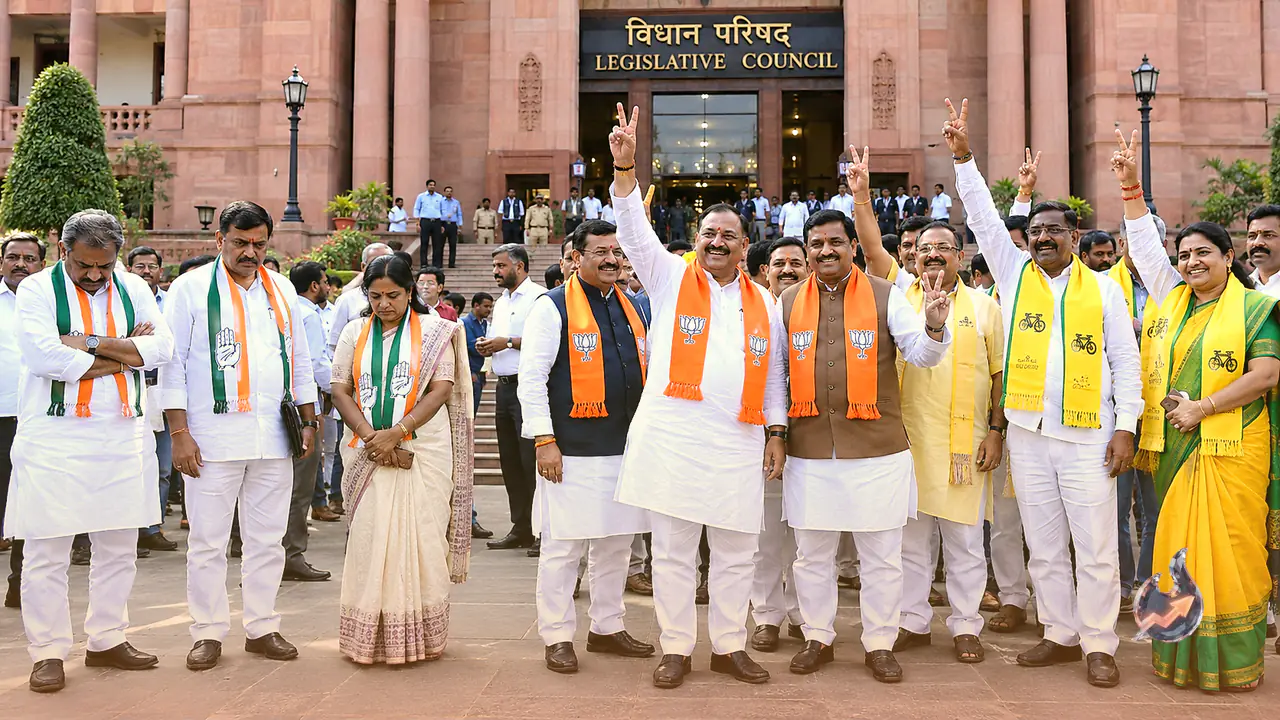
















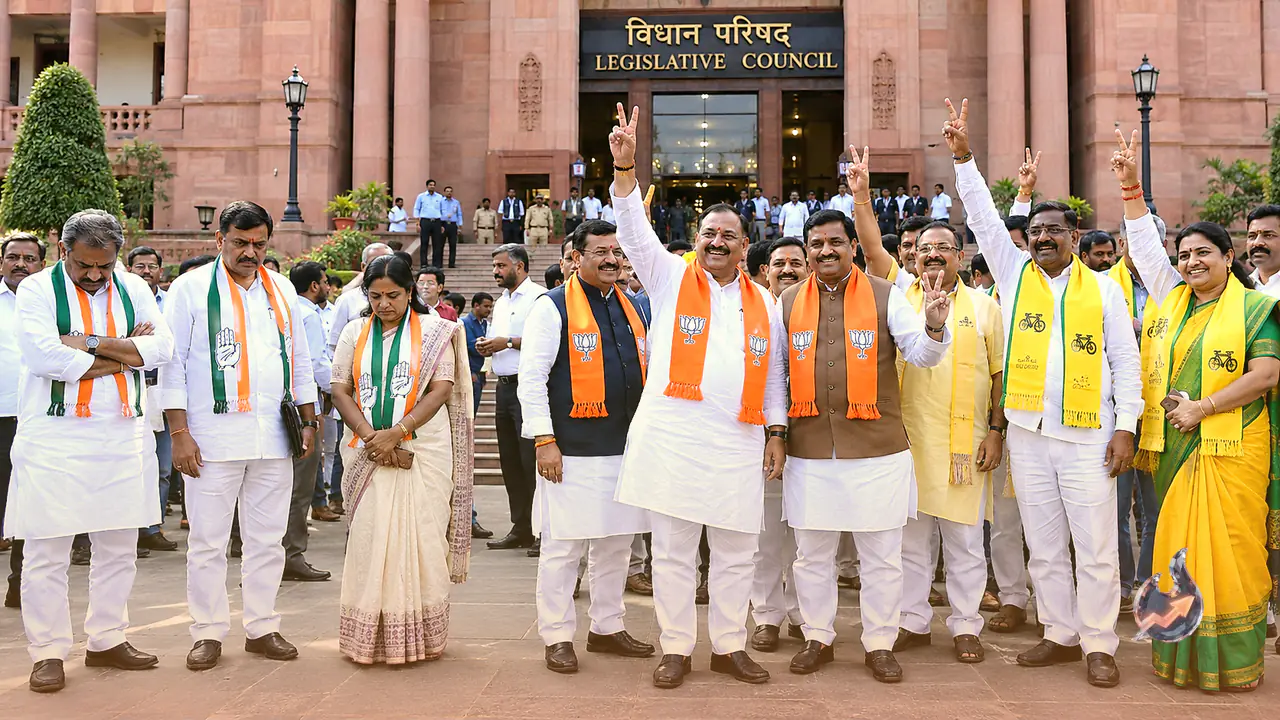

Recent legislative council election results across four major Indian states have triggered intense political debates nationwide. The polls held in Uttar Pradesh, Bihar, Maharashtra, and Karnataka proved to be a major setback for the Congress party, which failed to open its account across 28 contested seats despite fielding candidates. Meanwhile, the Bharatiya Janata Party maintained its dominant standing, and regional groups like the Samajwadi Party in Uttar Pradesh and Jan Suraaj in Bihar made notable inroads. Because these elections were conducted using traditional ballot papers, the outcomes have immediately reignited discussions regarding voting mechanisms and the frequent opposition claims surrounding electronic voting machines.
Prime Minister Narendra Modi and leaders react to the outcomes
Prime Minister Narendra Modi highlighted the results from Uttar Pradesh, Bihar, Maharashtra, and Karnataka to criticize the opposition's persistent stance on electoral processes. He remarked that since these polls utilized ballot papers, observers can readily evaluate the extent of public support secured by the Congress party. While party leaders have suggested internal reviews following the defeat, they continue to demand a return to paper ballots for general elections. Senior figures within the ruling coalition argued that these outcomes undermine the narrative blaming electronic voting machines for past electoral losses. Union Minister Pralhd Joshi asserted that regardless of whether voters press a button or cast a ballot paper, the ultimate outcome for the opposition remains consistent.
Uttar Pradesh sees a balanced contest between BJP and Samajwadi Party
The legislative council elections in Uttar Pradesh featured 11 fiercely contested seats. Following a prolonged counting process lasting roughly 36 hours, the BJP secured six seats while the Samajwadi Party captured five. Compared to the previous election cycle in 2020, the ruling party's tally remained steady, whereas the regional opposition improved its position by gaining two additional seats. The Samajwadi Party emerged victorious in the Varanasi teacher, Agra teacher, and Allahabad-Jhansi graduate constituencies. Party chief Akhilesh Yadav expressed enthusiasm over the results while advising his supporters to celebrate responsibly and avoid rowdy behavior that could provide political opponents an opportunity to level allegations.
Counting disputes and regional developments in key constituencies
The tabulation phase witnessed several instances of friction and procedural complaints. Akhilesh Yadav circulated video clips alleging irregularities during the counting process and claimed his party could have secured an even broader victory under completely fair conditions. In Agra, a local candidate staged a sit-in protest following reported confrontations, though he ultimately secured the win. Both graduate and teacher constituencies in Varanasi remained with the regional opposition. Meanwhile, the Gorakhpur-Faizabad teacher seat witnessed a tightly contested race won by the BJP candidate, amidst brief disruptions during the secondary preference vote tallying.
Shifts in Bihar and southern states reshape the legislative landscape
Elections across eight legislative council seats in Bihar brought mixed fortunes for various political formations. The BJP captured the Kosi graduate and Tirhut teacher constituencies, while the Rashtriya Janata Dal secured the Patna teacher seat, and independent candidates claimed others. A notable highlight in Bihar was the defeat of the Congress party in the Darbhanga teacher constituency, where a candidate backed by the newly emerged Jan Suraaj movement secured victory. In Maharashtra, the ruling alliance captured key teacher and graduate segments, while Karnataka delivered a severe blow to the ruling state administration. Despite holding power in Karnataka, the Congress party failed to win any of the four contested legislative council seats, as the opposition alliance swept the entire state tally.