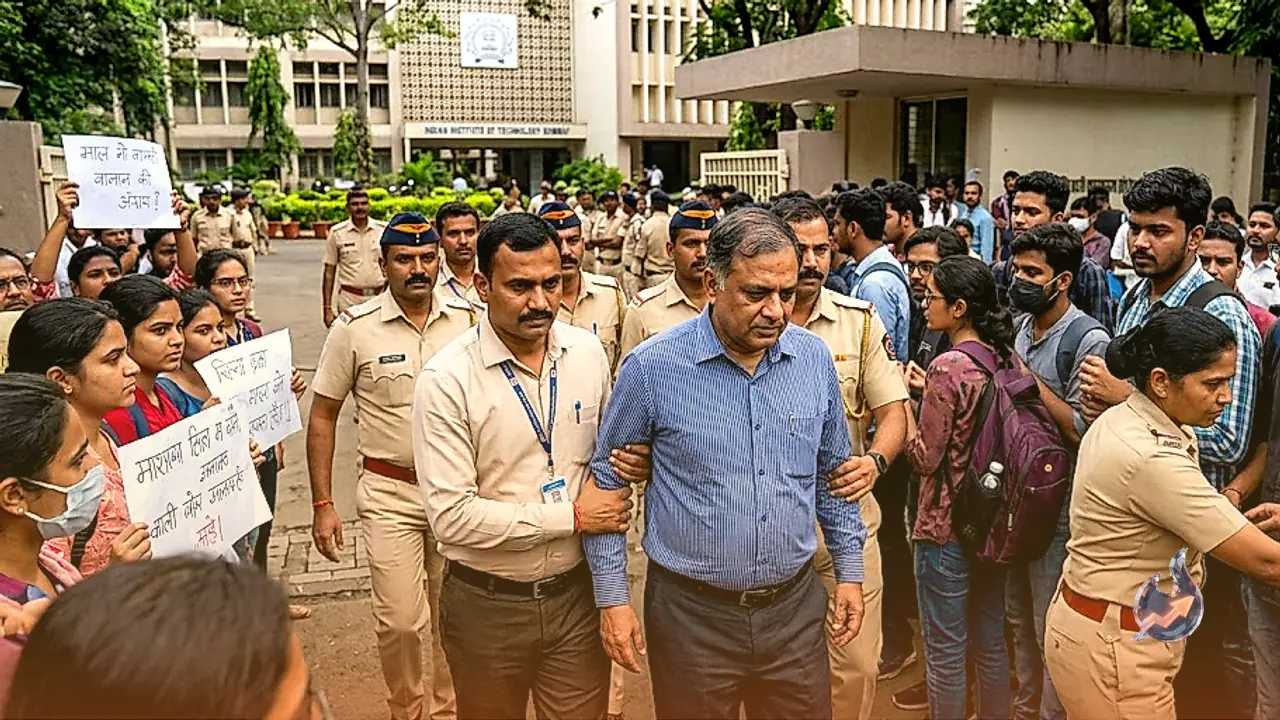






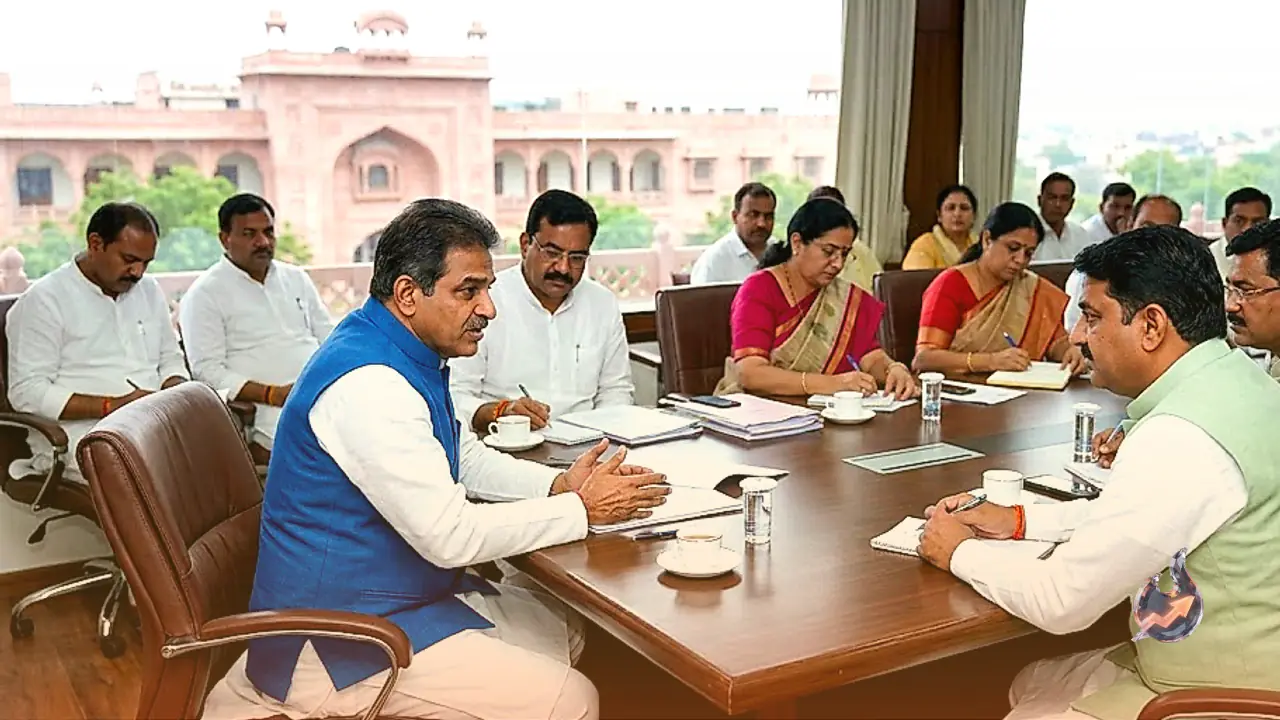
















Internal friction has surfaced within the high-level committee constituted to frame rules and draft recommendations for the Uniform Civil Code in Maharashtra. Former Bombay High Court judge Justice RC Chavan has resigned from his position on the panel after raising strong objections regarding public consultation procedures and governance norms. The state government formally accepted his resignation on Monday, September 21. His departure followed within hours of the panel concluding its second official meeting on September 19.
Disagreements Over Survey Design and Citizen Feedback
The state government had established the seven-member committee in July to establish recommendations and regulatory guidelines for implementing the Uniform Civil Code across Maharashtra. The panel functions under the leadership of former Supreme Court judge Justice Ranjana Desai. The core dispute erupted during the second session of the committee, which was conducted via an online video conference to finalize citizen outreach strategies.
In an email addressed to the committee, Justice Chavan detailed that the meeting was convened to review the questionnaire intended for gathering public feedback. Several members advocated for restricting citizen responses strictly to simple 'yes' or 'no' options. In addition, there were suggestions to subject the questionnaire to professional external evaluation. A draft questionnaire formulated by the chairperson had already been shared with committee members with plans to publish it once the dedicated website went live.
Justice Chavan noted that his intent was to ensure the panel genuinely captured diverse opinions from citizens across Maharashtra and worked toward a broad consensus on complex issues. Instead, he observed that the procedural setup seemed designed to force the public into rigid, predetermined binary choices primarily to simplify statistical analysis of the data.
Objections to the Presence of a Non-Member
Justice Chavan's communication also highlighted the presence of an unaffiliated individual during the proceedings. According to his account, this non-member suggested multiple structural modifications to the portal being developed by state government officials. Following those remarks, the committee chairperson directed the administrative team to carry out the recommended revisions within a strict one-week timeframe.
Justice Chavan pointed out that the official capacity and mandate of this participant remained entirely unexplained to the members. He remarked that the episode created an impression that government officials might be lacking confidence in their own capabilities or were being subjected to unvetted external steering.
Resignation and Current Status
Concluding that these working dynamics diverged from his perspective on public engagement, Justice Chavan decided to vacate his seat so the state administration could appoint a replacement. While reflecting on his tenure, he remarked that working with the panel served as an educational experience and affirmed that the Uniform Civil Code remains a subject of vital importance. The committee chairperson, Justice Ranjana Desai, has not offered any formal comment regarding the resignation.