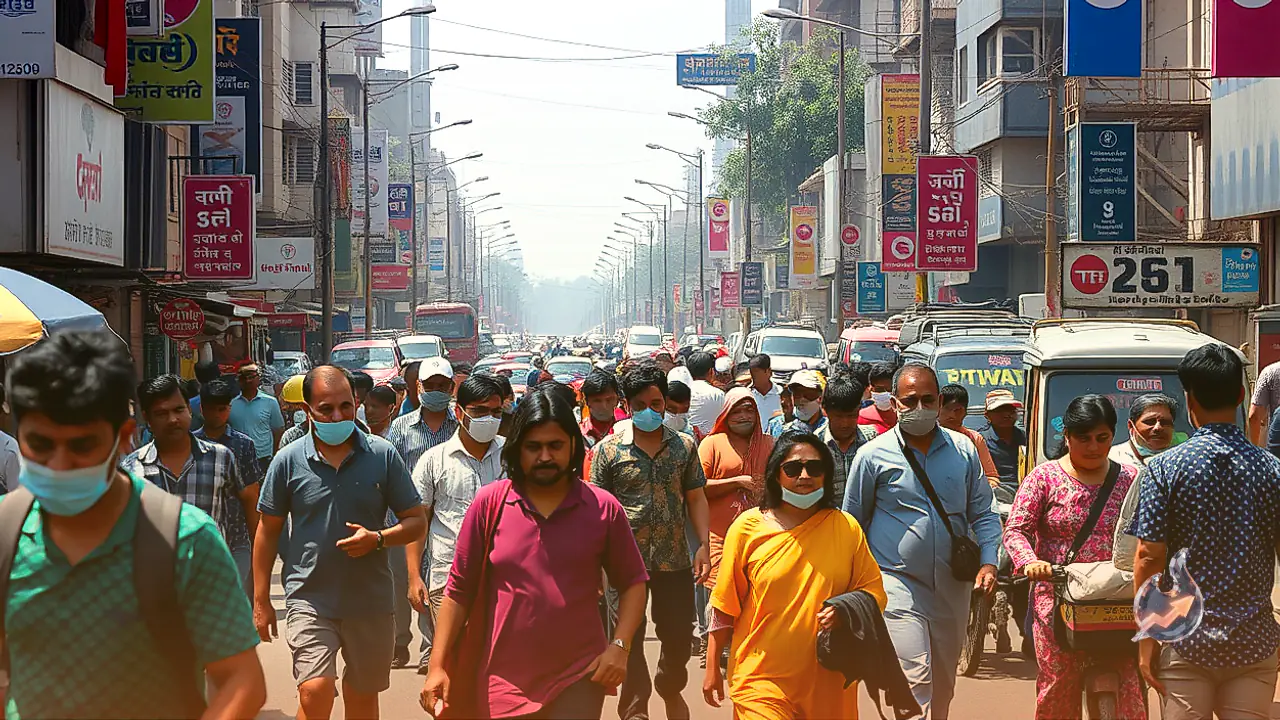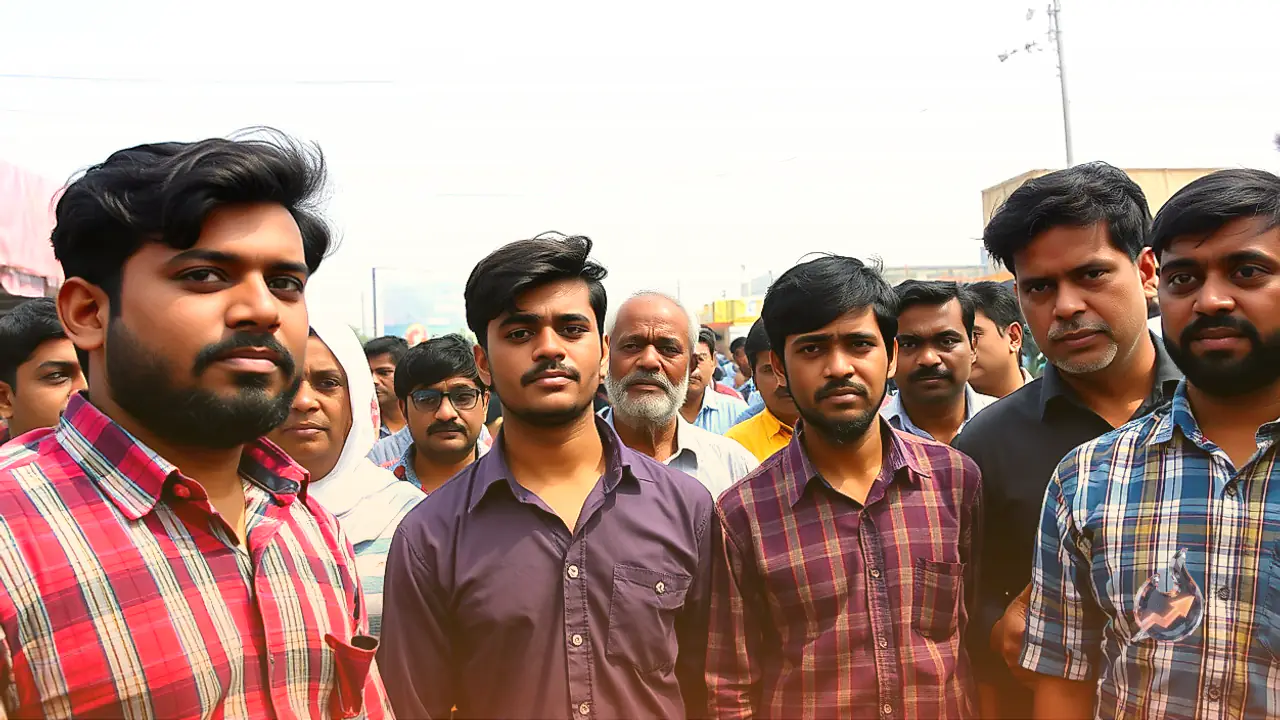





















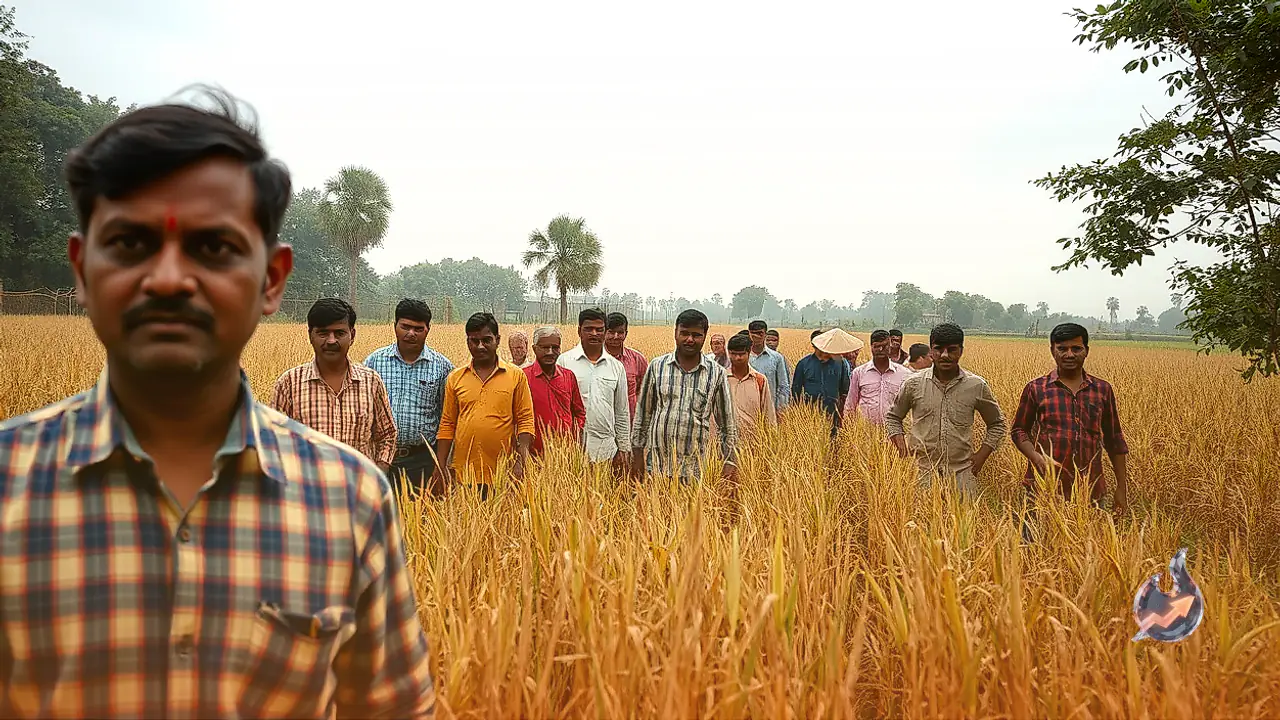

Weak monsoon rains have dealt a punishing blow to rural Maharashtra, pushing agrarian communities into an acute livelihood crisis. Crucial kharif harvests, including cotton, soybean, pulses, fruits, and vegetables, have withered across swathes of parched land. Sugarcane, the state's prime cash crop, faces extensive damage, sharply eroding household earnings. The deepening water deficit has escalated into a comprehensive rural emergency that extends far beyond farmland boundaries.
Early Distress Migration Out of Parched Villages
Sugarcane laborers traditionally migrate in search of seasonal harvesting work around Dussehra or Diwali. This season, acute distress has forced thousands of workers to pack their belongings and depart weeks ahead of schedule. Laborers in Jalna noted that while daily wages outside may turn out lower, migrating guarantees access to essential drinking water that their home villages cannot supply. Landless farm laborers face the brunt of this calamity, having neither land to cultivate nor steady wages, leaving them far more vulnerable than landed farmers who might access crop loss compensation.
Echoes of the Catastrophic 1972 Calamity
Since 1960, Maharashtra has recorded 15 distinct drought episodes, with the 1972 famine widely remembered as the benchmark for sheer rural devastation. State authorities warn that the current moisture deficit could surpass the severity observed during that historic crisis. Elderly villagers who endured the 1972 famine emphasize that aging bodies and diminished reserves leave them ill-equipped to confront another drawn-out catastrophe.
Gaps in Social Welfare Delivery Worsen Vulnerability
Public welfare disbursements and social pensions serve as an indispensable buffer whenever climatic calamities strike subsistence households. However, chronic delays in these transfer mechanisms leave the fragile population stranded without basic resources. In the village of Matephal in Latur district, elderly and disabled residents report that erratic welfare payouts have turned basic subsistence into a punishing daily ordeal.
Relief Allocations and Looming Rabi Prospects
To mitigate rural distress, the Maharashtra government has allocated 6,728 crore rupees for its rural employment guarantee scheme. Farm laborers nevertheless contend that brief spells of temporary manual work cannot sustain families across months of agricultural paralysis. Extensive moisture stress has laid waste to kharif plantings over 1.40 crore hectares, directly hitting an estimated 1.40 crore farmers. Surface and groundwater reserves have depleted so drastically that launching the subsequent rabi sowing season appears practically unfeasible. Given Maharashtra's critical role in feeding national supply chains for pulses, oilseeds, and vegetables, the supply shocks radiating from this regional drought will be felt across Indian markets.