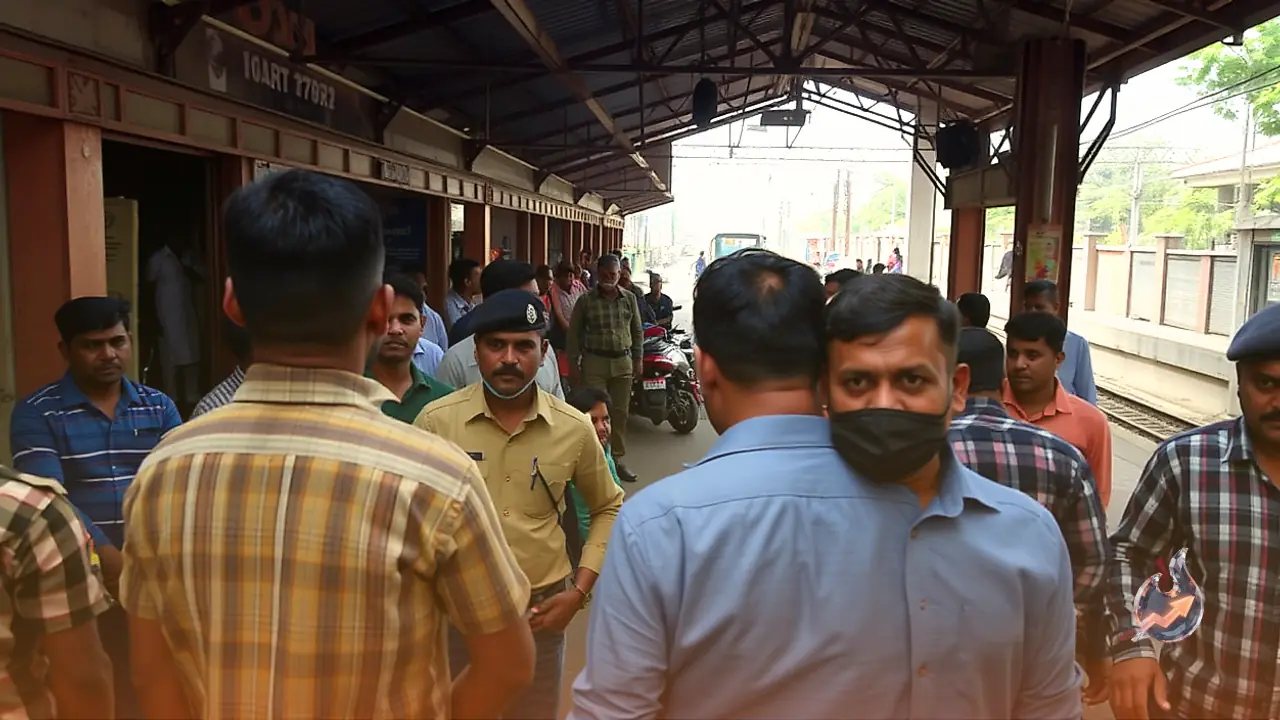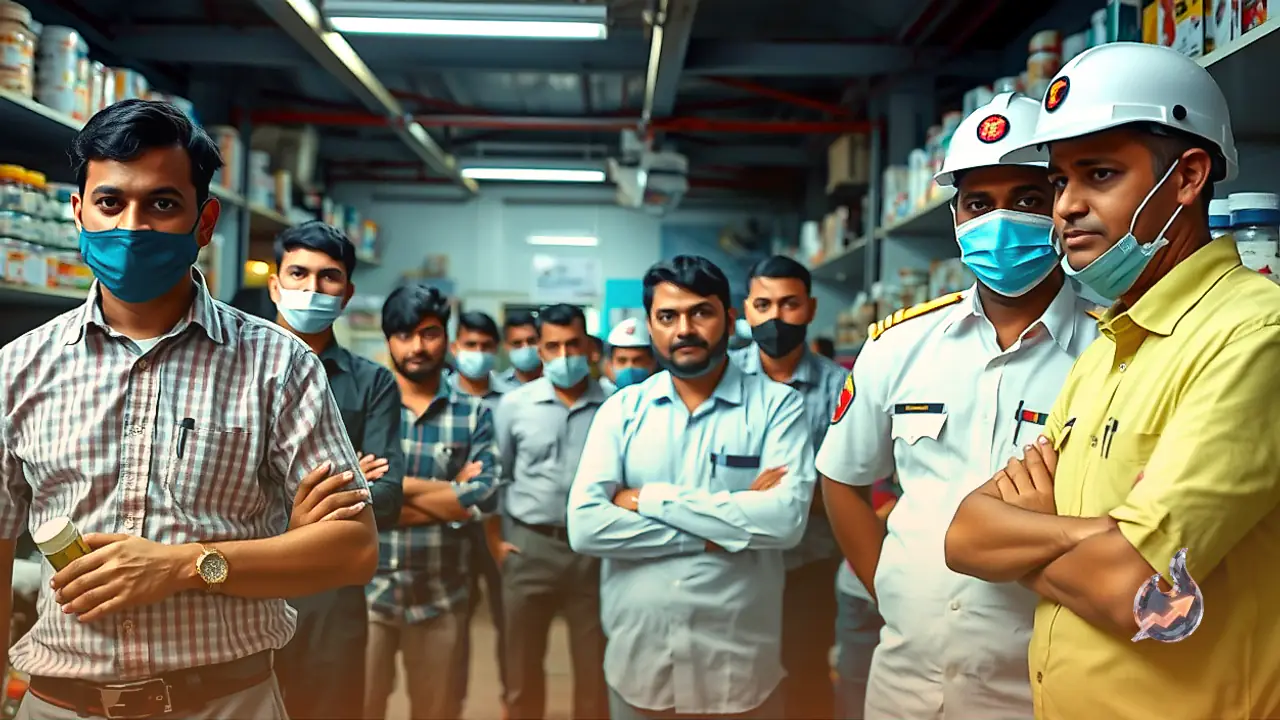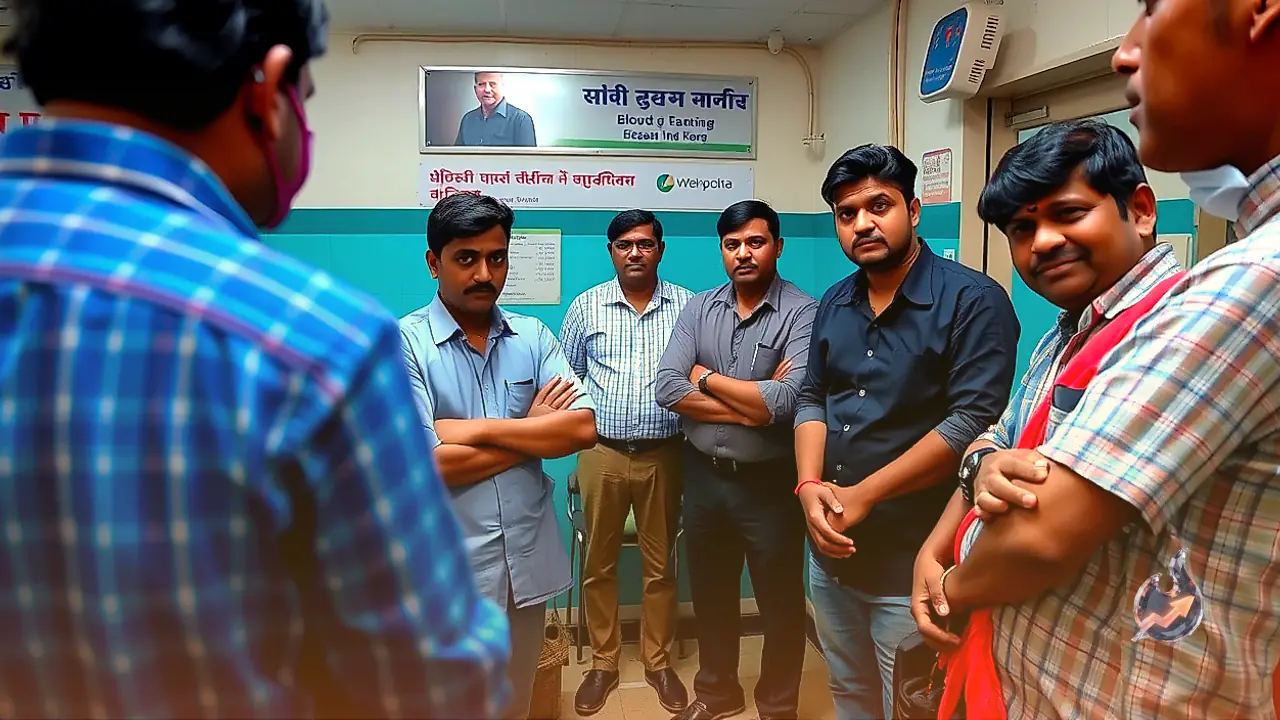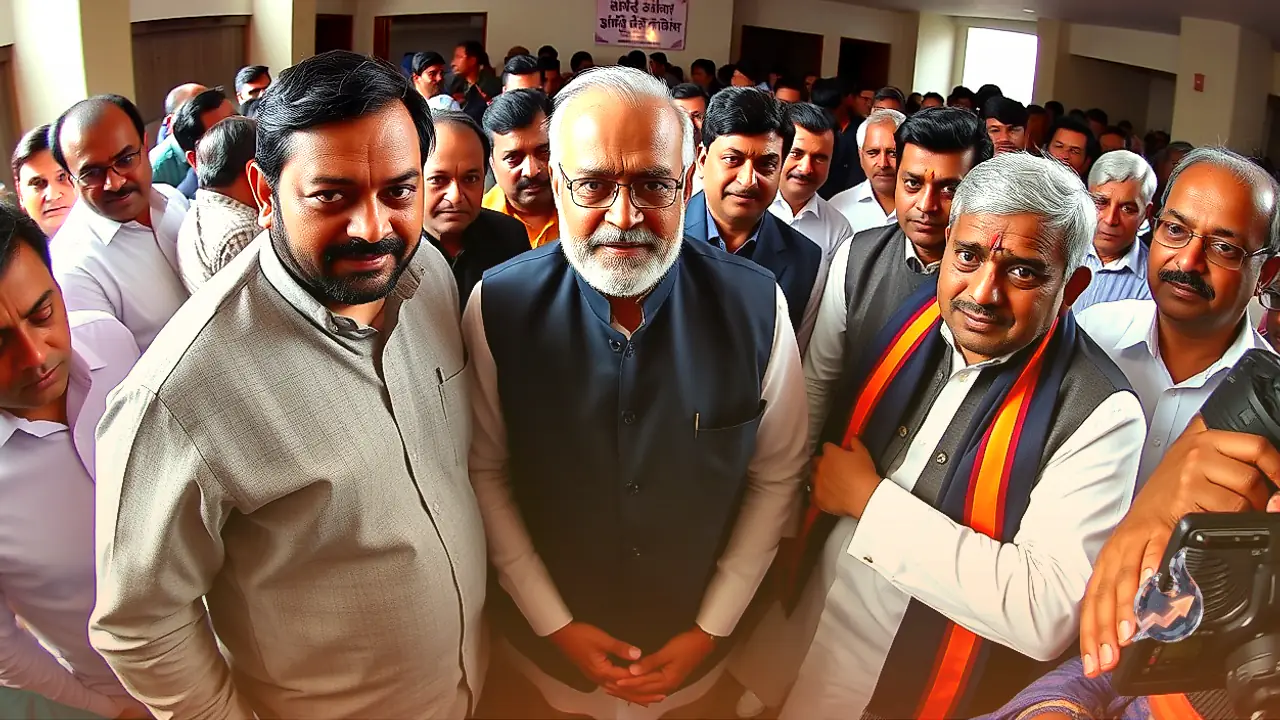



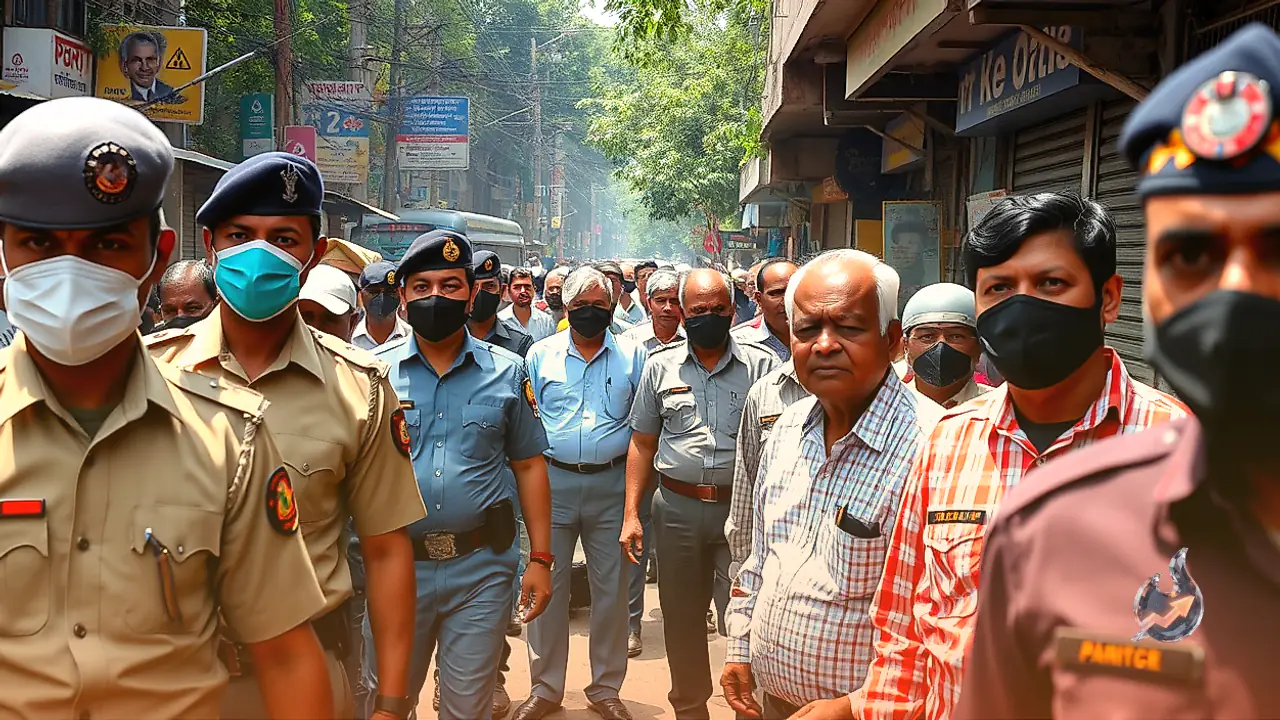















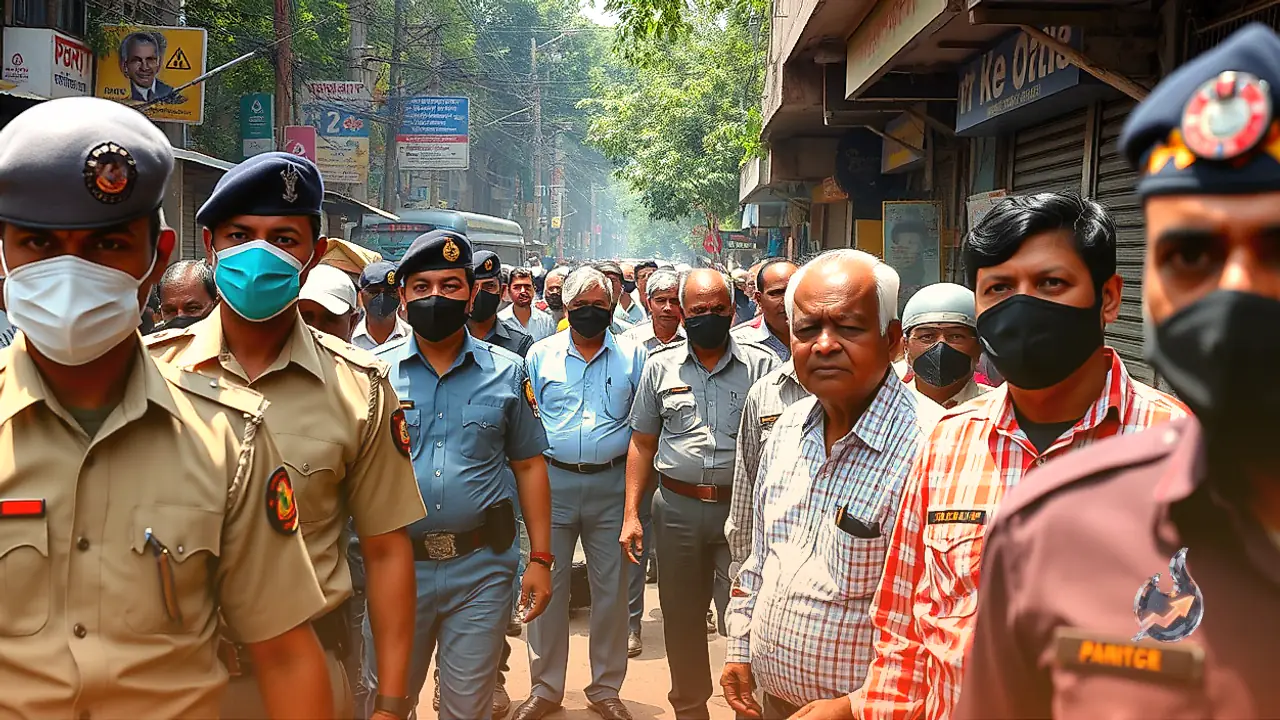

In an aggressive bid to dismantle illicit substance supply chains across the metropolitan region, Mumbai Police executed an intensive two-day enforcement operation on October 14 and 15. The coordinated offensive operated under the broader umbrella of the Nashamukt Bharat Abhiyan and the Drug-Free Mumbai campaign. Law enforcement focused primarily on hunting down habitual offenders, intercepting contraband shipments, and educating residents about the perils of substance abuse. Over the forty-eight-hour period, investigators registered 72 separate criminal cases and took 61 accused individuals into custody under the Narcotic Drugs and Psychotropic Substances Act.
Contraband Seizures Cross 15 Crore Rupees
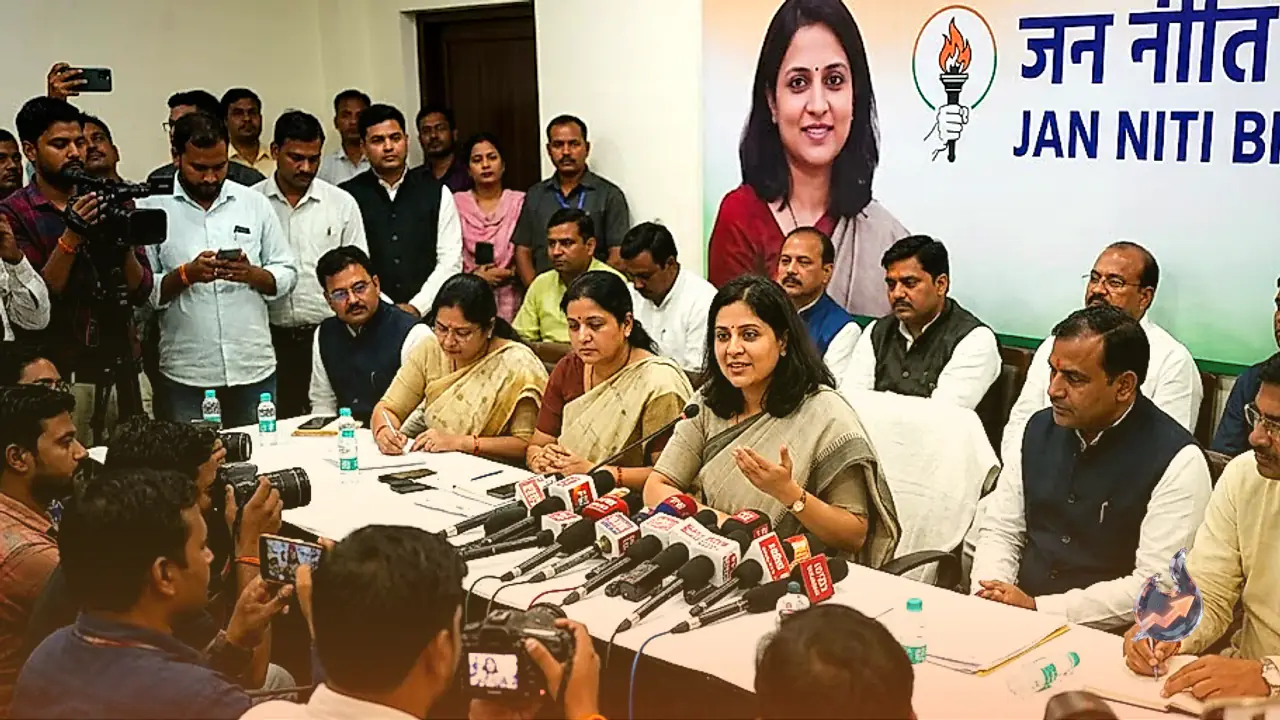
Briefing details of the joint operation, Crime Branch DCP Raj Tilak Roushan and Anti-Narcotics Cell DCP Purnima Chougule noted that the arrested group included 21 wanted absconders who had been evading capture in previous NDPS inquiries. Law enforcement units also apprehended 40 additional suspects wanted across several active narcotics investigations. Raiding teams confiscated diverse prohibited substances and associated merchandise carrying an estimated aggregate valuation of 15.87 crore rupees.
The confiscated narcotics tallied an overall weight of 46.16 kilograms. Laboratory manifests of the haul listed cannabis, heroin, charas, brown sugar, LSD paper, cocaine, hashish, and hydroponic weed. Beyond solid and powdered narcotics, officers intercepted 9,540 commercial bottles of codeine-laced cough formulation that were being illegally diverted into black-market retail networks for recreational misuse.
Stringent Anti-Syndicate Laws Invoked Against Traffickers
To prevent organized syndicates from regrouping, investigators invoked specialized statutory frameworks designed to curtail systemic criminal enterprises. DCP Raj Tilak Roushan stated that five accused individuals tied to a major NDPS case were booked under the Maharashtra Control of Organised Crime Act. Invoking MCOCA enables stringent prosecutorial scrutiny and restricts bail conditions for syndicate members.
Simultaneously, preventative detention mechanisms were executed against persistent offenders. Under the Prevention of Illicit Traffic in Narcotic Drugs and Psychotropic Substances Act, authorities ordered a habitual drug trafficker detained at Nashik jail for a continuous term of one year. Preventive confinements aim to sever distribution chains orchestrated by experienced repeat offenders from within civilian neighborhoods.
Demolition Drives and Crackdown on Tobacco Kiosks
The anti-drug machinery expanded beyond physical detentions into structural measures targeted at the operational bases used by peddlers. Police teams initiated action against properties linked to habitual offenders, resulting in the demolition of 20 residential structures alongside enforcement measures targeting 145 illegal paan and tobacco stalls suspected of enabling illicit sales. Authorities noted that the specific legal procedures governing the razing of these structures remain subject to procedural verification by the designated police officers.
Public Outreach Engages Over 1.8 Lakh Citizens
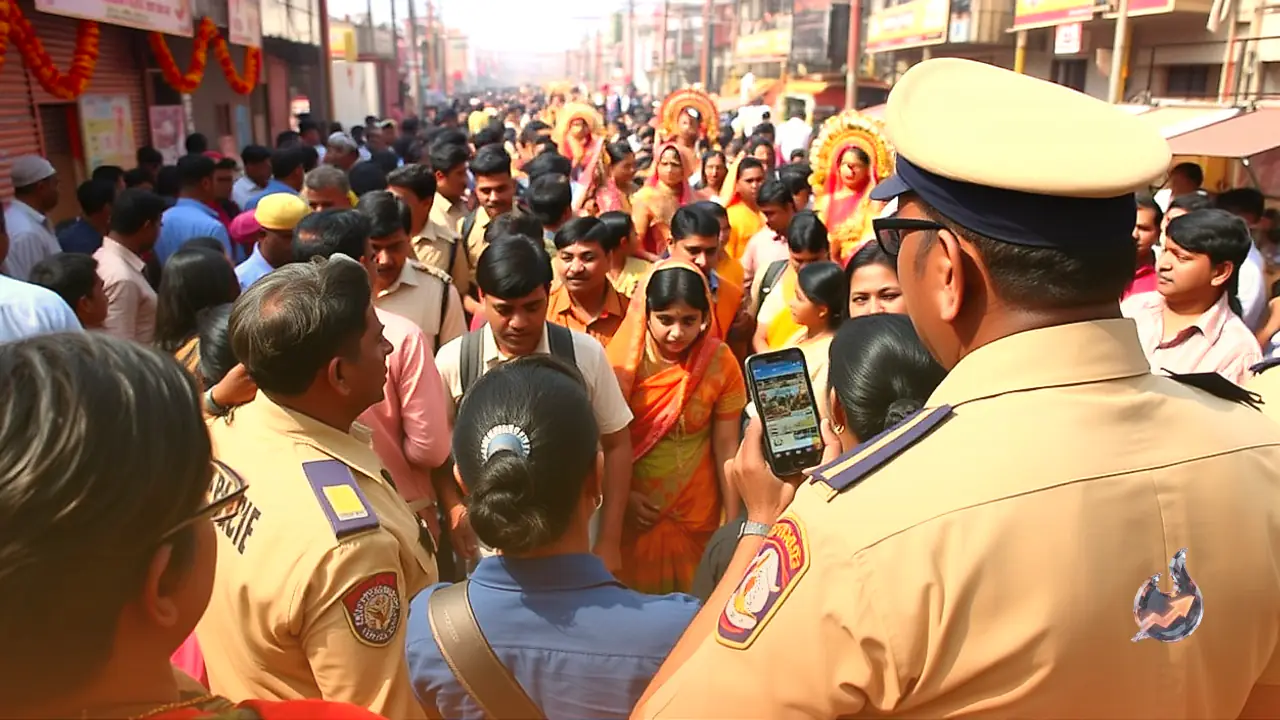
Complementing physical enforcement, the Anti-Narcotics Cell prioritized ground-level community sensitization during peak festive gatherings. DCP Purnima Chougule explained that awareness sessions were rolled out across 9,031 locations, utilizing public footfall at Navratri garba venues, festival marquees, and Ganeshotsav pandals. These educational efforts directly engaged 1,83,108 citizens with instructional briefings highlighting the severe bodily and legal ramifications of narcotics dependency.
Police officials reiterated that this intensive sweep represents an ongoing strategic commitment rather than an isolated initiative, confirming that operations under the Drug-Free Mumbai mission will continue unhindered. Citizens noticing narcotics distribution, warehousing, or retail activity have been urged to report tips immediately to law enforcement to ensure prompt intervention.