




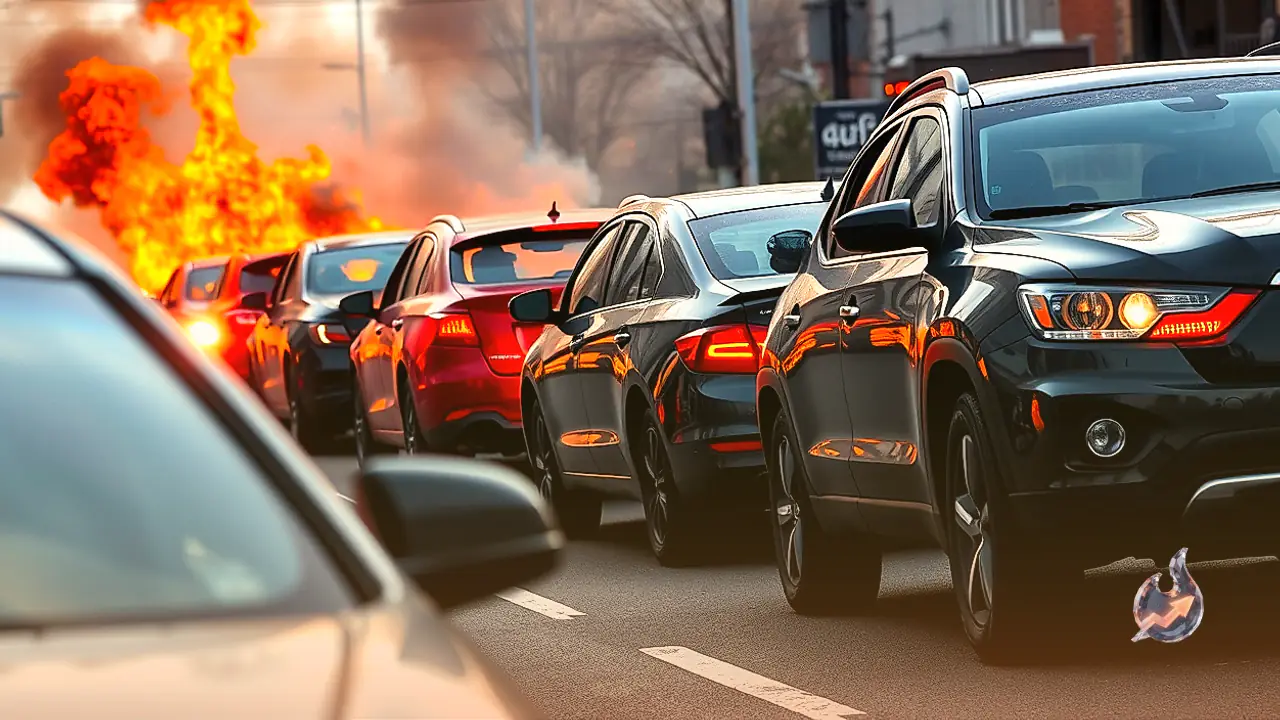

















Spotted smoke billowing from a moving car is one of the most terrifying experiences any traveler can face. Such unexpected fire incidents not only cause massive property damage but can also prove to be fatal. These hazards escalate significantly during intense summer months or on long-distance road trips. With proper awareness and timely precautions, these dangerous accidents can be avoided to a large extent.
Several technical malfunctions and maintenance oversights lie behind vehicle fires. Understanding why cars suddenly catch fire on the road and learning practical ways to protect yourself and your passengers is essential for every vehicle owner.
Primary Causes of Fires in Moving Vehicles
The leading culprits behind vehicle fires include electrical short circuits, fuel or oil leaks, engine overheating, and poor maintenance practices. Worn-out wire insulation, improper wiring jobs, or the installation of aftermarket accessories frequently generate dangerous sparks. When petrol, diesel, or engine oil drips onto hot exhaust components or manifolds, it instantly ignites. Furthermore, low coolant levels or an overheated catalytic converter amplify these risks. Unauthorized CNG kits and general negligence compound these dangers further.
Importance of Timely Servicing and Maintenance
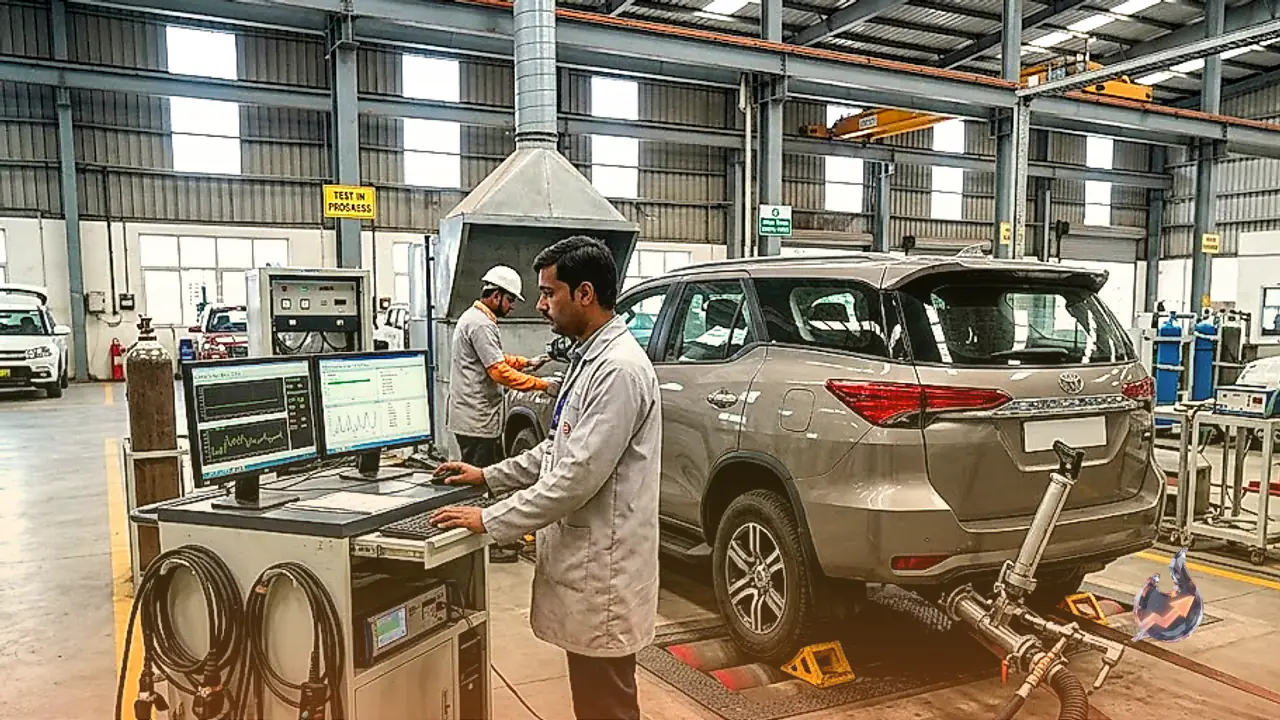
Preventing these disasters starts with strictly adhering to the vehicle manufacturer recommended service intervals. Routine checks of engine oil, coolant levels, fuel lines, and hoses are vital. Small leaks or worn-out components should be replaced immediately without delay. Always get repair work done at authorized service centers to ensure high standards of quality and safety.
Focusing on Wiring and Accessories
Vehicle owners must avoid installing unauthorized or cheap music systems, LED lights, and other low-quality electronic equipment. The internal wiring must utilize proper fuses and high-grade materials. Promptly repair any loose connections or frayed wire insulation. Any aftermarket modifications should be handled strictly by trained and certified technicians.
Regularly Inspecting for Fuel and Fluid Leaks
Always inspect the ground beneath your car for oil or fuel spots after parking. Regularly check the condition of fuel pipes, injectors, and oil seals. Never ignore minor leaks, because fuel hitting a hot engine surface can instantly trigger a destructive fire.
Measures to Prevent Engine Overheating
Maintain the correct coolant level at all times inside the engine bay. During long journeys, pause periodically to let the engine rest and cool down. Keep a constant eye on the temperature gauge on your dashboard. Pay close attention to your brakes and tires as well, since excessive friction can generate dangerous amounts of heat.
Emergency Action Steps During a Car Fire
Always keep a high-quality fire extinguisher inside your vehicle. If you notice smoke or detect a burning smell while driving, immediately pull over to a safe spot, turn off the engine, and get all passengers out of the car. Do not open the hood. Move at least 30 meters away from the vehicle and call emergency services immediately.