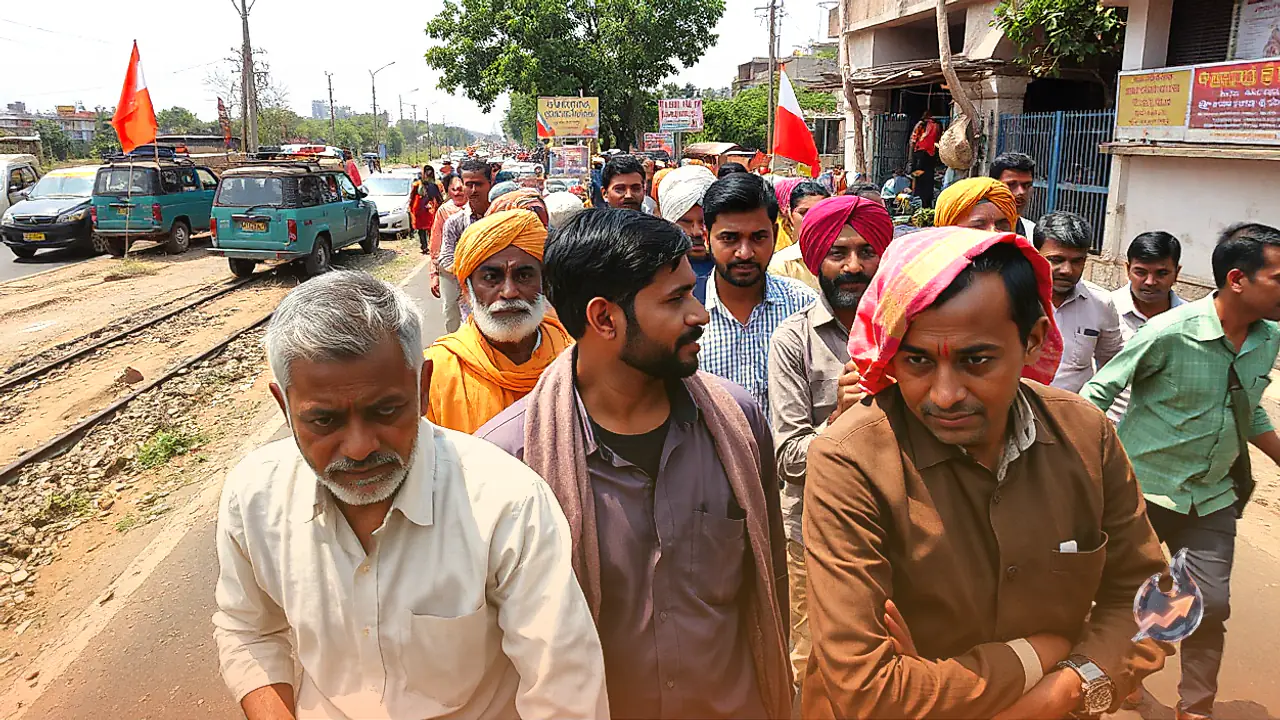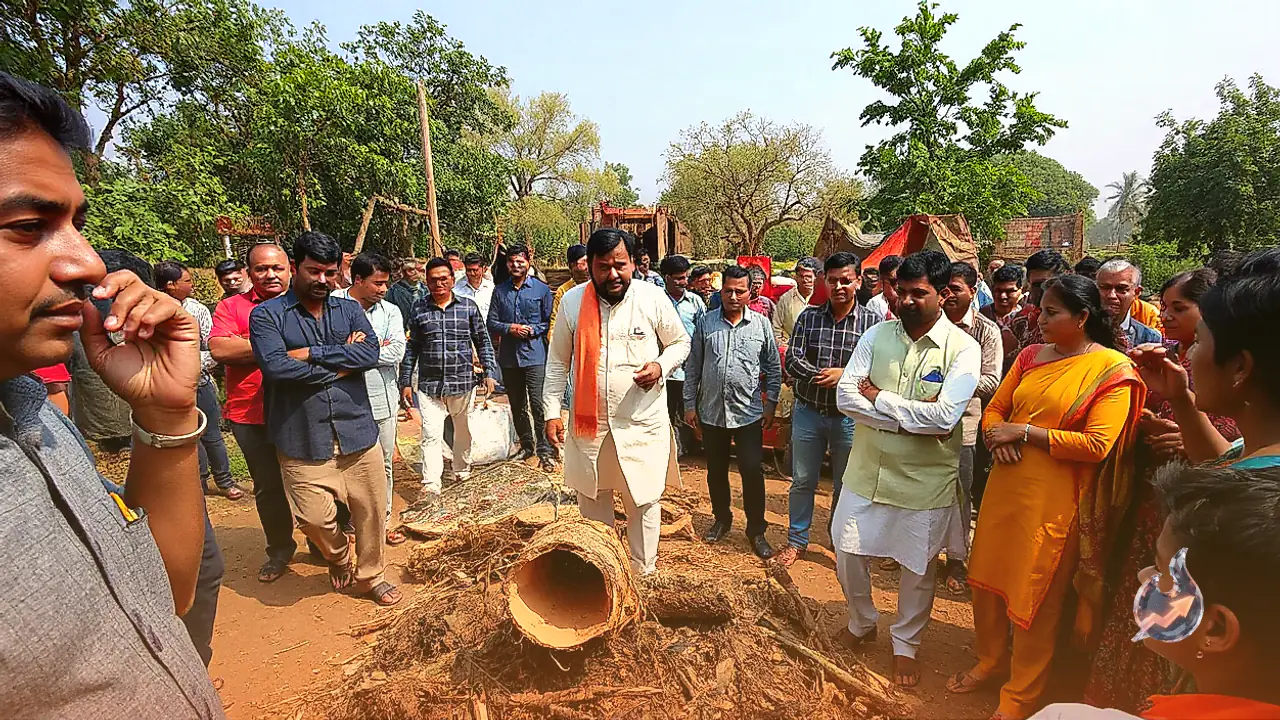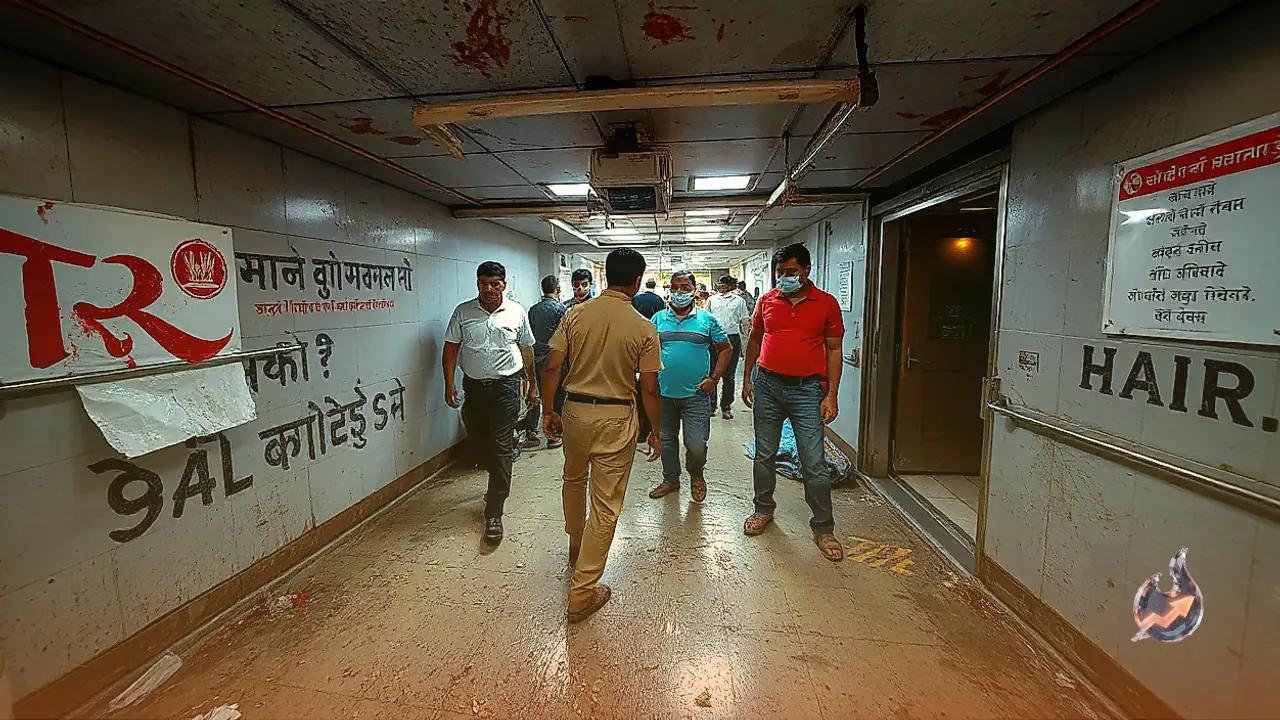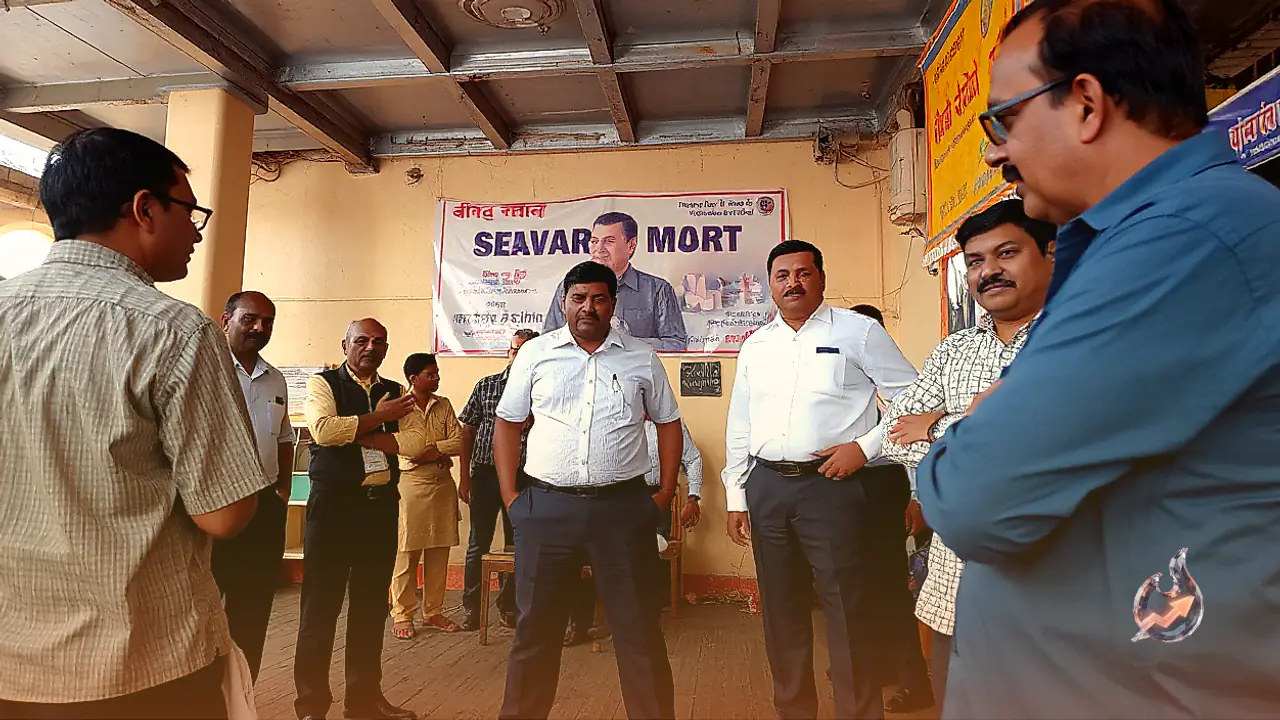

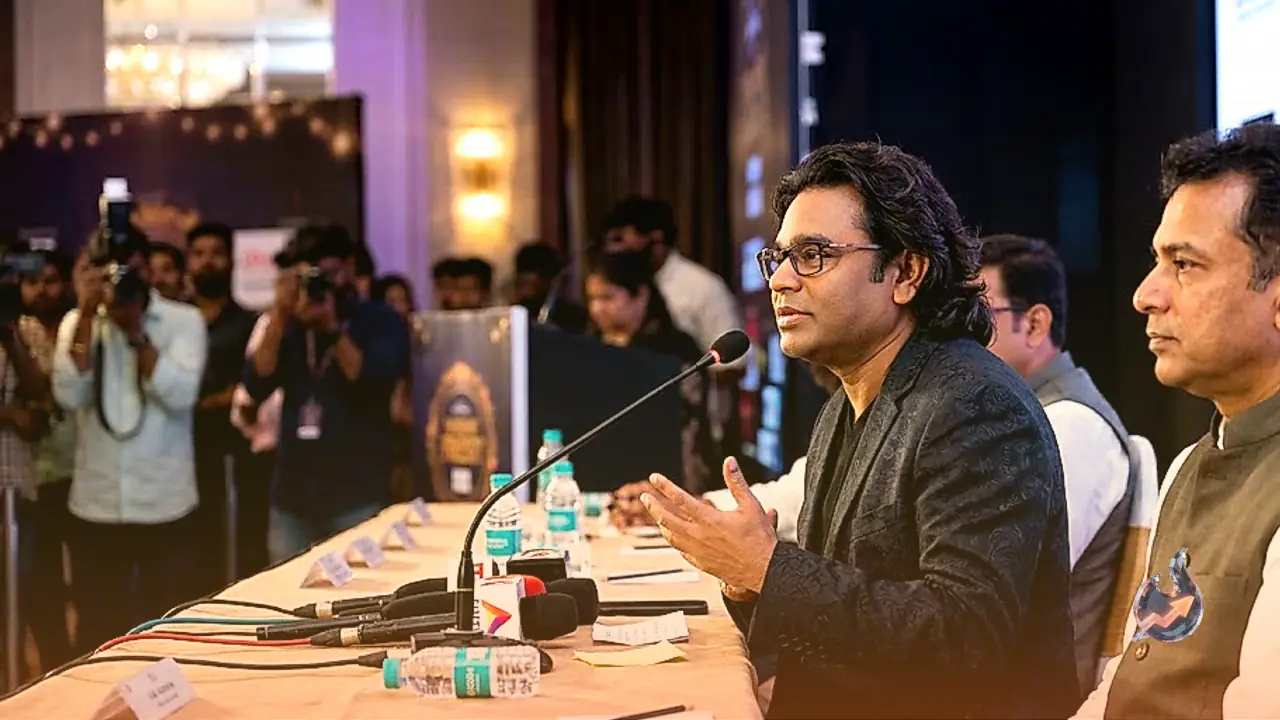


















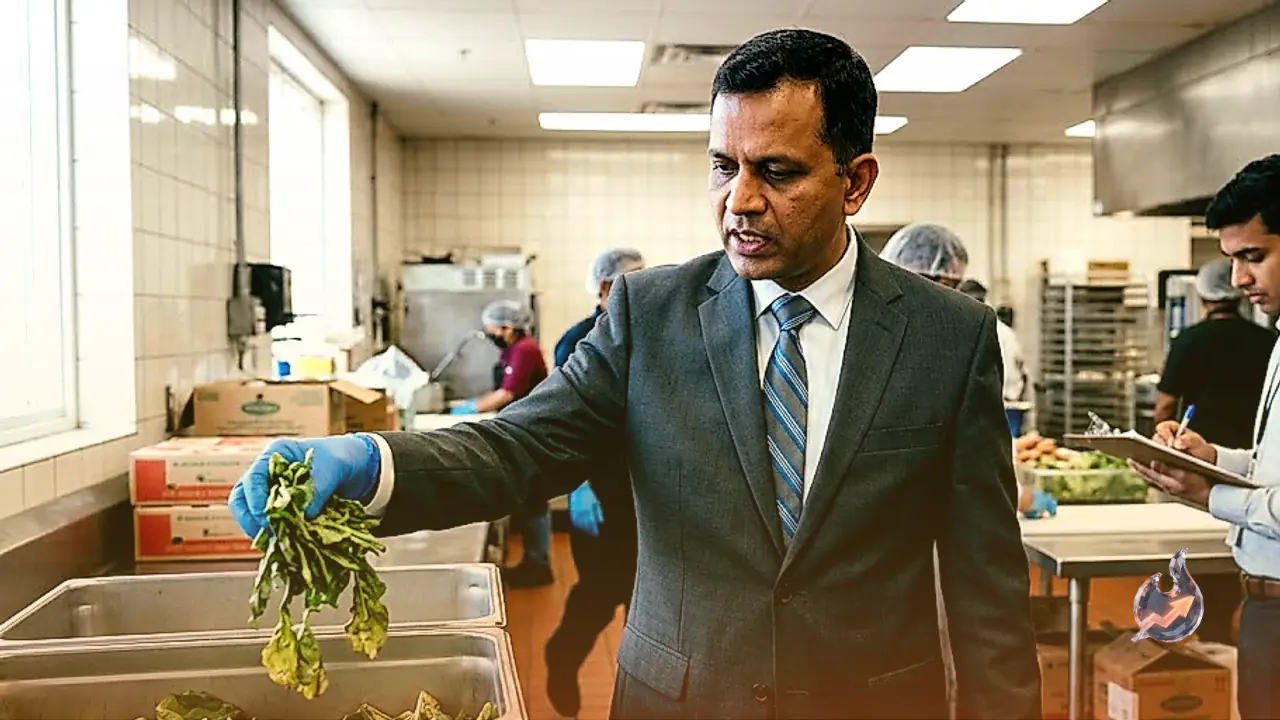

Maharashtra Food and Drug Administration (FDA) Commissioner and IAS officer Tukaram Mundhe shared key insights into his administrative functioning and personal habits during the 'Global Gen Z Summit' held in Mumbai. Known for his uncompromising stance against food adulteration and strict enforcement of hygiene standards, the senior official outlined the core principles governing his team's inspection drives. During the interaction, Mundhe disclosed that he avoids dining out at restaurants with his family, citing the extensive insider information he possesses regarding food preparation standards and safety violations.
Reasons Behind Avoiding Public Dining
Addressing questions regarding how his enforcement actions influence discussions within his household, Tukaram Mundhe offered a straightforward perspective. When asked if family members ever discussed his raids or if actions against popular dining spots resulted in stopping visits to favorite eateries, the FDA Commissioner stated that his family has largely ceased going out for meals. He highlighted that outdoor dining has become extremely rare for his household in recent times.
Elaborating on this personal choice, the IAS officer explained that his position gives him access to significantly more inside knowledge about food processing environments than the general public. Because he receives regular data and internal reports regarding food safety conditions across establishments, he maintains a high level of vigilance when it comes to consuming food outside the home. His comments reflect how his official oversight of public health directly shapes his personal lifestyle choices.
Raid Protocols and Priority on Raw Materials
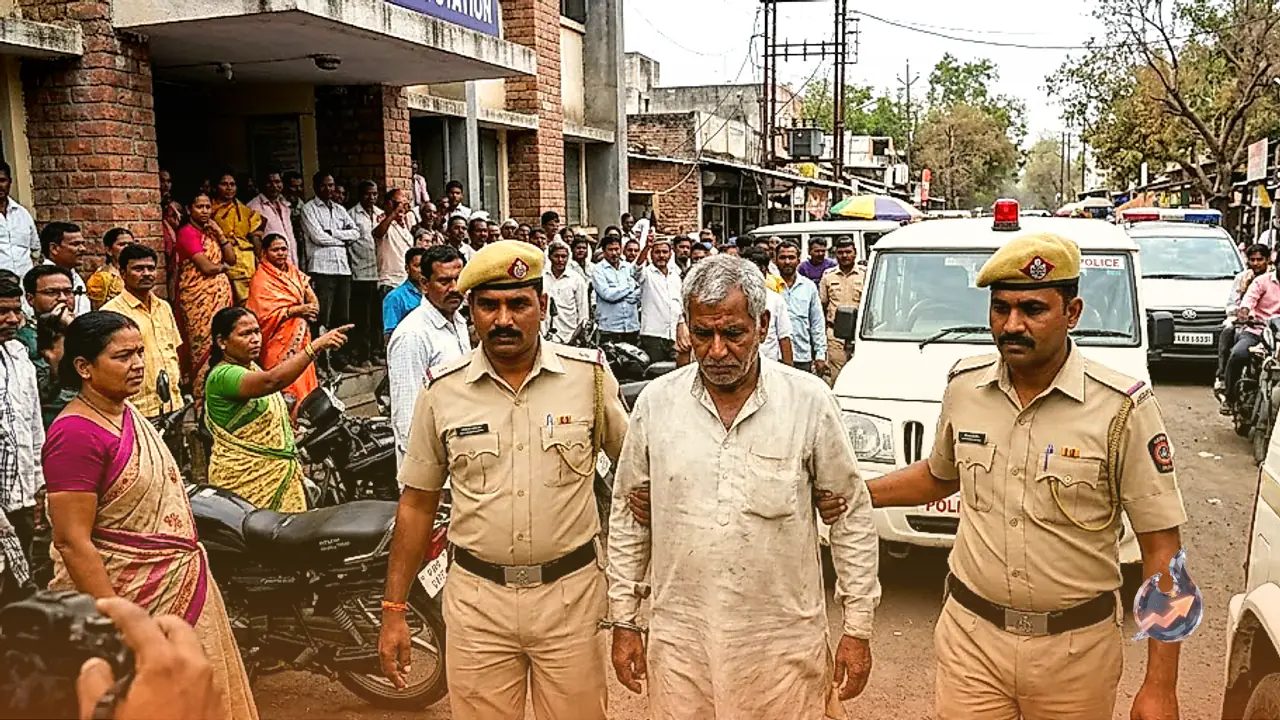
The conversation at the summit also touched upon evolving inspection dynamics, with questions raised about whether cameras and media crews now arrive at raid sites ahead of enforcement officials, potentially leaking operation details. In response, Mundhe focused on the operational directives issued to field teams, explaining that inspectors are required to follow a systematic, bottom-up approach regardless of external publicity.
Mundhe emphasized that determining the safety and quality of any prepared dish requires scrutinizing its primary ingredients first. He instructed inspection officers to examine the condition and quality of raw materials being used in the kitchen before proceeding to any other step. Evaluating the source ingredients provides a clear picture of the hygiene standards maintained by the establishment.
Clarifying the exact sequence of enforcement operations, the Food Safety Commissioner stressed that collecting samples of finished food items is actually the final step of the process. Rather than merely taking samples of cooked dishes for laboratory analysis, the administration prioritizes investigating the entire production chain and raw material inventory to effectively curb food adulteration at its root.