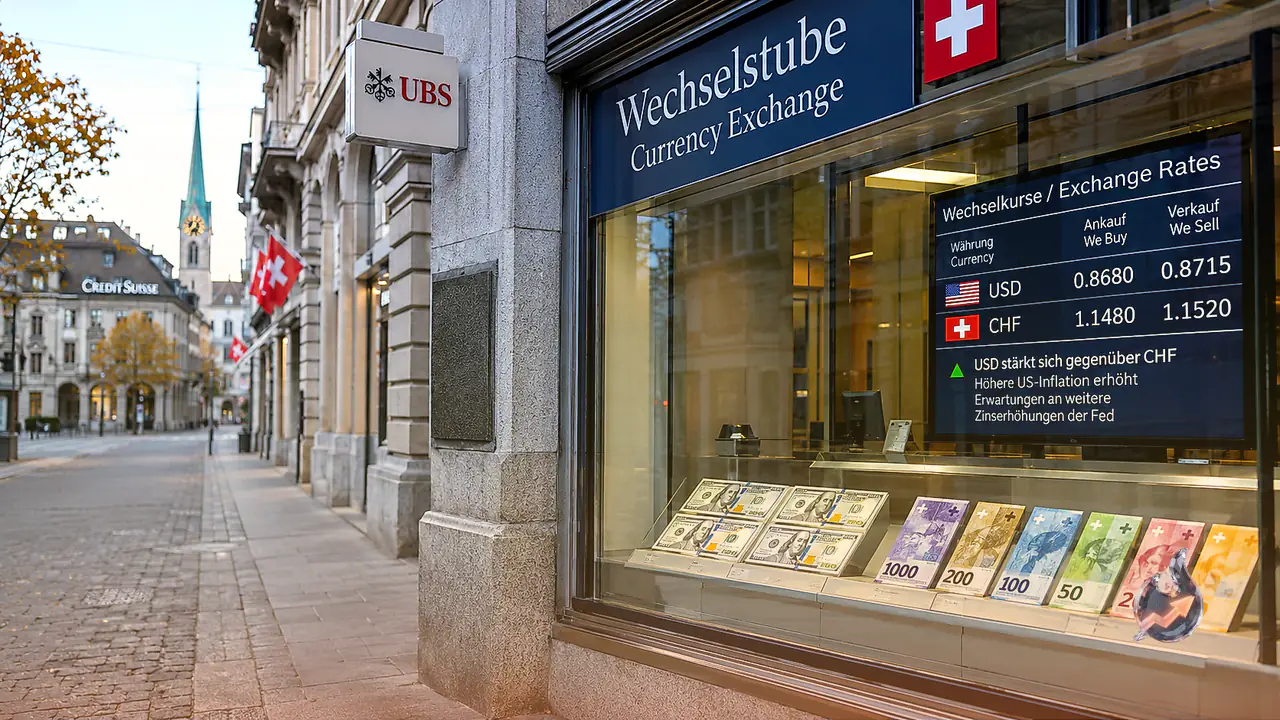
























The British Pound came under renewed selling pressure on Wednesday as the US Dollar capitalized on strong upward momentum driven by hotter than expected inflation figures. During intraday trading, the GBP/USD currency pair made a brief recovery attempt toward the 1.3355 region before sellers pushed prices back toward a one-and-a-half-week low established in the previous session. Despite the persistent downward pressure, spot rates managed to preserve ground above the 1.3300 threshold. The presence of conflicting fundamental drivers across global markets has urged cautious positioning among aggressive currency traders who are closely monitoring macroeconomic shifts.
Federal Reserve Expectations and the Resilient Greenback
The primary catalyst propelling the Greenback higher has been the latest release of United States Consumer Price Index figures, which signaled that underlying inflationary pressures remain stubborn. Adding fuel to the market moves, Federal Reserve official Waller voiced expectations regarding a potential jumbo interest rate increase in December. As aggressive monetary policy expectations take root, bond yields and demand for dollar-denominated assets have surged. The prospect of tighter credit conditions from the central bank continues to widen interest rate differentials, creating a supportive backdrop for the US Dollar against its major rivals.
Bank of England Outlook and Middle East Geopolitics
While the dollar remains well bid, the downside for the British currency has found partial insulation from the Bank of England's relatively hawkish outlook. Policymakers in the United Kingdom remain vigilant regarding domestic wage growth and persistent service price increases, which suggests that rate cuts in London may remain constrained. Meanwhile, international developments are injecting additional volatility into the foreign exchange arena. A geopolitical risk premium remains firmly embedded in pricing due to the unresolved standoff between the United States and Iran, alongside recurring merchant tanker attacks within the vital shipping corridor of the Strait of Hormuz. These flashpoints reinforce safe-haven dollar accumulation. Nevertheless, emerging market hopes of a diplomatic breakthrough to end military hostilities could soon act as a headwind for the dollar, potentially cushioning the pound against steep depreciation.
Global Currency Dynamics and the Canadian Dollar
A broader examination of currency market performance over the trailing seven days indicates that the US Dollar has established clear dominance across the board. The Greenback demonstrated its most pronounced gains against the Canadian Dollar, outperforming commodity-linked peers. In Asia on Wednesday, the AUD/USD pair managed an uptick toward the 0.6900 mark, regaining ground after hitting its weakest valuation since March. While easing geopolitical fears tempered the dollar's immediate ascent, firm commentary from Federal Open Market Committee officials hinting at an impending December tightening cycle is expected to limit any sustained recovery in the Australian currency.
Japanese Yen Intervention Watch and Gold Trajectory
Price action across USD/JPY highlighted growing tension near the 159.00 boundary, where the pair struggled to extend its climb toward a one-month peak. Market participants remain wary of potential currency intervention by Japanese authorities to arrest rapid yen depreciation, while shifting expectations around US-Iran diplomatic efforts have somewhat capped safe-haven demand for the dollar. In precious metals, gold advanced past the $4,050 per ounce level heading into Wednesday's European session, regaining a slice of the heavy losses suffered during Tuesday's selloff. Despite this modest rebound, the outlook for bullion remains constrained because elevated US inflation data reinforces the case for aggressive Federal Reserve policy tightening, diminishing the relative appeal of non-yielding assets.
Cryptocurrency Volatility and Institutional Capital Outflows
Digital currency markets were not immune to the macro fallout sparked by the US inflation print. Bitcoin remained locked in a narrow range around $73,800 after sliding to an intraday trough of $72,727. Institutional participation showed signs of cooling as spot Bitcoin Exchange Traded Funds logged $95 million in net capital outflows on Tuesday, marking four consecutive sessions of net redemptions. Market strategists at K33 Research highlighted that heightened leverage within derivatives markets creates vulnerability for sharp, sudden price swings, urging market participants to exercise discipline amid erratic liquidity conditions.
Crude Oil Disconnect and Structural Inflation Risks
In the energy sector, Brent crude has retreated by roughly one-third since mid-October, largely fueled by speculation that active military conflict involving Iran could reach a negotiated resolution. However, broader supply chain components have not mirrored this price drop. Key operational inputs such as diesel fuel, maritime freight transport, and agricultural fertilizers continue to trade at elevated levels. Because these input expenditures transmit into US retail consumer prices in gradual phases through 2027, underlying cost pressures could keep general inflation uncomfortably high long after vehicle gasoline prices experience relief, creating a complex challenge for central bank policymakers.