





















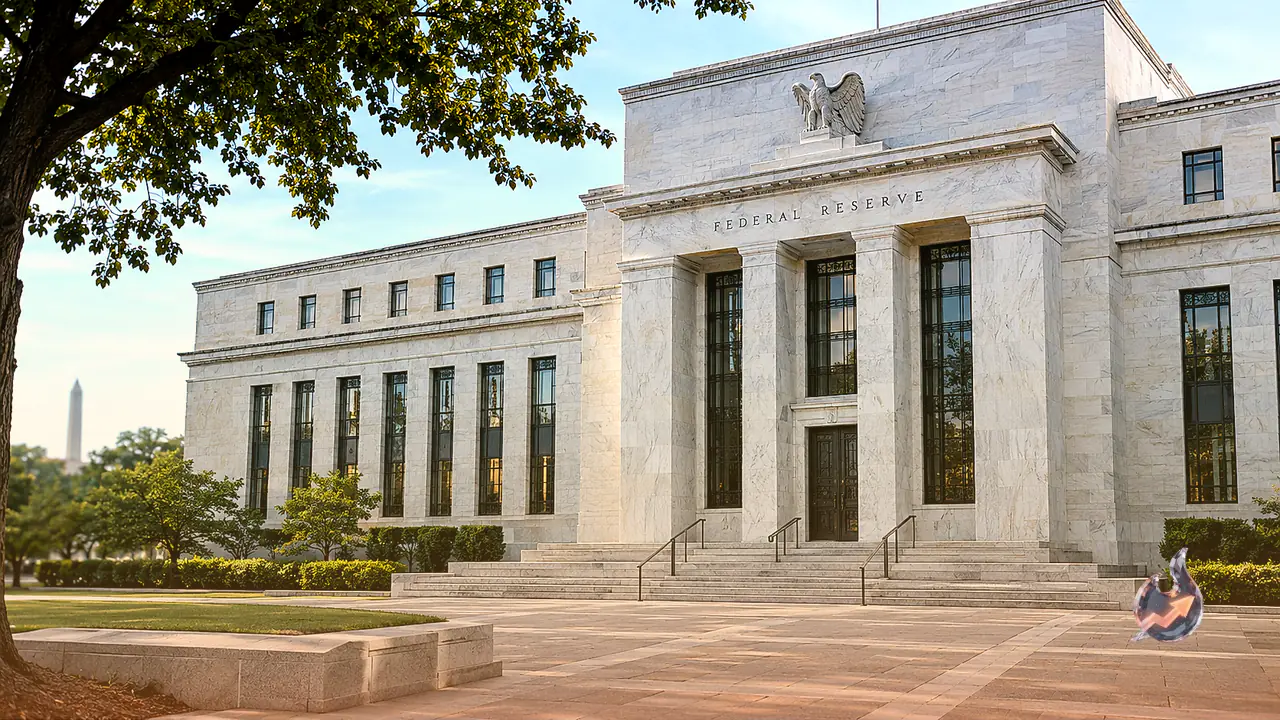

A fresh wave of market volatility has taken hold of global financial assets following hotter-than-expected US Consumer Price Index (CPI) figures and hawkish comments from Federal Reserve officials. Traders have aggressively recalibrated their rate expectations after Fed Governor Waller suggested the possibility of an aggressive catch-up rate hike. Consequently, US Treasury yield curves flattened sharply while currency markets, commodities, and digital assets adjusted to the shifting macroeconomic backdrop.
Yield Curve Bear Flattens as Rate Hike Expectations Rise
Bond markets experienced sharp movements as participants responded to Governor Waller's remarks regarding a potential 50bp catch-up rate increase. The pricing for a Fed rate hike in December moved higher from 25bp to approximately 28bp. Looking further out, market pricing for potential rate hikes in 2027 expanded to 45bp from a previous 34bp baseline.
This shift drove short-term US Treasury yields noticeably higher, triggering a classic bear flattening of the yield curve and causing break-even inflation rates to widen. Financial institutions and traders are now closely monitoring upcoming Fedspeak to gauge whether other members of the Federal Open Market Committee (FOMC) will echo Waller's hawkish tone before pushing December policy expectations even higher.
FX Markets Navigate Dollar Stagnation and Diplomatic Hopes
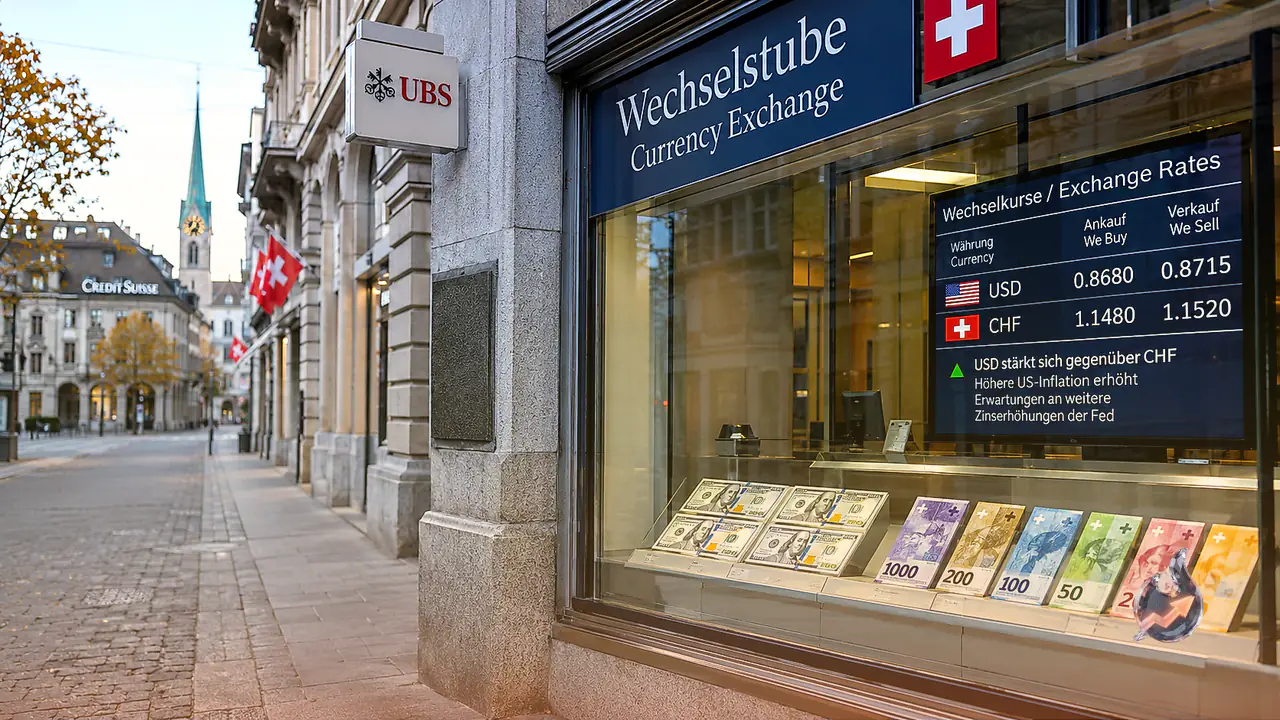
In foreign exchange trading, the US Dollar's inflation-fueled rally hit a speed bump due to emerging hopes surrounding potential US-Iran diplomatic progress. The AUD/USD currency pair managed to edge higher toward 0.6900 during Wednesday's Asian trading session, rebounding slightly from its lowest level since March. Nonetheless, expectations of an impending December FOMC rate hike continue to provide underlying support to the greenback, capping gains for the Australian Dollar.
Concurrently, USD/JPY struggled to extend its rally past one-month highs, remaining pinned below the 159.00 threshold. The Japanese Yen received backing from persistent intervention fears by Japanese authorities, while broader geopolitical diplomacy capped safe-haven flows into the US Dollar.
Gold Attempts Rebound While Bitcoin Faces ETF Outflows
Precious metals saw a partial recovery heading into Wednesday's European session, with spot gold advancing back above $4,050. The yellow metal had suffered significant losses during the previous trading session as hot US CPI figures signaled prolonged monetary tightening. Although diplomatic headlines softened the US Dollar's upward momentum, higher interest rate expectations continue to limit substantial upside for non-yielding bullion.
In the digital asset space, Bitcoin stabilized near $73,800 after dropping to a low of $72,727 following the CPI release. Institutional outflows have accelerated, with BTC spot Exchange Traded Funds logging $95 million in net redemptions on Tuesday, marking four consecutive days of capital flight. Analysis from K33 Research highlighted that building leverage within derivatives markets leaves Bitcoin vulnerable to sharp liquidations and heightened volatility.
Crude Oil Declines Amid Broader Long-Term Price Pressures
Energy markets present a mixed picture as Brent crude prices have plunged roughly one-third since mid-October, driven by optimism that hostilities involving Iran may be drawing to a close. However, underlying input costs such as diesel fuel, freight, and agricultural fertilizers have not mirrored this decline. Analysts warn that these sticky overhead costs will filter into consumer prices in multi-stage cycles through 2027, potentially keeping broader inflation elevated even as retail gasoline prices soften.