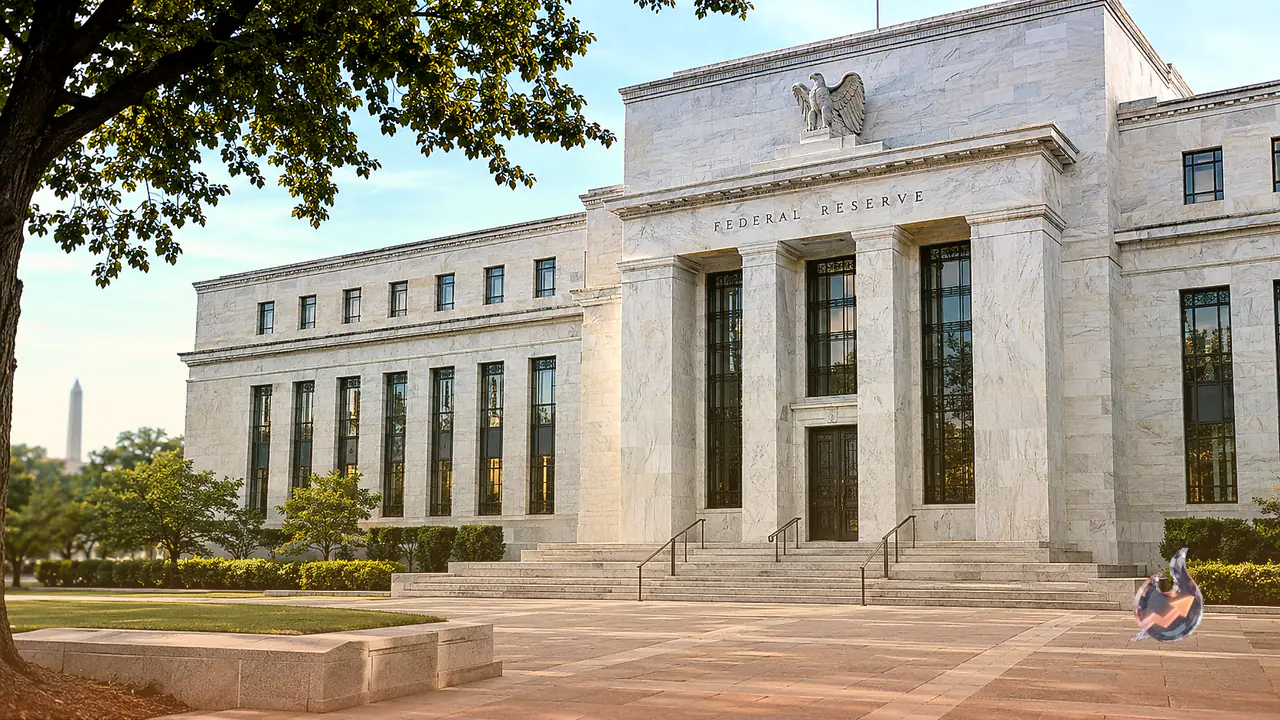


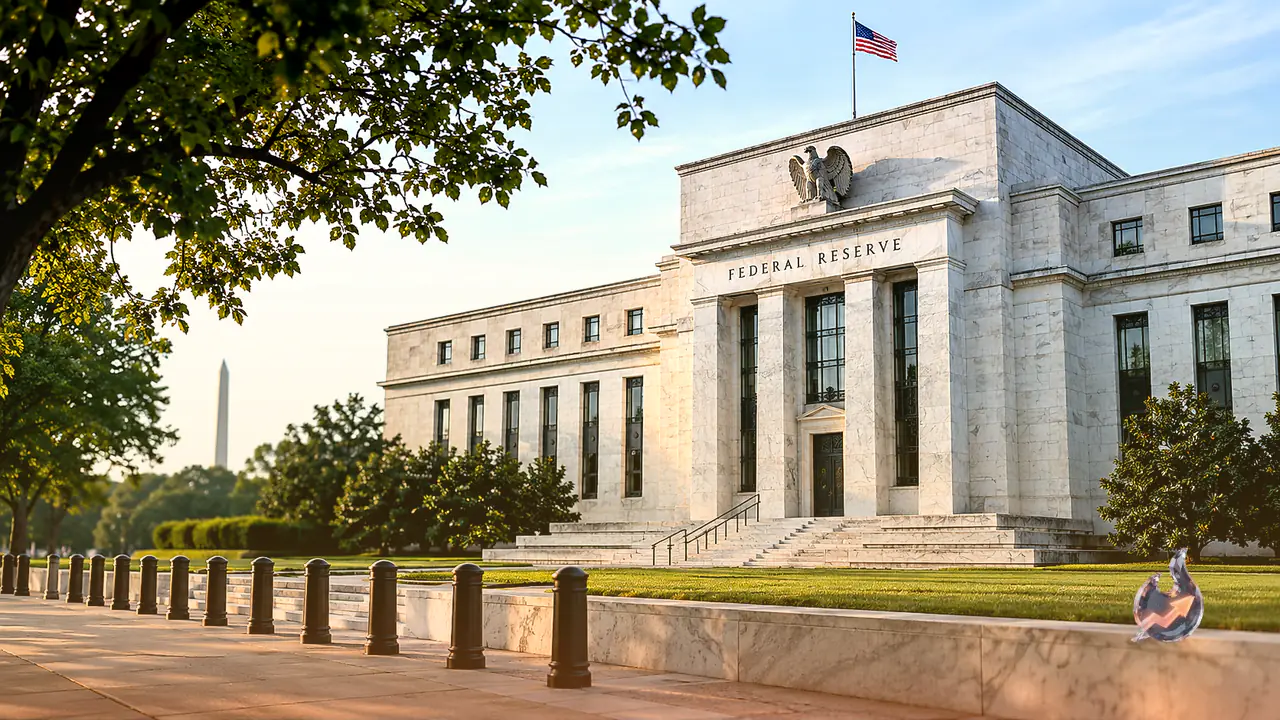





















Persistent price pressures in the United States have sharply altered the direction of global interest rate debates. Market participants are no longer simply debating whether the Federal Open Market Committee (FOMC) will hold rates steady or deliver a standard 25-basis-point hike at its upcoming meeting on December 9. Instead, discussions have rapidly shifted to choosing between a 25-basis-point adjustment or a much larger 50-basis-point policy tightening. Fed funds futures contracts moved quickly to price in as much as a 15 percent probability of a half-point increase on December 9, providing significant upward momentum for the US Dollar.
Hawkish Signals from Monetary Policy Leadership
The aggressive repricing across financial markets aligns directly with a firm policy posture maintained by senior central banking officials. Federal Reserve Vice Chair for Supervision Michelle Bowman outlined a distinctly hawkish perspective on current macroeconomic conditions. Bowman stated, "I am seeing signs that inflation pressures are persisting, while labor market conditions appear to be firming." She further explained that policymakers still have substantial work remaining to bring consumer price increases safely back toward their targeted 2 percent goal. Continued resilience in the labor market alongside stubborn core price trends continues to limit any immediate pivot toward policy easing.
Foreign Exchange Dynamics Across Global Sessions
Currency trading floors experienced immediate turbulence in response to the hardening monetary outlook. The Australian Dollar (AUD/USD) edged higher toward the 0.6900 territory during Wednesday's Asian trading window, clawing back a fraction of the sharp losses that previously sank the currency to its weakest mark since March. While diplomatic optimism surrounding a potential peace arrangement between the United States and Iran momentarily halted the dollar's inflation-driven ascent, hawkish statements from central bank policymakers have virtually cemented another policy hike in December. This structural backdrop heavily favors dollar bulls and will likely restrict sustained gains for the Australian currency.
Simultaneously, the US Dollar struggled to extend its rally against the Japanese Yen (USD/JPY). After climbing toward a one-month peak, the pair encountered stiff resistance that kept prices capped below 159.00. Lingering expectations of potential currency market intervention by Japanese monetary authorities offered baseline support to the Yen. Combined with geopolitical discussions between Washington and Tehran, safe-haven flows into the US Dollar cooled slightly, establishing a narrow trading ceiling for the currency pair.
Precious Metals and Cryptocurrencies Under Tight Leash
Non-yielding assets and digital tokens continue to navigate a difficult macroeconomic environment marked by higher expected borrowing costs. Gold managed to climb past $4,050 per ounce leading into the European session, recouping a portion of the steep declines suffered on Tuesday. However, the scope for an extended bullion rally remains narrow. The combination of hot consumer price indices and expectations of aggressive central bank policy helps the US Dollar preserve the bulk of its gains, capping upside moves for assets that do not generate interest yields.
Digital assets are experiencing comparable headwinds, with Bitcoin hovering around $73,800 after dropping to an intraday low of $72,727 following the inflation announcement. Institutional appetite appears to be cooling, as spot Bitcoin exchange-traded funds registered a net outflow of $95 million on Tuesday, marking their fourth straight day of net withdrawals. Market analysts at K33 Research noted that derivative platforms are accumulating notable leverage, warning market participants that the cryptocurrency remains exposed to the threat of sudden and sharp price swings.
Energy Divergence and Inflation Sticking Through 2027
The commodities complex presents a complex split between headline energy contracts and secondary industrial costs. Brent crude prices have plunged by approximately one-third since mid-October, largely fueled by expectations of a resolution to Middle Eastern hostilities involving Iran. However, downstream inputs including diesel fuel, transportation freight rates, and commercial fertilizer prices have failed to follow crude oil downward. Economists caution that these elevated input expenses tend to work their way into final US consumer price measurements in gradual stages through 2027. Consequently, broader inflationary pressures could remain resilient even as retail motor fuel costs decline, complicating the path for future rate cuts.