























Crude oil prices have experienced a sharp surge in global markets following fresh missile attacks in the Middle East. The upward pressure on prices intensified after a critical oil refinery in Saudi Arabia, the world's leading crude exporter, was targeted. This development has heightened fears of supply disruptions not only across the Middle East but globally, triggering a surge in demand across international trading platforms.
Attack on Saudi Arabian Refinery
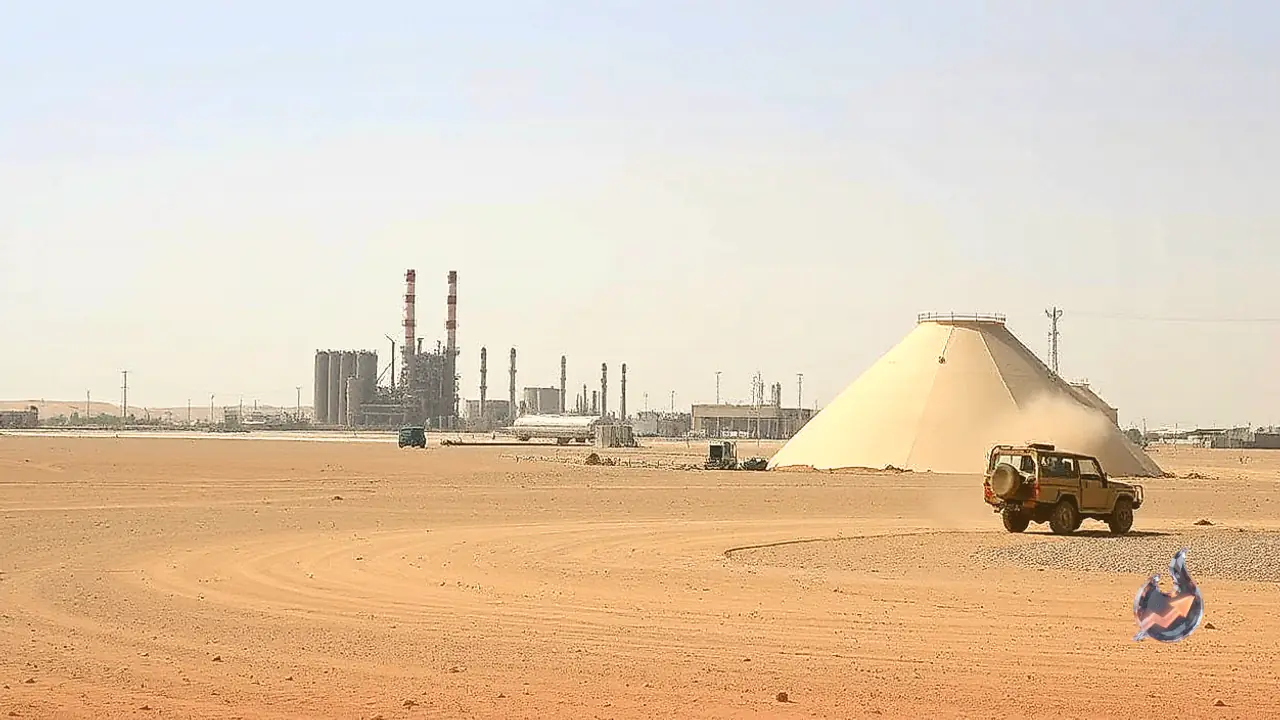
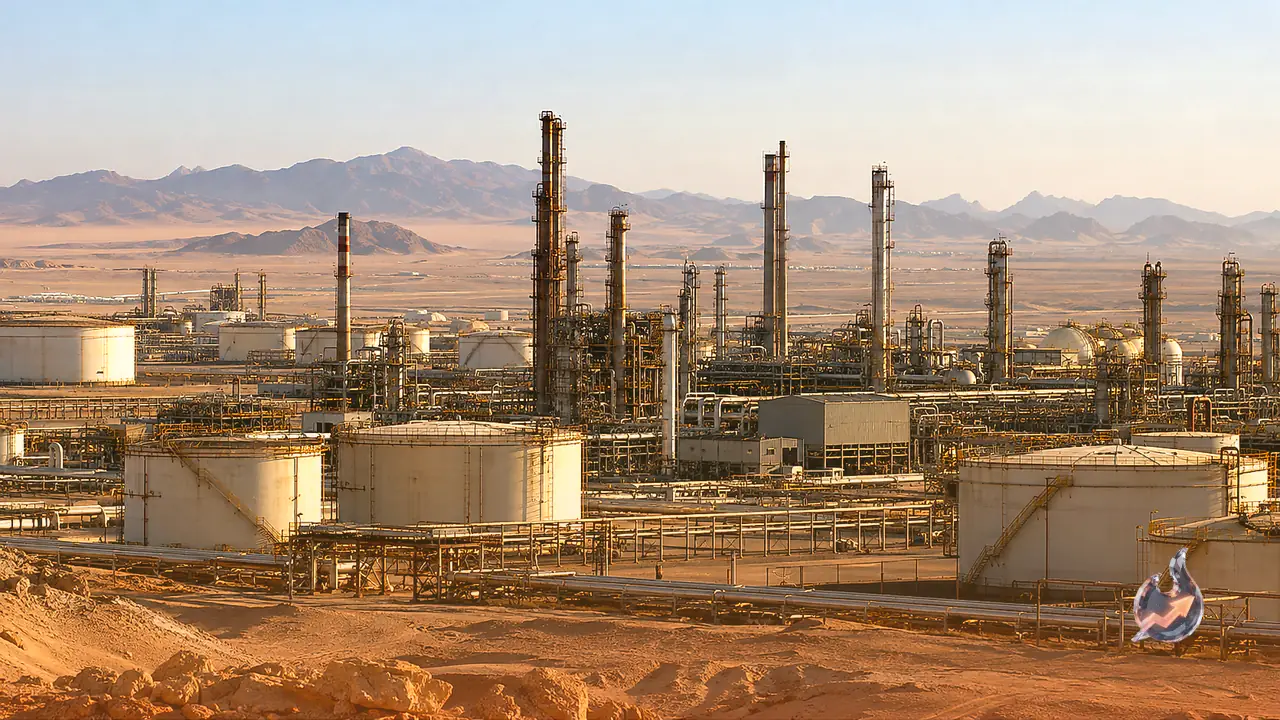
Houthi rebels backed by Iran allegedly carried out overnight airstrikes targeting a Saudi Arabian refinery with a production capacity of 5.5 lakh barrels per day. While official authorities in Saudi Arabia have not yet confirmed the attack, sources indicate that the aerial raids directly impacted production facilities. The escalation in geopolitical tensions has driven up the immediate demand for crude oil across global exchanges.
Movement in Brent and WTI Prices
The impact on market benchmarks was immediate and steep. Brent crude futures climbed by 1.48 dollars to reach 115.36 dollars per barrel on the morning of 28 October. Meanwhile, the American benchmark WTI oil increased by 1.22 dollars, settling at 101.12 dollars per barrel. Just a day prior on Tuesday, oil prices had eased by nearly 2 dollars, but the sudden hostile activity quickly reversed those losses and pushed valuations higher.
Global Supply Risks and Market Impact
Historical precedents show that conflicts in the Persian Gulf and broader disruptions in oil-producing regions frequently trigger explosive rallies in energy costs. The latest incident poses a direct threat to international supply chains and petroleum distribution. Market analysts note that continued security threats to energy infrastructure could keep prices elevated, ultimately exerting severe inflationary pressures on consumer goods and transportation worldwide.