




















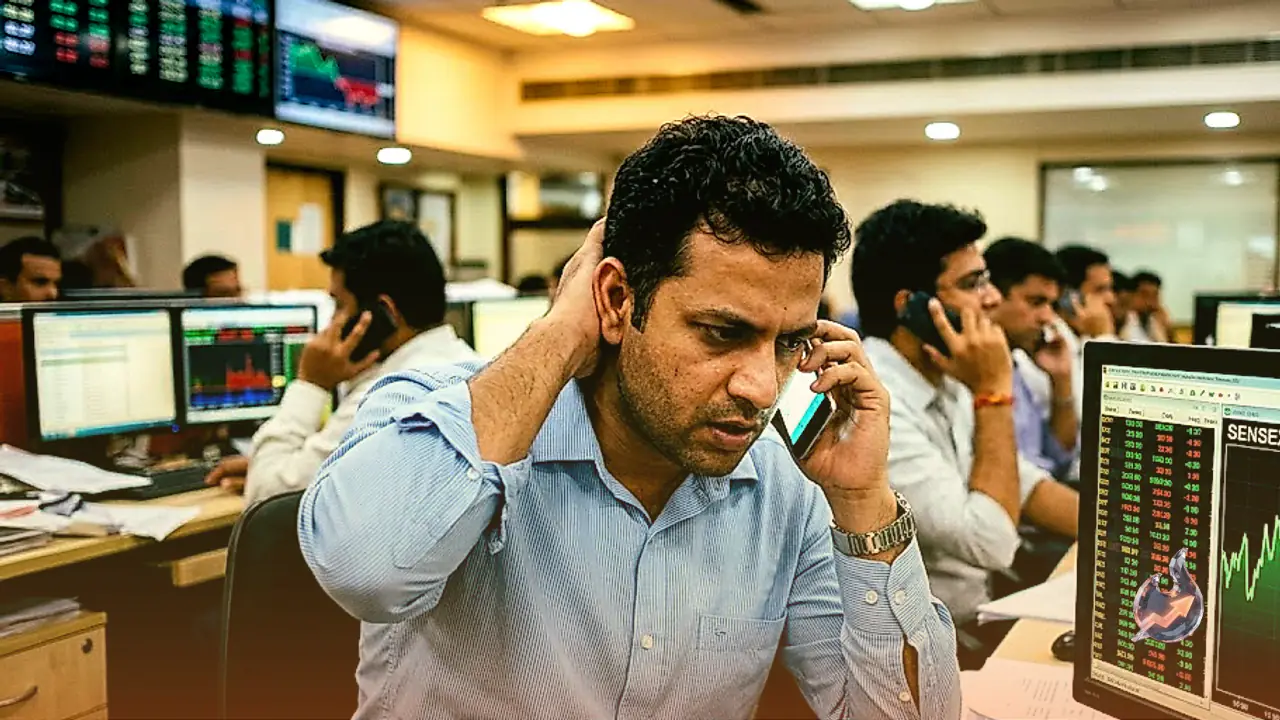

On August 27, extreme end-of-day volatility during the monthly derivatives contract expiration triggered intense discussion across the Indian stock market regarding theoretical windfall returns in option trading. Just moments before the closing bell, the benchmark Sensex experienced a dramatic crash followed by a rapid rebound, leaving investors and market participants stunned. Amid this wild swing, a hypothetical trade breakdown posted on social media highlighted that a 1 lakh rupee bet on the 76,500 Sensex put option could have surged to 44 lakh rupees within a span of just five minutes. The unexpected price action during the market close has reignited scrutiny surrounding newly implemented closing auction mechanisms and overall market integrity.
Social Media Post Sparks Debate Over 44-Lakh Option Return
Trader Vibhor Varshney posted a hypothetical trade setup on the social media platform X, detailing how derivative contracts can expand exponentially during high-volatility expiry sessions. According to his calculation, had an investor bought 1 lakh rupees worth of the Sensex 76,500 put option (PE) at 3:15 PM and exited the position at 3:20 PM, the trade would have generated approximately 44 lakh rupees in profit. Although the original post contained a minor typographical error stating 3:15 AM instead of 3:15 PM, market observers quickly recognized the reference to the afternoon trading session. The calculation gained widespread attention as it coincided with unprecedented index swings recorded during the final minutes of trade.
Over 2,000-Point Sensex Rollercoaster Between 3:17 PM and 3:30 PM
The closing 13 minutes of the trading session witnessed frantic movement in the benchmark index. At 3:17 PM, the Sensex was holding relatively steady around the 77,200 level. However, within the next six minutes, by 3:23 PM, the index plummeted by over 2,000 points to touch a low of approximately 74,983. This sharp decline caused put option premiums to skyrocket. The dramatic sequence did not stop there: over the subsequent seven minutes leading up to the 3:30 PM close, the Sensex staged a ferocious recovery of nearly 2,000 points to settle at 76,934. Despite the late rebound, the index ended 539 points lower compared to Wednesday's closing level.
Heavyweight Constituent Stocks Experience Extreme Price Swings
The intense turbulence was not restricted to the index alone; it directly impacted heavyweight constituent stocks that carry significant index weightage. Reliance Industries saw its share price move wildly within a seven-minute window, dropping from roughly 1,289 rupees down to 1,250 rupees before mounting a swift recovery to close at 1,286 rupees. Similar high-amplitude price swings at market close were observed in other top-tier counters including HDFC Bank, ITC, and Bharti Airtel, leading to rapid re-pricing of option contracts linked to these underlying assets.
Closing Auction Session (CAS) System Under Scrutiny
The extraordinary price action has raised questions about the operational impact of the Closing Auction Session (CAS) introduced by the Bombay Stock Exchange on August 3. Designed to determine closing prices more accurately and minimize late-session price manipulation, the CAS framework applies to 200 stocks that have active equity derivatives trading. Non-derivative stocks continue to use the traditional Volume-Weighted Average Price (VWAP) method. Since the introduction of CAS, market participants have noted increasingly sharp and unusual index movements between 3:15 PM, right before the auction commences, and the official 3:30 PM market close across both Sensex and Nifty.
SEBI Enforcement Action and Penalties Against Copthall Mauritius
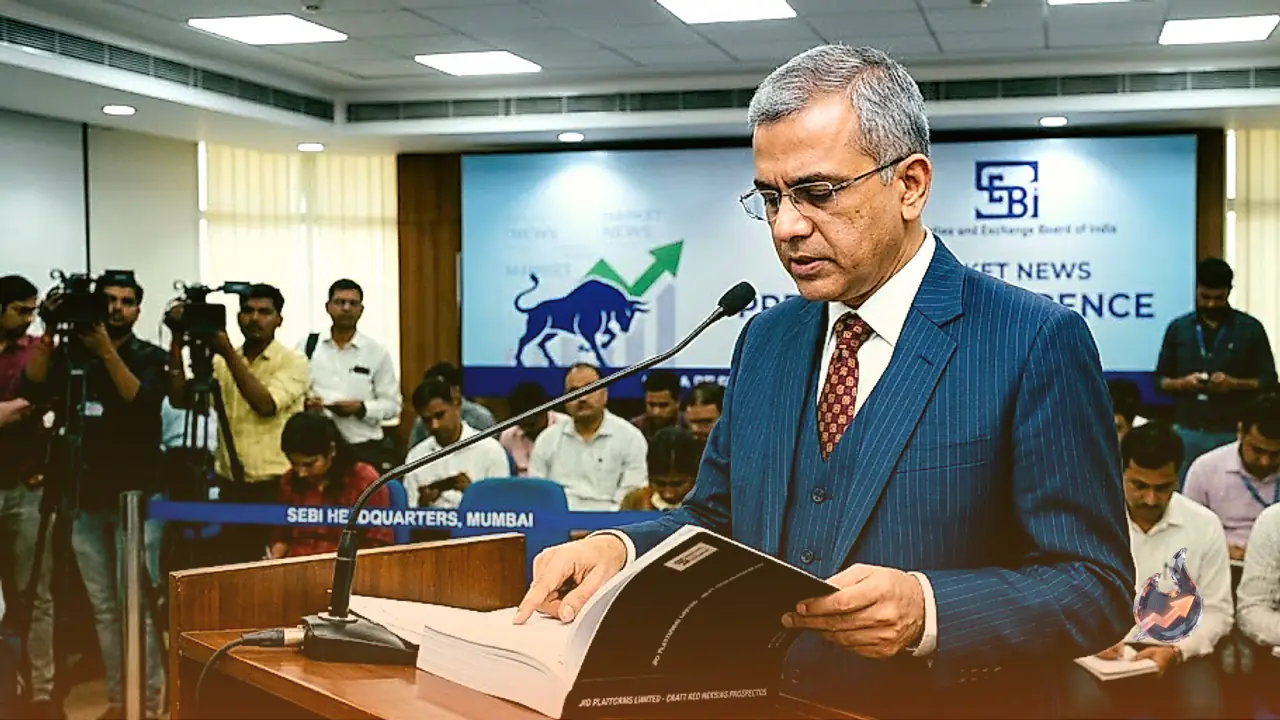
This surge in end-of-day volatility comes amid heightened regulatory vigilance by the Securities and Exchange Board of India (SEBI). Just last week, the market regulator took firm enforcement action against Copthall Mauritius, an entity linked to JP Morgan, for alleged price manipulation involving Sensex and its constituent stocks. SEBI barred the entity from accessing the securities market and ordered the disgorgement of approximately 3.8 crore rupees in alleged illegal gains. Against this backdrop of heightened regulatory enforcement, Thursday's erratic market closing window has drawn close observation from market analysts and institutional investors alike.