





















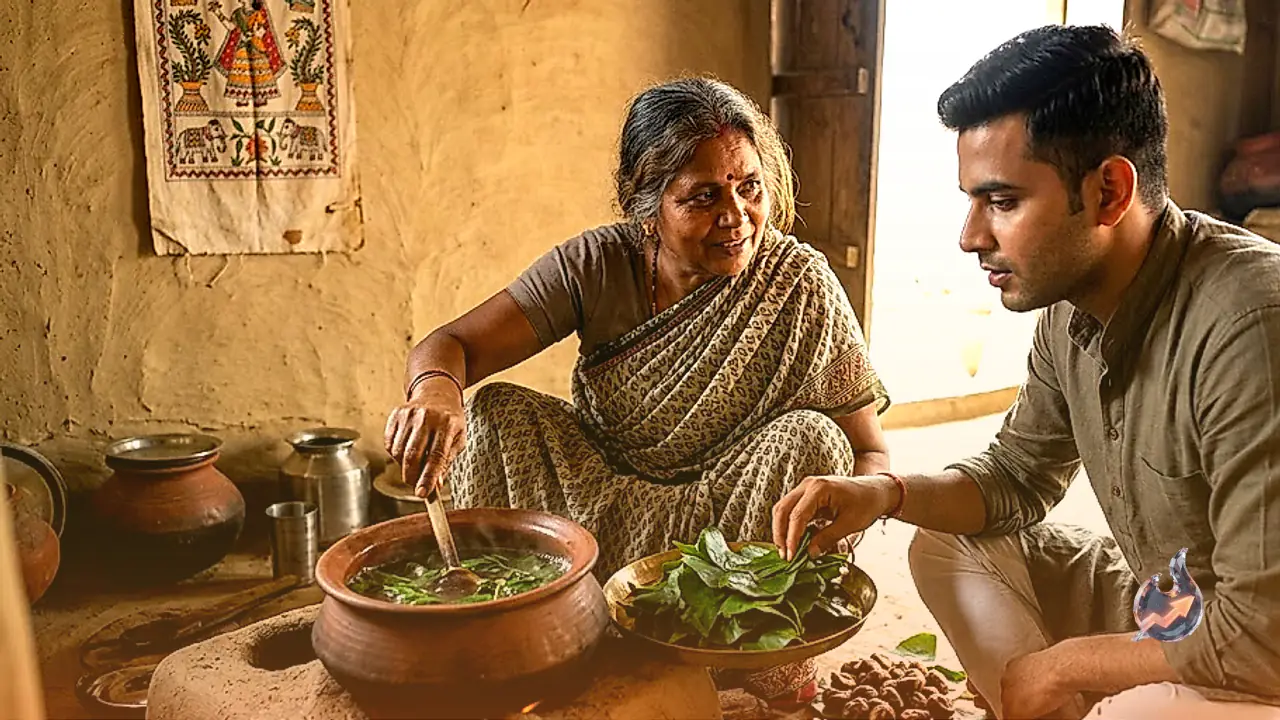

Rapid fluctuations in weather conditions often bring a surge in seasonal health issues across all age groups. Children, adults, and the elderly frequently experience symptoms such as coughing, runny noses, throat irritation, and body fevers. While modern pharmaceutical drugs are commonly sought for quick relief, traditional herbal remedies passed down through generations remain widely trusted in rural households. In the Madhubani region of Bihar, a traditional decoction prepared using water chestnut leaves has long been relied upon to combat seasonal cold, cough, and fever.
Understanding Seasonal Health Challenges and Herbal Solutions
Sudden shifts between rain and sunshine put significant stress on the human immune system, making individuals vulnerable to respiratory discomfort and bone fever. According to local elders in Madhubani, ancestral herbal preparations provide natural relief without adverse side effects. The unique blend of ingredients in this traditional recipe is believed to target the root cause of seasonal ailments, helping clear lung congestion and restore physical strength during weather transitions.
Key Ingredients Required for the Preparation
Preparing this herbal decoction requires easily accessible kitchen spices along with fresh plant leaves. The core ingredients include water chestnut leaves, holy basil leaves, black pepper, and cloves. Additionally, small quantities of common salt, sugar, and tea leaves are incorporated to balance the flavor and enhance efficacy. The therapeutic effectiveness of any traditional decoction depends heavily on maintaining the correct proportion of herbs. Knowing the right balance ensures optimal health benefits.
Step-by-Step Cooking Process and Timing
To begin making the decoction, lightly crush the black pepper and cloves using a mortar and pestle. Take water in a cooking vessel and add the water chestnut leaves, holy basil leaves, crushed black pepper, cloves, salt, sugar, and tea leaves. Place the pot on a stove and let the mixture boil continuously for 10 to 15 minutes. It is essential to cook the liquid until it reduces to half of its initial volume. For instance, if you start with half a liter of water, continue boiling until only one-quarter liter remains. Once reduced, turn off the heat, strain the liquid into a cup, and consume it warm.
Daily Consumption Guidelines and Medical Precautions
Many individuals turn to over-the-counter pharmaceuticals simply because preparing fresh herbal brews multiple times a day requires extra effort. To overcome this inconvenience, a larger batch of the decoction can be prepared once in the morning and stored for later use. Whenever required during the day, simply reheat a portion before drinking. However, if symptoms of cold, cough, or fever persist despite using home remedies, it is imperative to seek prompt medical attention from a certified doctor.