
























The Dow Jones Industrial Average trades lower near session lows, pressured by a combination of escalating geopolitical tensions and cooling economic data. The prominent index recently pulled back significantly as market participants reassessed monetary policy paths.
Persian Gulf Escalation and Crude Oil Pressures
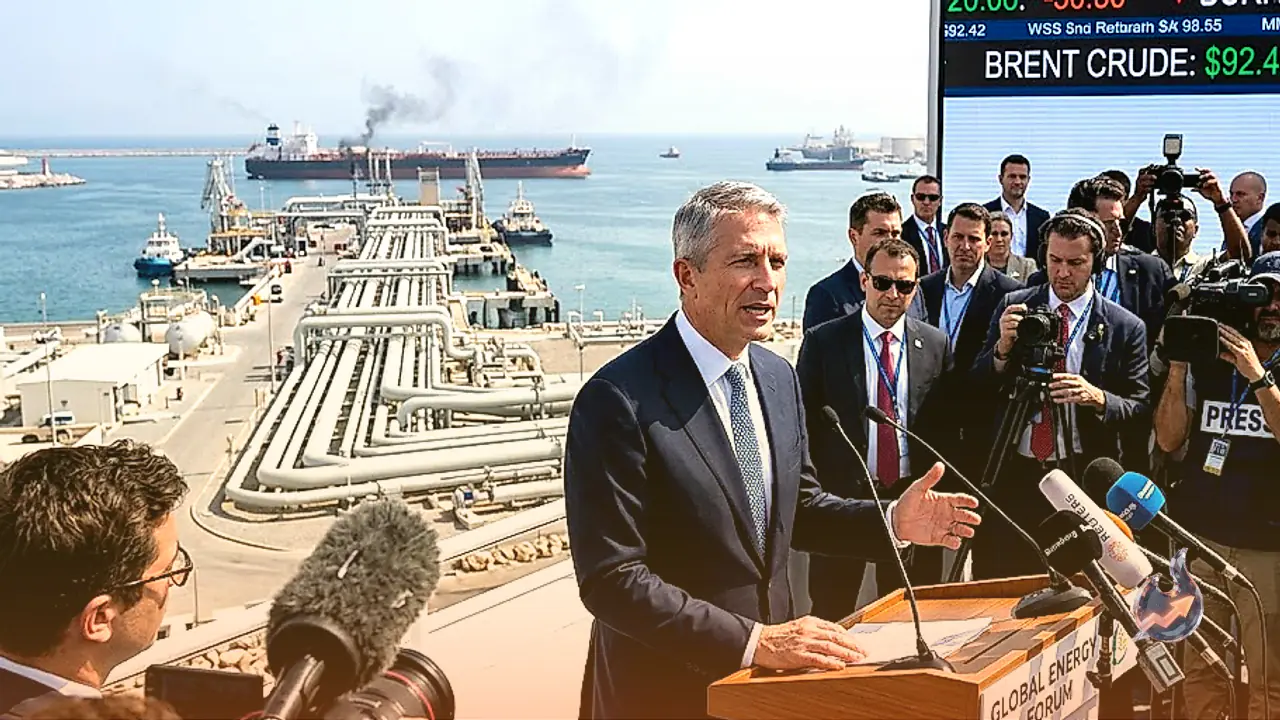
Recent maritime incidents in the Strait of Hormuz involving commercial oil tankers have drawn a direct response from Washington, with confirmed actions targeting regional forces. This ongoing conflict has kept Persian Gulf oil output subdued compared to pre-war levels, driving renewed bids into crude oil markets. Every escalation in the region directly impacts production and transportation costs, leaving major stock indices vulnerable through both shifting market sentiment and elevated borrowing costs.
Manufacturing Activity and Economic Data Releases
The Institute for Supply Management manufacturing index registered lower for August, falling short of consensus expectations alongside declines in new orders and employment components. Although growth metrics generally pointed toward a softening economy, the prices paid index remained uncomfortably high. This combination of cooling overall activity and persistent input costs complicates the policy outlook, suggesting that central bank officials may face difficult choices rather than an immediate pivot toward rate cuts.
Treasury Yields and Global Bond Market Selloff
Government bond yields climbed significantly, with the 10-year Treasury note reaching its highest intraday levels in months, while longer and shorter-dated maturities also experienced selling pressure. This downward repricing extended beyond domestic markets, affecting European and Japanese sovereign debt as well. Heavy debt issuance and elevated term premiums continue to keep long-term borrowing costs high, overriding standard reactions to monthly factory surveys.
Interest Rate Projections and Policy Outlook
Market pricing for upcoming central bank meetings reflects a sharp shift in expectations. Futures contracts indicate a strong probability of a rate hike, with traders removing aggressive rate-cut scenarios from the medium-term horizon. The broader consensus now points toward a higher terminal rate environment extending well into future policy schedules, directly influencing equity valuations across major industrial conglomerates.
Technical Levels and Market Bias
From a technical perspective, the index faces immediate resistance near key psychological thresholds, while crucial support levels are being closely tested. Momentum indicators suggest that short-term bounces continue to attract selling interest rather than establishing a durable floor. The Dow Jones Industrial Average, comprising major US corporations, remains heavily influenced by the interplay between macroeconomic data releases and global political risks.