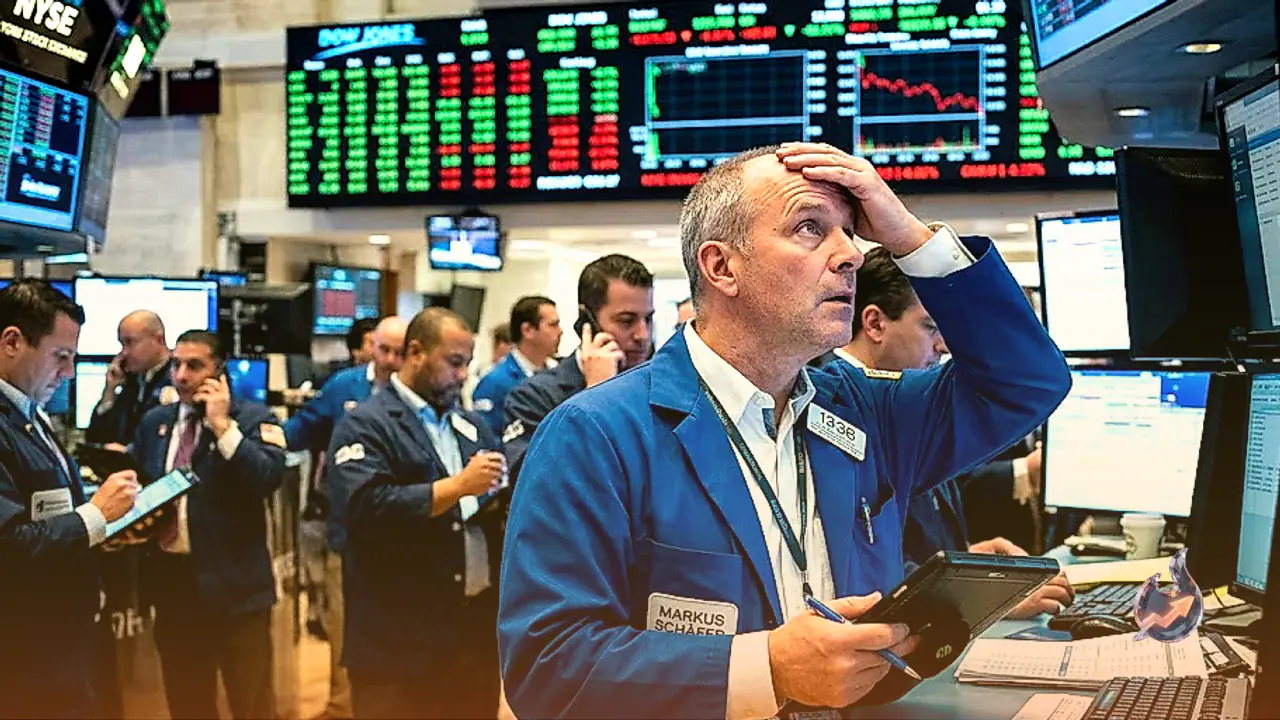
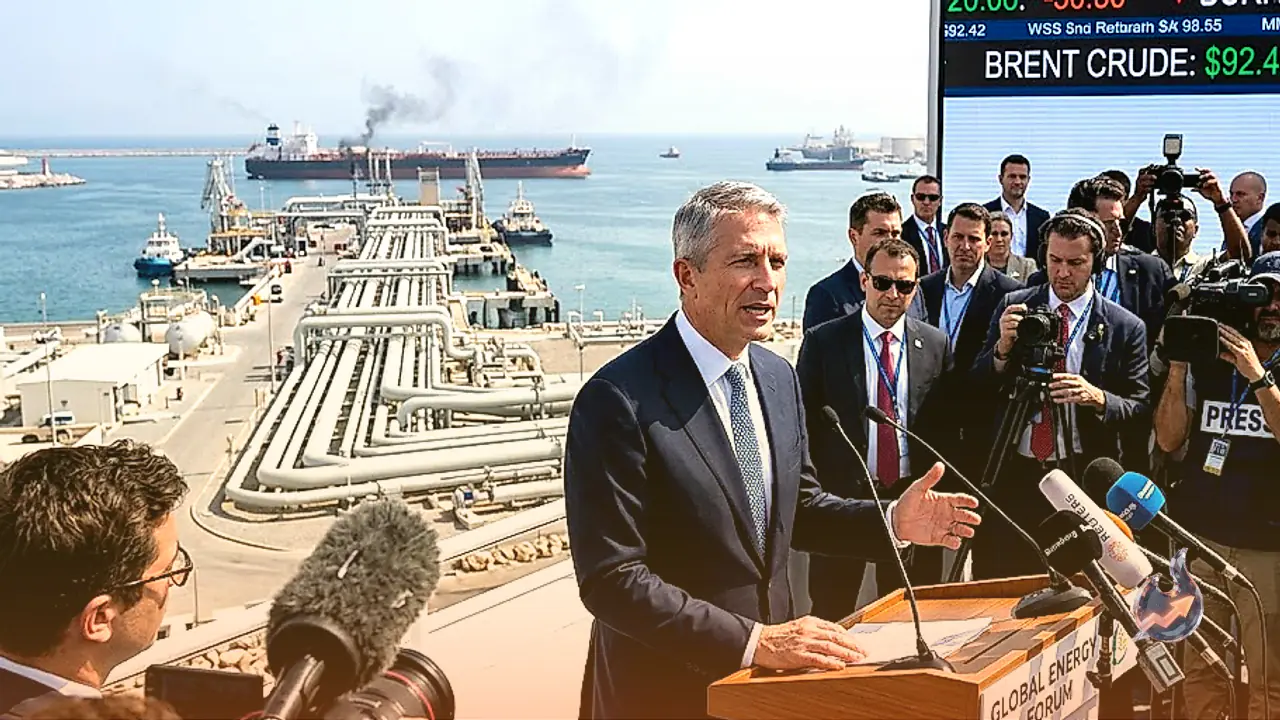























Explosions have been reported in Chabahar and Bandar Abbas, according to domestic reports citing internal sources within Iran. These sudden blasts have significantly heightened geopolitical tensions in the region, bringing fears of a potential military confrontation in the critical Strait of Hormuz back to the forefront of global attention.
This development follows earlier reports indicating that the United States Air Force had launched strikes against Iranian targets situated around the Strait of Hormuz. The resurgence of direct hostilities between the two nations has immediately impacted energy markets, introducing a high degree of volatility and anxiety among international investors.
Crude oil rallies amid renewed Middle East tensions
In direct response to the escalating military situation, West Texas Intermediate, the benchmark for US crude oil, experienced a substantial upward movement. Crude oil prices climbed to $89.30 following a previous close of $85.76, marking a solid daily gain of 4.13 percent. The resumption of hostilities between the United States and Iran has driven these price spikes, raising concerns over potential disruptions to vital global oil supply routes.
Understanding risk-on and risk-off market dynamics
In the terminology of global financial markets, the concepts of risk-on and risk-off describe the prevailing risk appetite of investors during specific economic periods. In a risk-on market environment, investors maintain an optimistic outlook regarding future growth, showing a greater willingness to acquire riskier assets in pursuit of higher returns. Conversely, during a risk-off phase, investors pivot toward capital preservation, prioritizing safety and predictability over aggressive returns even if the potential gains are modest.
Typically, during risk-on cycles, equity markets expand, most commodities except gold gain value due to positive economic forecasts, commodity-exporting currencies strengthen, and cryptocurrencies advance. During risk-off periods, government bonds rally, gold outperforms, and traditional safe-haven currencies such as the Japanese yen, the Swiss franc, and the US dollar benefit heavily from flight-to-safety capital flows.
Performance of commodity currencies and safe havens
Currencies closely tied to commodity exports, such as the Australian dollar, the Canadian dollar, the New Zealand dollar, along with minor foreign exchange assets like the Russian ruble and the South African rand, generally appreciate during risk-on phases. Their economic growth relies heavily on raw material exports, which experience higher demand during periods of strong industrial activity. On the other hand, the US dollar benefits from its status as the world's primary reserve currency and the relative safety of US government debt. The Japanese yen strengthens from domestic demand for sovereign bonds, while the Swiss franc gains from strict banking laws that offer enhanced capital protection.
Major currency pairs and asset class reactions
In currency trading, the GBP/USD pair has experienced downward pressure, dipping toward the low 1.3500s to touch two-week lows as investors digest recent US economic data and persistent geopolitical uncertainty. Similarly, the EUR/USD pair has accelerated its correction, breaching the key 1.1600 support level amid a resilient US dollar bounce. Gold prices have extended their losses, slipping toward three-week lows just above the $4,300 per troy ounce mark due to rising Treasury yields and a rebounding dollar, despite ongoing Middle East tensions.
In the digital asset space, Bitcoin has stalled while holding above the $78,000 support level alongside steady exchange-traded fund inflows, while Ethereum consolidates near $2,450. Meanwhile, global sovereign bonds are witnessing a broad sell-off, with the United Kingdom taking a particularly sharp hit as multi-year yields register significant upward ticks.
Diesel markets diverge from crude stability
While the broader crude oil market may appear calmer compared to previous months, refined products are signaling intense underlying pressures. The US diesel crack spread, representing the premium of ultra-low sulfur diesel futures over West Texas Intermediate, recently surged above $100 per barrel for the first time in history, establishing an intraday record high of just over $102.00.