























The Euro currency has surged to a fresh 12-day high against the US Dollar, climbing past the critical 1.1600 resistance level to trade above 1.1640. This foreign exchange movement occurs despite a prevailing risk-off mood across global financial markets and significantly elevated crude oil prices. Analysts note that while the single currency is benefiting from broad-based weakness in the greenback, Euro rallies are likely to remain relatively shallow and capped. This constraint is largely driven by mounting energy costs and intensifying geopolitical instability in the Persian Gulf region, where military escalations threaten to disrupt global economic stability.
Debasement Debates Weigh Heavily on the US Dollar
Financial market analysts at Rabobank highlight that the indecisive and dithery tone displayed by the US Dollar across recent trading sessions signals a meaningful shift in foreign exchange market sentiment. The primary catalyst for this shift traces back to August 19, when US Treasury Secretary Bessent announced bond market intervention measures. That announcement triggered an intense ongoing debate regarding potential US Dollar debasement, which has steadily undermined institutional confidence in the American greenback.
Because of these underlying debasement concerns, the US Dollar has struggled significantly to capitalize on economic indicators and monetary policy expectations that would ordinarily support currency appreciation. Market participants remain reluctant to build sustained long positions in the greenback, allowing rival currencies like the Euro, the Japanese Yen, and the Australian Dollar to capture ground despite widespread global market uncertainty.
ECB Rate Decision and Eurozone Monetary Architecture
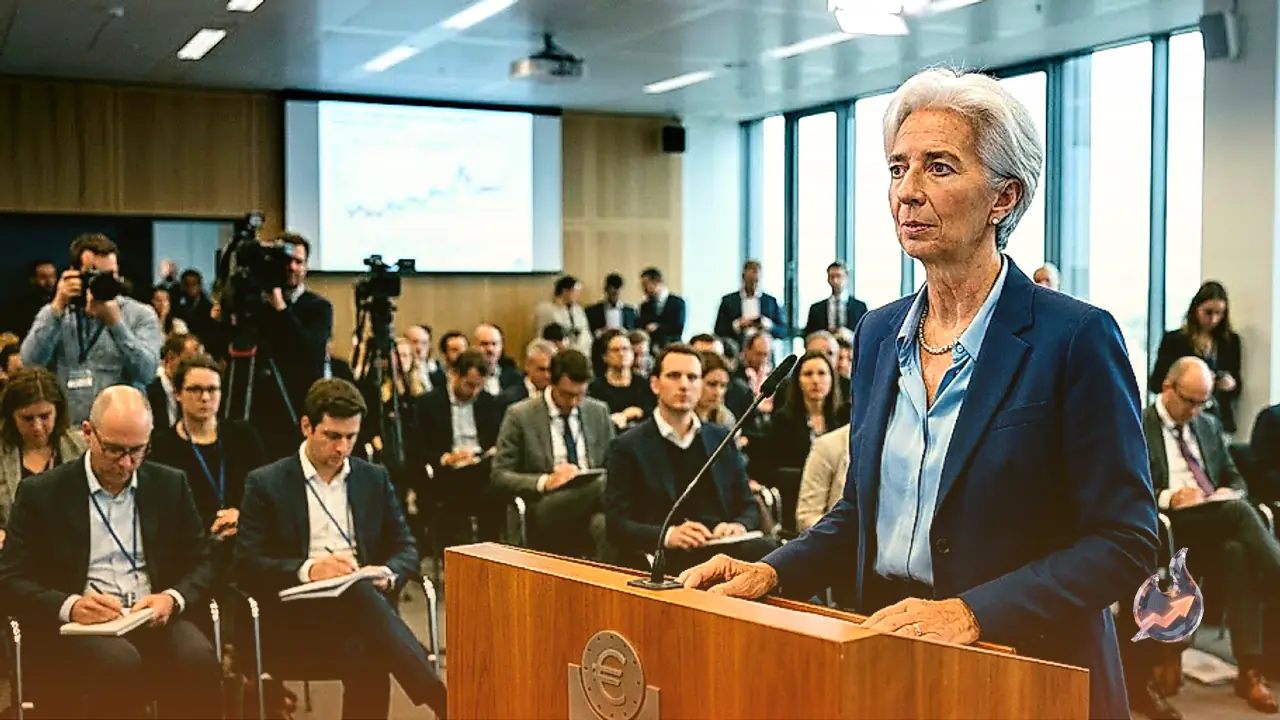
As the Euro advances in foreign exchange markets, investor focus is firmly fixed on Frankfurt, Germany, where the European Central Bank serves as the central reserve institution for the Eurozone monetary union. Financial markets are actively bracing for the European Central Bank to implement a quarter-point (25 basis points) interest rate hike during its upcoming monetary policy meeting scheduled for Thursday.
The primary mandate of the European Central Bank is to maintain price stability throughout the Eurozone, which is defined as keeping annual inflation rates close to the 2% target. The central bank's primary mechanism for achieving price stability involves increasing or decreasing benchmark interest rates. Higher relative interest rates generally attract foreign capital inflows and strengthen the Euro exchange rate, whereas lower interest rates tend to depreciate the currency's value.
Monetary policy decisions within the Eurozone are determined by the ECB Governing Council, which convenes official policy meetings eight times per calendar year. This decision-making council is composed of the governors of the national central banks of all Eurozone member countries alongside six permanent executive board members, including European Central Bank President Christine Lagarde.
The Mechanics of Quantitative Easing (QE)
In extraordinary economic circumstances where conventional interest rate adjustments are insufficient to maintain price stability or combat deflationary risks, the European Central Bank can enact an unconventional policy tool known as Quantitative Easing (QE). Quantitative Easing represents an aggressive monetary expansion process in which the ECB creates new Euro currency to purchase financial assets directly from commercial banks and institutional investors. These asset purchases primarily consist of government bonds and corporate debt securities.
By acquiring these assets, the central bank injects large volumes of liquidity into the banking system, encouraging lending and economic activity. However, this expansion of the Euro money supply typically results in a weaker exchange rate for the Euro. Historically, the European Central Bank deployed Quantitative Easing as a last-resort intervention during the Great Financial Crisis between 2009 and 2011, again in 2015 when inflation remained stubbornly below target levels, and most recently during the global economic disruption caused by the COVID-19 pandemic.
Quantitative Tightening (QT) and Currency Valuation
Conversely, Quantitative Tightening (QT) represents the exact reverse process of Quantitative Easing. Quantitative Tightening is initiated after an economic recovery takes hold and inflationary pressures begin to accelerate across the region. While Quantitative Easing involves active bond purchases to flood the banking sector with liquidity, Quantitative Tightening marks the phase where the European Central Bank halts net bond purchases entirely.
Furthermore, under Quantitative Tightening, the ECB stops reinvesting the principal payments received from maturing government and corporate bonds already held on its balance sheet. As securities mature without replacement, the central bank's balance sheet contracts, gradually withdrawing excess liquidity from the financial system. This monetary contraction is generally considered positive and bullish for the Euro currency, providing underlying support for its valuation in foreign exchange markets.
Middle East Military Conflict and Energy Market Turmoil
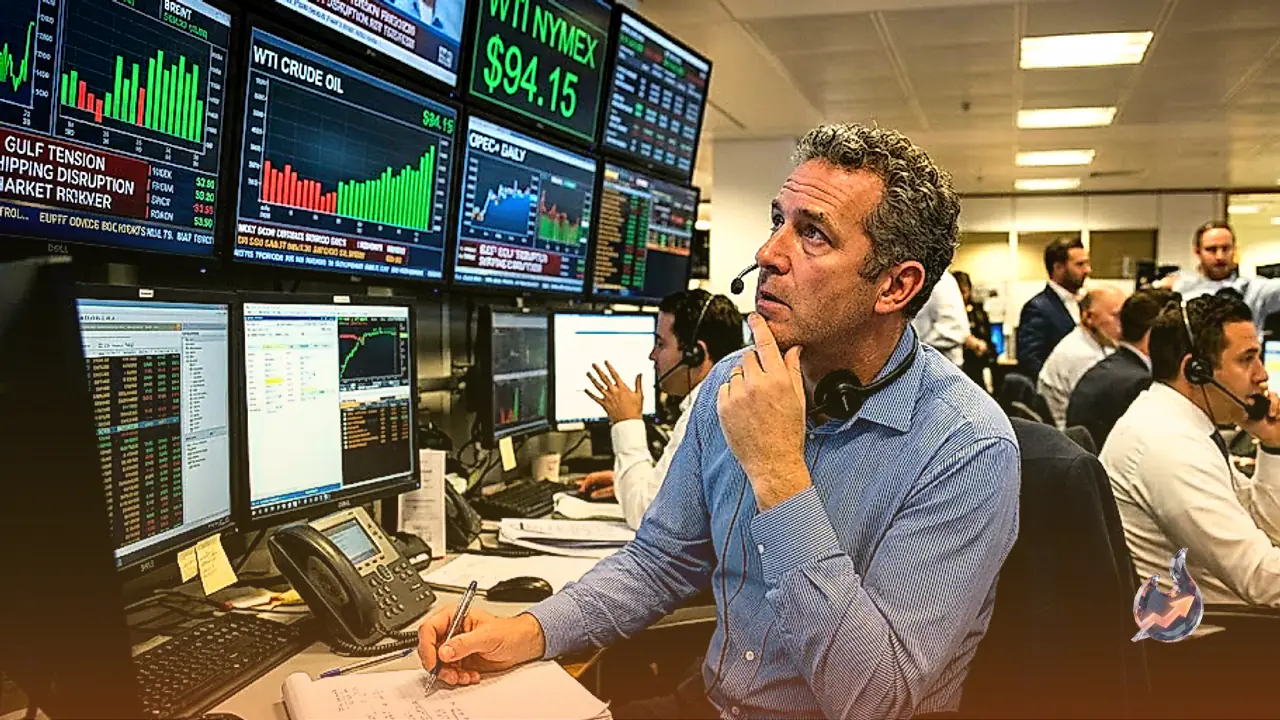
Despite the recent upward momentum in EUR/USD, foreign exchange strategists emphasize that Euro rallies are likely to stay shallow due to severe risks in energy markets. Crude oil prices have surged to their highest levels in three months as security conditions in the Persian Gulf deteriorate on a daily basis. Security developments took a critical turn on Tuesday when Tehran launched military attacks targeting a US Navy warship and an airbase located in Jordan.
The US military responded rapidly by conducting targeted strikes against several Iranian oil tankers. Meanwhile, Iran-backed Houthi militiamen launched attacks against key oil infrastructure facilities inside Saudi Arabia. This widespread military friction risks escalating into a full-scale regional conflict, threatening global oil supplies and keeping energy prices elevated across international markets.
Distillate Tightness and Record Diesel Crack Spreads
While headline crude oil markets may appear relatively steady compared to historical spikes, distillate fuel markets are sending alarming signals regarding supply constraints. The US diesel crack spread, which measures the market pricing premium of ultra-low sulphur diesel futures over West Texas Intermediate (WTI) crude oil, recently surged past $100 per barrel for the first time in history. The spread hit an intraday record peak of just over $102.00 per barrel.
This unprecedented surge in the diesel crack spread highlights acute global shortages in refined middle distillates. Elevated diesel costs directly increase commercial transportation and freight expenses worldwide, adding persistent inflationary pressure that complicates the monetary outlook for central banks globally.
Broader Foreign Exchange Market Trends
The movement in EUR/USD reflects broader structural shifts taking place across global foreign exchange and commodity markets
- Australian Dollar (AUD/USD): The AUD/USD pair extended consolidative price action above the 0.7200 level during Wednesday's Asian trading session. The pair remained largely unmoved by hotter-than-expected Consumer Price Index (CPI) and Producer Price Index (PPI) figures released in China. However, growing market expectations for interest rate hikes by the Reserve Bank of Australia (RBA) provided supportive tailwinds for the Australian currency, further amplified by US Dollar weakness stemming from Japanese Yen strength. Forex traders are closely awaiting US inflation figures scheduled for release later in the week for fresh directional momentum.
- Japanese Yen (USD/JPY): The USD/JPY pair attracted fresh selling interest during Wednesday's Asian session. A strong Reuters Tankan business survey reinforced investor confidence in the Bank of Japan's (BoJ) ongoing monetary policy normalization path, boosting demand for the Japanese Yen. Driven by Yen strength and broad-based US Dollar weakness, the pair hovered near a seven-month low established on Tuesday.
- Spot Gold ($4,400 Threshold): Spot gold built on its intraday recovery from a one-week low, reclaiming the $4,400 per ounce threshold heading into Wednesday's European trading session. The precious metal successfully snapped a three-day losing streak as the US Dollar index remained depressed near its lowest level in over two weeks, weighed down by the Bank of Japan inspired rally in the Japanese Yen.