






















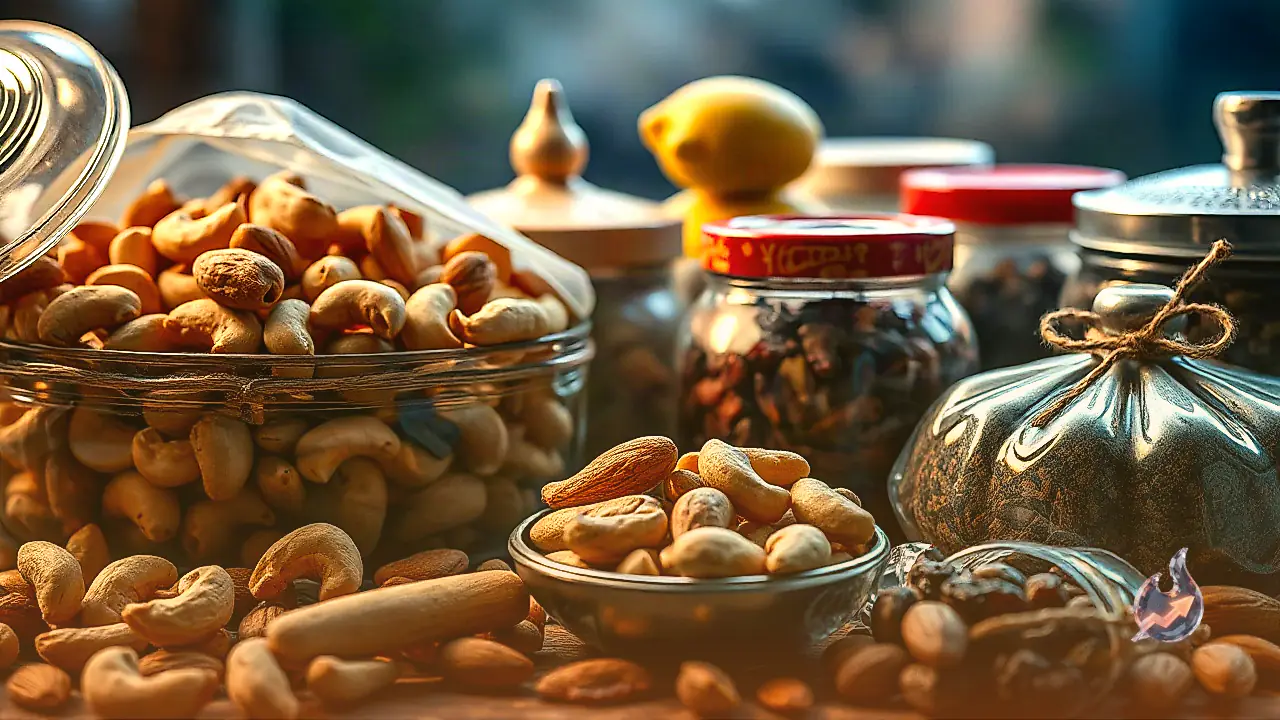

Whether enjoyed alongside a hot cup of tea or consumed as a healthy morning routine, dry fruits such as cashews, almonds, and walnuts are an integral part of everyday nutrition. However, many households frequently observe that shortly after opening a brand-new package, these premium nuts begin to lose their characteristic crunch. Exposed to ambient room air, cashews turn soft, almonds lose their crisp texture, and raisins become unpleasantly sticky. In some cases, prolonged exposure to air can even alter the natural flavor profile of dry fruits, introducing a subtle bitterness. Protecting expensive dry fruits from deterioration requires understanding how moisture interacts with them and implementing practical, everyday storage solutions to preserve their freshness, flavor, and texture over extended periods.
Understanding Why Dry Fruits Lose Their Crispness
The primary culprit behind the degradation of dry fruit texture is environmental moisture. Dry fruits are naturally hygroscopic, meaning they readily absorb water vapor from the surrounding atmosphere once their protective packaging is unsealed. As almonds, cashews, pistachios, and walnuts absorb humidity, their outer cellular structure softens, leading to a noticeable reduction in crunchiness. Beyond moisture, nuts contain high levels of natural oils. Continuous exposure to ambient air and warm temperatures accelerates the oxidation of these healthy fats, which gradually impairs their taste and nutritional quality.
Kitchen environments present a unique challenge due to frequent fluctuations in humidity and temperature. Daily culinary activities such as boiling liquids, steaming food, and washing utensils generate substantial airborne moisture and heat. When dry fruit containers are stored near these active kitchen zones, steam and humidity can permeate even loosely sealed packaging. Recognizing that moisture absorption—rather than mere passage of time—is the main cause of spoilage allows households to take targeted steps toward proper storage.
Optimal Kitchen Placement to Avoid Heat and Humidity
Selecting the right location within the kitchen is critical for long-term dry fruit preservation. A common mistake is placing cashew and almond jars on open shelves adjacent to cooking stoves, ovens, or microwaves for quick access. While convenient, the radiant heat emitted by cooking appliances elevates the temperature inside storage jars, degrading the natural oils and speeding up staleness.
Similarly, storing dry fruits close to kitchen sinks or dishwashing areas exposes them to water splashes and concentrated steam. Placing containers on windowsills subjected to direct sunlight is equally damaging, as UV rays and heat break down nut quality. The most effective placement is inside a cool, dark, and dry kitchen cabinet situated away from steam sources and temperature spikes.
Choosing and Utilizing Airtight Storage Containers
Simply folding over an open dry fruit pouch or securing it with a plastic clip is inadequate for multi-week storage. Microscopic gaps in folded packaging allow humid air to continuously circulate inside, gradually ruining the content. Transitioning dry fruits into genuinely airtight containers immediately after opening is essential.
High-quality glass jars equipped with silicone seals offer an outstanding solution. Transparent glass containers provide clear visual monitoring, allowing households to inspect the interior without opening the lid. If condensation, fogging, or tiny water droplets appear on the inner surface of a glass jar, it indicates trapped moisture. In such instances, the dry fruits should be removed promptly, allowed to air out, and repacked into a completely dried container.
Crucial Preparation Steps Before Refilling Storage Jars
A frequent error occurs when containers are washed and refilled immediately after being wiped down. Even if a jar appears dry to the touch, micro-droplets of moisture often linger in corners, along the base, or within the rubber sealing rings of the lid. Transferring dry fruits into a container with residual moisture will inevitably spoil the entire stock.
To avoid this, washed containers should be allowed to air-dry thoroughly or sit in sunlight until all traces of humidity evaporate completely. Inspecting the container lid to verify that the airtight rubber gasket is completely dry and functioning properly ensures a safe storage environment for nuts.
Guidelines for Refrigerating Dry Fruits During Warm Months
During periods of severe summer heat, extreme humidity, or when storing large quantities of dry fruits over several months, refrigeration is an highly effective preservation method. Cold temperatures slow down oil oxidation and prevent nuts from turning rancid. However, specific precautions must be followed to avoid moisture damage inside the fridge.
Because refrigerators maintain a humid internal atmosphere, dry fruits should never be stored in loose bags or unsealed bowls. They must be kept inside rigid, tightly sealed airtight containers or heavy-duty freezer bags. Proper sealing prevents dry fruits from absorbing strong odors from neighboring foods, such as cooked meals or raw vegetables. When removing a container from the refrigerator, let it adjust to room temperature before opening the lid to prevent immediate atmospheric condensation inside the jar.
Managing Bulk Supplies with a Dual-Container Strategy
Purchasing almonds, cashews, or walnuts in bulk quantities is economical, but keeping several kilograms in a single, frequently opened vessel increases the risk of spoilage. Opening a large container daily exposes the entire bulk reserve to fresh air and humidity repeatedly.
Adopting a dual-container strategy solves this problem effectively. Reserve a small airtight jar for daily consumption while keeping the remaining bulk supply sealed tightly in a master container stored in a cool cabinet or refrigerator. Refill the small jar only when it empties. Additionally, avoid mixing fresh purchases with older stock. Always finish the remaining batch completely, wash and dry the container, and then introduce the new dry fruit supply.
Everyday Hygiene Practices for Maintaining Quality
Preserving the crunchy texture of dry fruits also relies on careful handling during daily use. Reaching into storage jars with wet or damp hands transfers moisture directly onto the remaining nuts, creating localized pockets of humidity that accelerate mold or softness.
Always use a clean, completely dry spoon or ensure hands are thoroughly dried before serving dry fruits. Furthermore, ensure the container lid is secured immediately after removing the desired portion. By adopting these simple storage habits and hygiene measures, premium dry fruits remain delightfully fresh, nutritious, and crunchy for months.