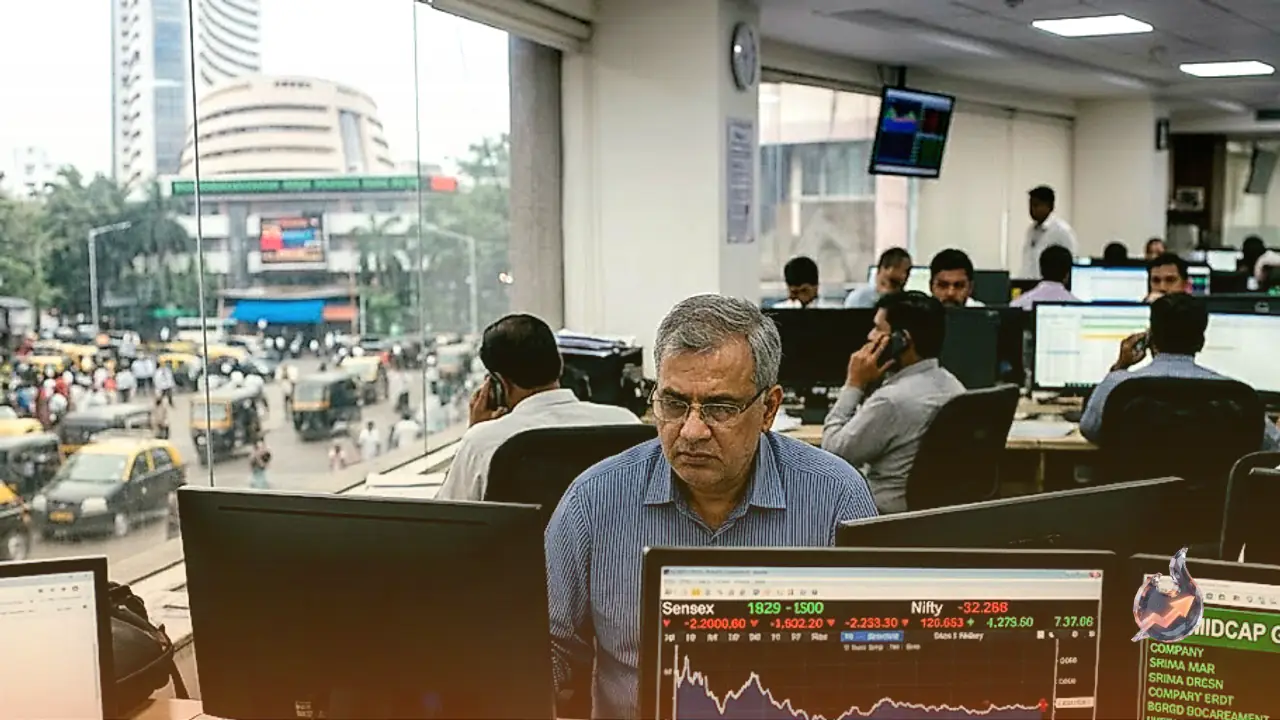

























The EUR/USD currency pair is maintaining its position just above the monthly low threshold, while bullish investors in the greenback adopt a cautious stance ahead of the crucial central bank gathering. Global financial markets are currently processing a complex mix of macroeconomic indicators and geopolitical developments, leading to a relatively contained trading range across major currency pairs.
Geopolitical Shifts and Crude Oil Dynamics
A recent easing of hostilities between the US and Iran triggered an overnight downturn in global crude oil prices, which has successfully dampened immediate inflation anxieties. This cooling of price pressures has temporarily reined in aggressive Federal Reserve interest rate hike bets. Consequently, the US Dollar index remains capped near its recent swing high, offering a mild supportive floor for the shared currency. Nevertheless, persistent underlying concerns regarding potential disruptions to international energy supplies ensure that inflation risks remain active, consistently favoring dollar bulls.
Navigating the current macroeconomic landscape requires prudence, and market participants are advised to wait for sustained follow-through buying before concluding that the pair has established a definitive near-term bottom. The broader fundamental environment continues to lean toward the US currency, indicating that any attempted recovery rallies by the euro are likely to face selling pressure and remain constrained.
The Dual Mandate and Monetary Policy Framework
Monetary policy within the United States is governed by the Federal Reserve, which operates under a dual mandate to pursue price stability and foster maximum sustainable employment. To accomplish these core objectives, the central bank primarily utilizes interest rate adjustments. When consumer prices accelerate too rapidly and inflation exceeds the targeted two percent threshold, officials typically raise borrowing costs throughout the broader economy. This policy action generally strengthens the US Dollar by making domestic dollar-denominated assets more attractive to international capital. Conversely, if inflation dips below the target or unemployment surges, policymakers may lower rates, which weighs on the currency.
FOMC Structure and Extraordinary Policy Tools
The policy-setting arm of the central bank, the Federal Open Market Committee, convenes eight times a year to evaluate evolving economic conditions and determine appropriate monetary stances. This committee comprises twelve active participants, including the seven members of the Board of Governors, the head of the regional Federal Reserve Bank of New York, and four rotating regional bank presidents serving single-year terms. In extraordinary economic environments, the central bank can deploy unconventional mechanisms such as quantitative easing to inject necessary liquidity into a constrained financial system, a strategy famously deployed during the global financial crisis.
Quantitative Measures and Cross-Market Movements
Quantitative tightening represents the opposite monetary mechanism, where the central bank ceases the acquisition of debt securities and allows maturing principal holdings to roll off the balance sheet without reinvestment, an outcome that typically bolsters the currency's valuation. Across other major currency pairs, the British pound has slipped below key technical milestones following soft domestic inflation readings and regional stabilization, dampening expectations for immediate policy tightening. Meanwhile, gold prices have experienced minor downward pressure during early trading sessions, though downside participation remains limited as traders await definitive interest rate guidance from the central bank policy committee.