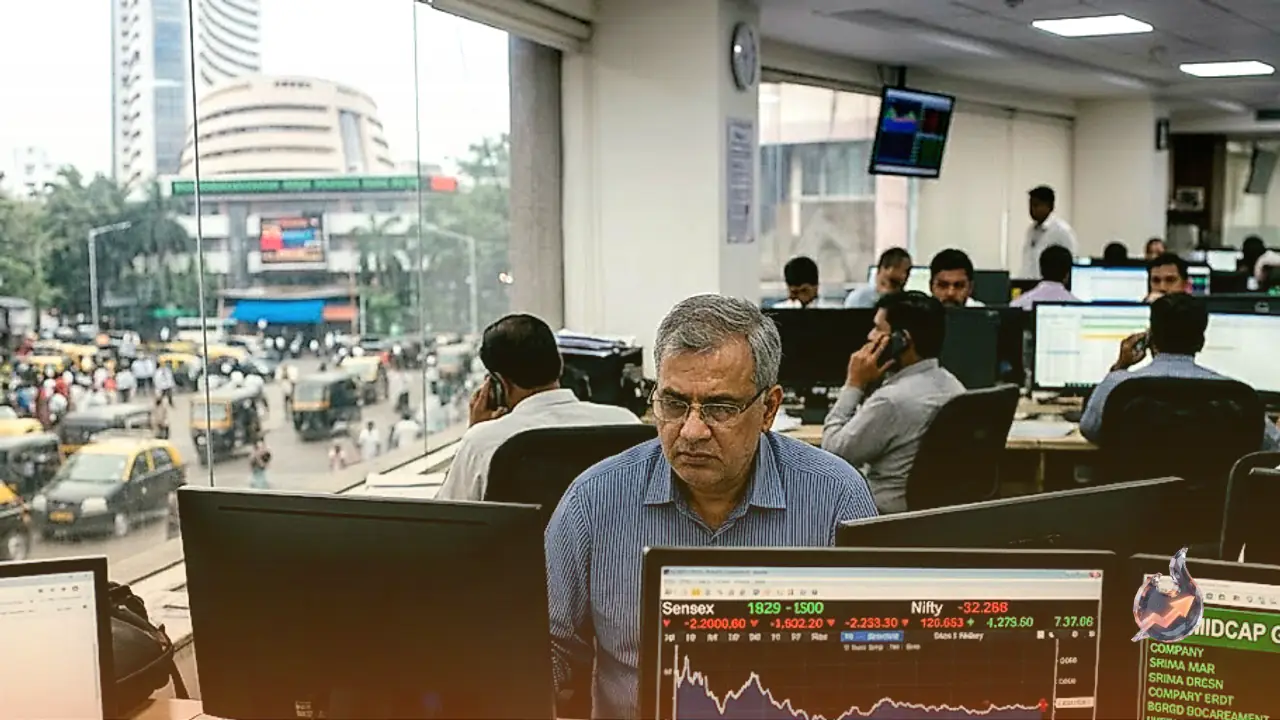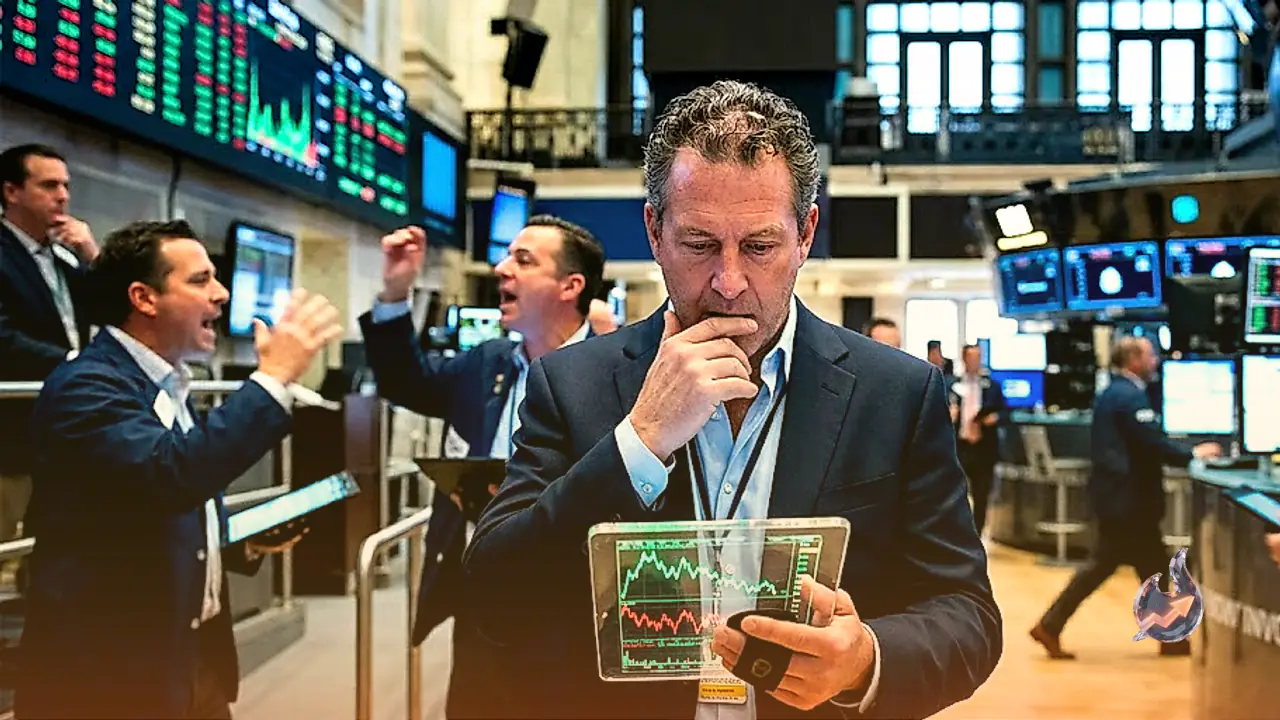
























Global currency markets maintained a cautious tone on Tuesday, July 28, as investors braced for the upcoming Federal Reserve monetary policy meeting. The relief rally that was triggered by the United States and Iran's decision to pause military strikes proved short-lived on Monday, with the US Dollar Index ending the day virtually unchanged following a bearish opening. Market participants adopted a guarded stance early Tuesday as they prepared for critical central bank decisions.
Crude Oil Prices and Middle East Tensions
Citing an Iranian official, CNN reported that Tehran is not engaged in direct ceasefire talks with the US and will never allow Washington to determine the timing of war and peace. On the other hand, Donald Trump claimed that they were having very friendly talks with Tehran, though he added that the administration remains prepared to resume military action if negotiations ultimately fail.
After shedding about 9% on Monday, West Texas Intermediate crude oil stayed relatively quiet early Tuesday, trading modestly lower at around $83.50 per barrel. These fluctuations in energy markets continue to heavily influence currency valuations and broader risk sentiment.
Technology Stock Selloffs and Market Sentiment
Selling pressure surrounding technology stocks further dampened the market mood during the second half of Monday's session. In early European trade on Tuesday, Nasdaq futures declined by about 1%, while the US Dollar Index held steady near 101.50. Later in the day, the Conference Board was scheduled to release the Consumer Confidence Index data for July.
Strategists at Deutsche Bank noted that US equities rallied at the open due to retreating oil prices but later whipsawed lower after chip stocks sold off. They highlighted chip-equipment manufacturer ASML, whose shares tumbled 8.41% after reports emerged that a Chinese company had successfully commenced mass production of deep ultraviolet lithography machines required for advanced semiconductors. According to Deutsche Bank, this news triggered a broader decline across chip-equipment peers, sending the Philadelphia Semiconductor Stock Exchange Index down 2.23% in the previous session.
Nvidia was also caught in the downdraft, with its shares dropping 4.99% after revelations that the tech giant was working on artificial intelligence deals worth more than $750 billion, which renewed investor anxieties regarding circular AI financing structures.
Major Currency Pairs and Precious Metals
The EUR/USD pair turned south in the latter half of Monday to close flat. The currency pair remained quiet during the European morning, moving sideways below the 1.400 level. European Central Bank Governing Council member Martin Kocher delivered a speech that struck a mildly hawkish tone, emphasizing the need to act if the inflation outlook deteriorates further. Concern over recent oil market developments and a pledge to remain vigilant reinforced a conditional tightening bias, though the lack of hard evidence regarding second-round effects tempered aggressive policy expectations.
Meanwhile, GBP/USD failed to preserve its bullish momentum, consolidating around 1.3300 in early European trade. In the metals sector, gold opened with a bullish gap on Monday, climbing above $4,100 before reversing direction during the American session and erasing a large portion of its gains. XAU/USD remained under modest bearish pressure near $4,050 on Tuesday.
In Asia, USD/JPY declined below 163.50 during Monday's European session before staging a rebound later in the day, holding steady around 163.70 on Tuesday. Japan's Finance Minister Satsuki Katayama emphasized the need to communicate effectively with financial and Japanese Government Bond markets ahead of budget compilation. Across the Pacific, Reserve Bank of Australia Governor Michele Bullock indicated readiness to raise policy rates if necessary, keeping the Australian Dollar under pressure below 0.7000.
Understanding Federal Reserve Mandates and Monetary Tools
Monetary policy in the United States is directed by the Federal Reserve, which operates under a dual mandate to achieve price stability and foster maximum sustainable employment. Its primary instrument for achieving these goals is the adjustment of interest rates. When price pressures mount and inflation exceeds the Fed's 2% target, policymakers raise interest rates to cool borrowing across the economy, which typically bolsters the US Dollar by attracting international capital. Conversely, when inflation falls short of the target or unemployment climbs, the central bank may lower rates, weighing on the Greenback.
The Federal Open Market Committee holds eight scheduled policy meetings annually to evaluate economic conditions. In extraordinary economic crises, the central bank may deploy non-standard measures such as Quantitative Easing, injecting liquidity into a frozen financial system by purchasing high-grade bonds, which generally weakens the currency. Quantitative Tightening represents the reverse process, where the central bank halts bond purchases and allows maturing assets to roll off its balance sheet, a mechanism that tends to support the value of the US Dollar.