
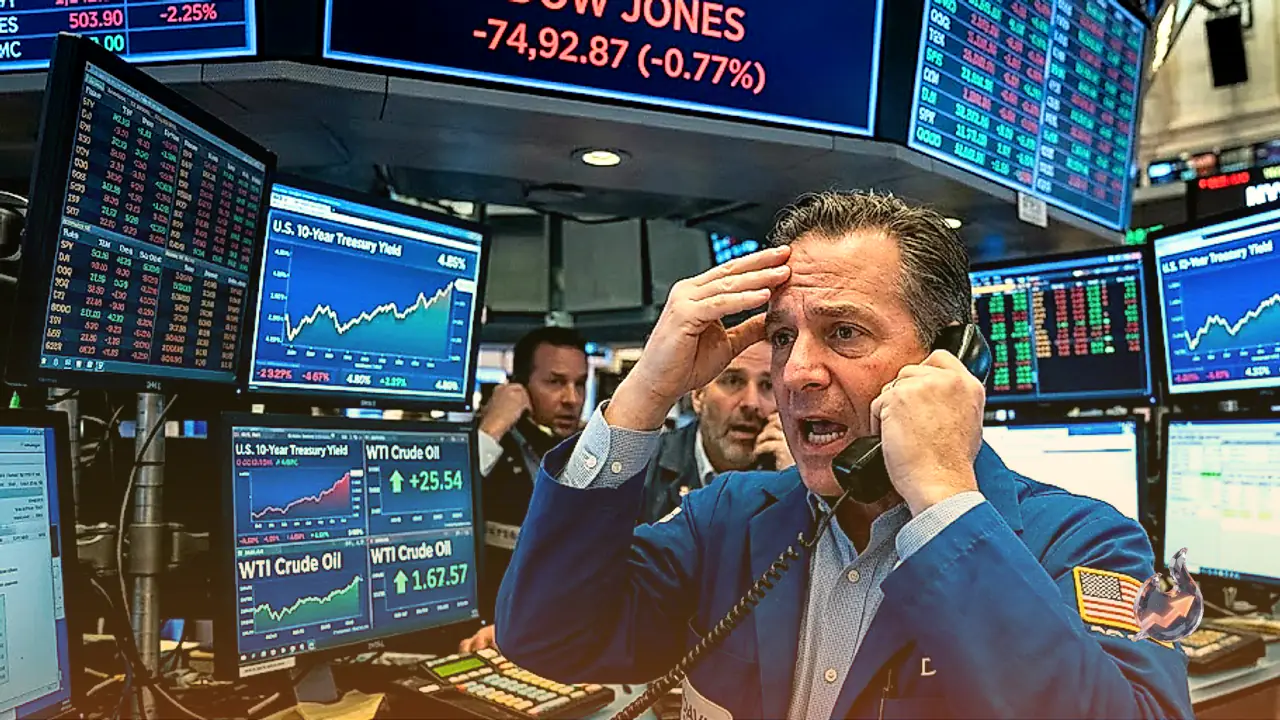























For the bullion market, investor expectations regarding central bank monetary policy remain the decisive factor, with market participants drawing insights as much from official commentary as from actual committee votes. The most transparent reflection of these shifting expectations is visible in the 2-year Treasury yield, which climbs whenever investors anticipate higher borrowing costs across the near term. Holding around 4.9%, this benchmark yield has reached its highest mark since mid-2024. Every official speech that increases the probability of an upcoming interest rate hike elevates this yield, thereby raising the opportunity cost of holding non-yielding physical bullion.
Official Signals and Immediate Market Reactions
Fed Governor Barr stated on September 23 that additional rate hikes were likely necessary to bring persistent price pressures under control. Concurrently, a domestic business survey released on the same date indicated that economic activity in the United States was expanding at its quickest pace in over five years. The combination of these developments caused the 2-year yield to surge by 14 basis points in a single session, while gold prices slid by more than 1%. The simultaneous impact of a policy address and robust commercial data altered short-term yields by an amount greater than half the scale of the September rate increase, even without any formal monetary policy meeting taking place.
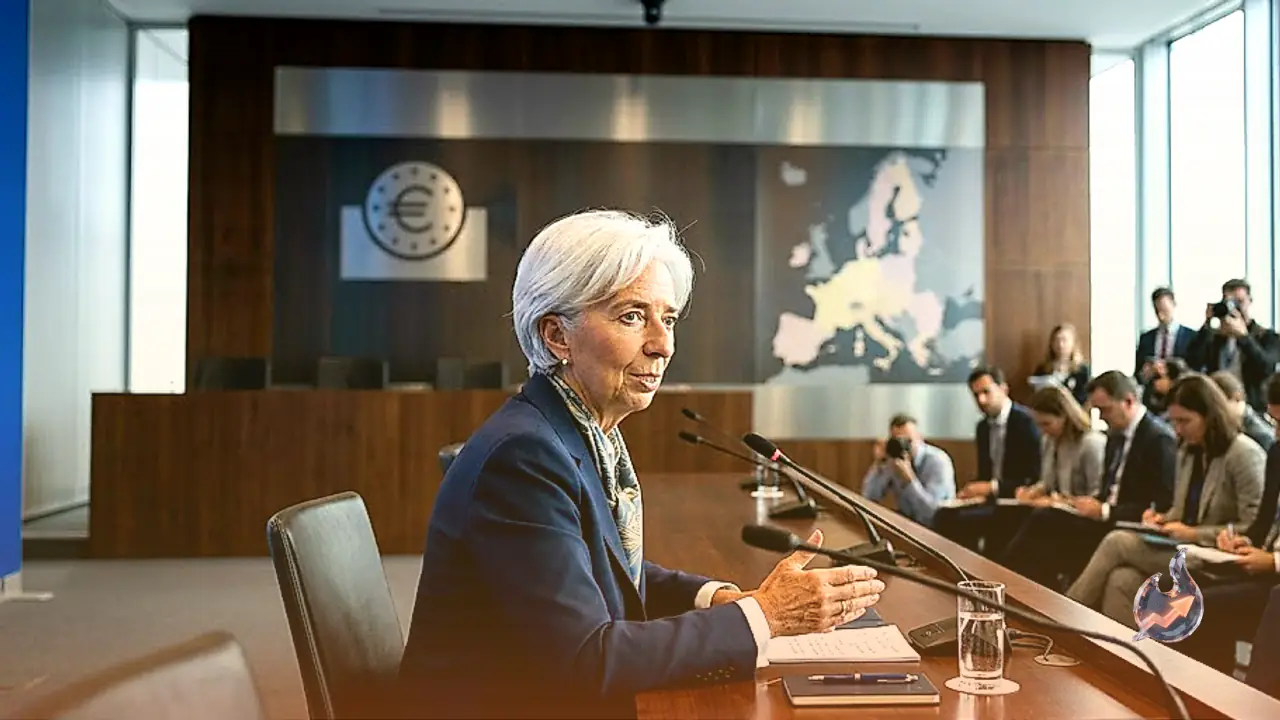
Meanwhile, Fed Chair Warsh has ceased offering forward guidance on prospective interest rate maneuvers. Having declared in July that the central bank was not in the forecasting business and would avoid dropping hints about policy trajectories, the absence of top-level signaling has prompted investors to scrutinize remarks from other board members. Consequently, individual public appearances by committee participants now exert an amplified influence over short-term yields and the trajectory of gold pricing.
The Intensifying Cycle of Policy Speeches
A coordinated series of hawkish statements unfolded between September 21 and September 24, during which at least five officials, including Governor Barr, signaled that tighter credit conditions might still be warranted. Looking ahead, monetary officials have approximately a dozen appearances scheduled between September 28 and October 1, with none featuring Chair Warsh. Each forthcoming engagement provides an additional platform to build the case for another interest rate increase at the October 28 meeting, a narrative that has steadily supported bond yields while eroding gold valuations since the 25 basis point hike executed on September 16.
The preceding phase of this tightening cycle originated at the central bank's annual economic gathering in Jackson Hole, Wyoming, on August 28, where Chair Warsh noted that substantial work remained on inflation containment. Between the eve of that address and the September rate decision, the 2-year yield rose from 4.20% to 4.67%, bolstered by resilient labor data and persistent inflation readings. Throughout that specific span, gold suffered a valuation loss of approximately 7%.
Secondary Selling Waves and Technical Breakdown
Although bullion briefly declined on the day the rate hike was implemented, it recovered toward the $4,400 neighborhood two sessions later, primarily because investors had already factored in the policy shift. The current second phase commenced on September 21 as policymakers began articulating justifications for another move in October, prompting gold to drop by over 6% from its post-hike peak. This downward pressure cycle has room to continue running until the scheduled policy meeting on October 28.
With this latest drop, bullion has relinquished roughly four-fifths of the comprehensive rally that initially carried it from its mid-July bottom to the late-August zenith. A daily momentum indicator designed to track market exhaustion had touched a cyclical low around the previous rate hike and was beginning to turn higher right as the breakdown materialized. This indicates that the aggressive selling witnessed since September 21 constitutes a distinct new liquidation wave rather than the continuation of an exhausted move.
Critical Support Levels and Long-Term Projections
The price deterioration has pulled gold beneath both its 50-day and 200-day moving averages, technical benchmarks within which it had been consolidating earlier in September. Bullion is now fluctuating just above its March low located near $4,100 per troy ounce. A failure to hold this threshold opens the path toward the summer base established around $3,950, where price pullbacks were halted in late June and again in the middle of July. That zone lies roughly 4% beneath prevailing quotes, a distance smaller than the decline produced by either recent cycle of official commentary, suggesting that speeches delivered ahead of October 28 could easily drive the metal to that target.
A decisive break below $3,950 would effectively drag gold back toward price levels recorded in September 2025, completely erasing the sustained advance that culminated in the historic high achieved in January. Reaching that deeper downside scenario would likely require officials to begin signaling interest rate increases extending into 2027. The earliest formal window for central bank officials to submit such extended projections in writing will occur on December 9 when updated economic forecasts are released.
Energy Geopolitics and Broad Currency Movements
The decisive break below the $4,200 threshold took place on September 28 following statements from Iran confirming it would not ease its preconditions for reopening the vital shipping passage through the Strait of Hormuz. Crude oil futures jumped in tandem with the 2-year yield while gold plummeted, aligning with previous central bank declarations that commodity-driven price shocks would be countered with higher borrowing costs. So long as maritime traffic through the strait remains disrupted, elevated petroleum prices will continue providing policymakers with justification to maintain aggressive monetary rhetoric.
These dynamics have reverberated across foreign exchange and asset classes. The AUD/USD currency pair is defending the 0.7000 territory at the start of the week, hovering near its lowest mark since August 4 under pressure from the US Dollar and ahead of policy announcements from the Reserve Bank of Australia. Concurrently, USD/JPY has attracted dip-buying following Friday's retreat, driven by dovish Bank of Japan minutes and a resurgent dollar that pushed the pair back toward 158.00. Both the American and Japanese central banks raised their respective benchmark rates by 25 basis points last week, underscoring persistent concerns over global inflation.
In digital markets, Bitcoin is trading below $82,800 on Monday after a 4% advance last week, encountering consolidation even as spot Bitcoin Exchange Traded Fund demand remains robust. Simultaneously, diesel prices in the United Kingdom have established record highs amid intensifying broader economic pressures. With crude oil volatility complicating consumer price forecasts, bullion continues to bear the brunt of a strengthening dollar and climbing yields as markets navigate the countdown to the late-October central bank meeting.