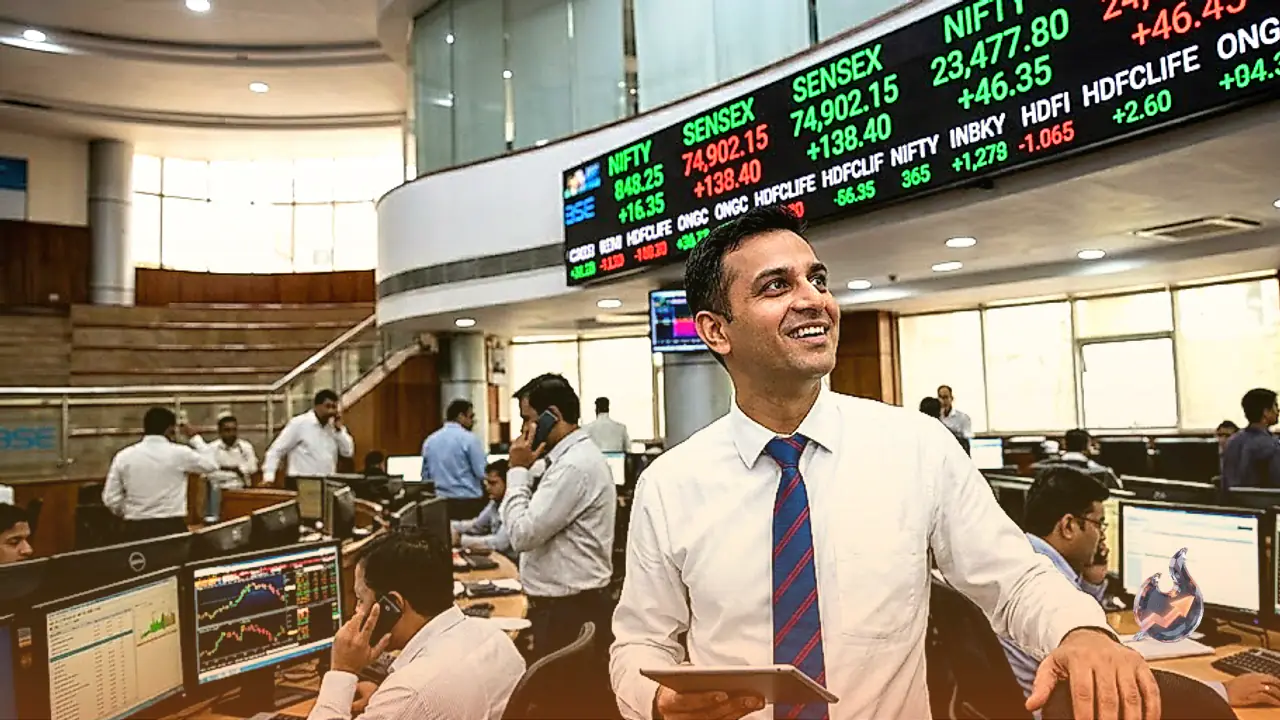






















Indian households are stepping into an extensive festive spending cycle, as celebrations around Durga Puja, Dussehra, and Diwali traditionally drive substantial outlays on apparel, groceries, gifts, electronics, home upgrades, and precious metals. However, the latest official economic data indicates that inflationary pressures across consumer categories are far from uniform. While certain discretionary goods have experienced relatively mild price increases, traditional festive essentials have seen steep cost escalations. Evaluating the upcoming holiday expenses solely by the aggregate inflation rate can therefore lead to significant miscalculations in family finances.
According to Consumer Price Index (CPI) metrics released by the Ministry of Statistics and Programme Implementation (MoSPI), headline retail inflation rose to 4.82% in August 2026. Over the same period, food inflation stood higher at 5.95%, and specific segments closely associated with festive rituals registered even steeper price trajectories. Because household expenditure patterns vary widely, the actual financial impact of the festive period will depend on precisely where and how each family chooses to allocate its resources.
Precious Metals See Dramatic Run-Up Ahead of Festive Buying
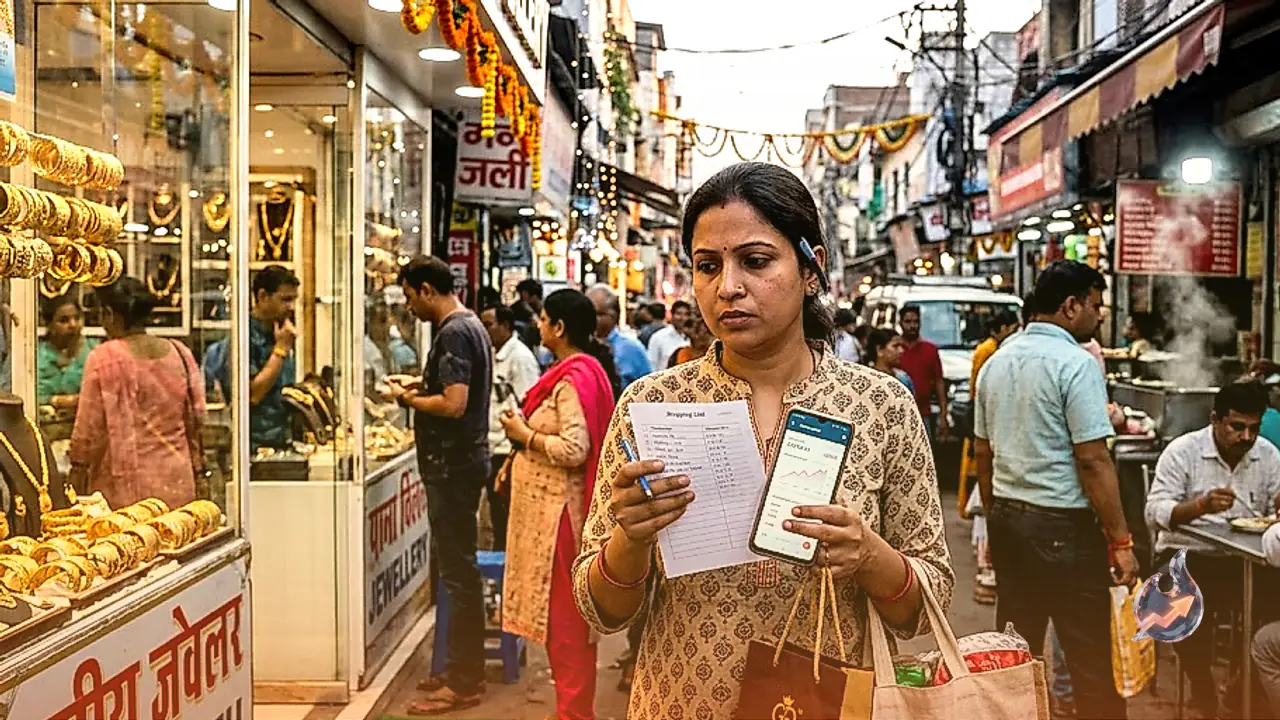
Precious metals remain a central pillar of India's festival season, particularly during Dhanteras and Diwali, when purchasing gold and silver is widely considered auspicious. Yet, families intending to maintain this ritual will confront unprecedented pricing pressure in retail showrooms. Official CPI data for August 2026 revealed that inflation for gold, diamond, and platinum jewellery stood at 35.53%. Silver jewellery witnessed a far more extraordinary escalation, recording an inflation rate of 107.11% over the month.
While these statistical figures evaluate price movements within designated CPI baskets rather than representing an identical price change across every single retail item, they underscore an exceptionally sharp cost environment for jewellery buyers. Rather than treating gold or silver acquisitions as isolated cultural mandates, families need to integrate these high-value purchases into their comprehensive financial plans.
Gold serves a legitimate purpose as a portfolio diversifier, but buyers should take a full accounting of their existing exposure across coins, physical jewellery, sovereign gold bonds, ETFs, and family holdings before committing fresh capital. Maintaining a disciplined asset allocation strategy should take precedence over buying precious metals purely out of unexamined habit.
Food Expenses and Dining Services Add Cumulative Strain
Food constitutes another substantial component of holiday budgets, encompassing bulk grocery purchases for festive feasts, traditional confectionery, and social gatherings. Official statistics show that nationwide food inflation was 5.95% in August 2026, with rural areas registering 6.13% and urban centers recording 5.64%.
In addition to home-cooked meals, socializing at restaurants and ordering catered meals during the festival weeks adds an additional layer of expense. The inflation rate for food and beverage serving services climbed to 8.41% in August 2026. Because celebrations are spread across multiple weeks from Durga Puja through Diwali, hospitality and dining expenses tend to accumulate steadily over time rather than presenting a single isolated bill.
Celebrations should bring joy rather than financial distress. Setting a festive budget is not about enforcing austerity, but rather about practicing planned indulgence. Families who decide beforehand how much capital they can comfortably direct toward gifting, travel, apparel, dining, and decor are far less likely to compromise emergency reserves or derail long-term financial milestones. Establishing a designated festival envelope ensures that early celebrations do not exhaust resources earmarked for subsequent events.
Clothing and Footwear Maintain Subdued Price Pressures
In contrast to the steep surge observed in precious metals, apparel and footwear have exhibited much more subdued price movements. Buying fresh clothing for family members, religious ceremonies, and community functions is an integral part of the season, and current price trends offer some relief in this category.
The broader clothing and footwear division recorded an inflation rate of 3.56% in August 2026 under the CPI series. Disaggregating this category reveals that clothing inflation rose by 3.93%, while footwear prices increased by a modest 1.12%. These figures stand in stark contrast to the double-digit and triple-digit jumps observed in fine jewellery.
This divergence illustrates why generic inflation measures fail to capture individual household experiences. A family that dedicates the bulk of its discretionary funds to ethnic apparel will feel only modest inflation, whereas a household focused on buying silver artifacts or hosting lavish dinners at restaurants will experience significantly greater financial pressure.
Tracking Five-Year Inflation Trends and Real Consumption Growth
Placing recent numbers within a broader historical frame provides critical context for consumer finances. According to the Economic Survey 2025-26, average headline CPI inflation was 6.65% in FY2022-23, moderating to 5.36% in FY2023-24, and easing further to 4.63% in FY2024-25. Across the April-December window of FY2025-26, average headline inflation registered at 1.71%.
These historical milestones cannot be compared directly as an unbroken sequence against the August 2026 print. MoSPI introduced a revised CPI series adopting 2024 as the new base year, replacing the 2012 benchmark. Consequently, long-term trends must be assessed alongside the modernized series rather than through a continuous single line.
More importantly, lower headline inflation rates in recent months do not erase the cumulative price gains accumulated over earlier years. What matters to household purchasing power is the absolute price level confronting consumers at the cash counter. On the macroeconomic front, consumer activity has continued to expand. National accounts data shows that Private Final Consumption Expenditure (PFCE) at constant prices climbed to Rs 179.94 lakh crore in FY2025-26, up from Rs 166.99 lakh crore in FY2024-25, representing a real growth rate of 7.7%.
At current prices, PFCE expanded from Rs 179.71 lakh crore to Rs 196.51 lakh crore over the same period, driving per-capita PFCE from Rs 1,27,627 to Rs 1,38,324. While constant-price calculations strip out inflation to show volume growth, current-price metrics reveal nominal expenditure. These aggregate macroeconomic indicators do not imply that every domestic unit has surplus liquidity, as individual balance sheets vary with earnings, debt obligations, and dependents. However, they demonstrate robust consumer demand across the country, making prudent seasonal budgeting even more imperative.
Managing Gift Expenses and Avoiding Unplanned EMI Commitments
Seasonal expenditures frequently spiral out of control due to incidental and social costs. Exchanging gifts with extended relatives, acquaintances, workplace peers, and business associates can quietly inflate the total festive bill well beyond initial expectations.
Gift-giving is a frequent source of budget overruns, as many individuals feel compelled to spend beyond their means due to familial customs or social pressures, even when their current priorities demand financial caution. True generosity must remain aligned with an individual's current life stage, cash flows, and obligations. Instituting an overarching spending cap for all seasonal gifts is far more effective than budgeting for separate occasions in isolation.
Similar discipline is necessary when navigating promotional offers on consumer durables, electronics, automobiles, and smartphones. Retailers aggressively market discounts and flexible installment plans during this period. While a discounted price reduces the upfront sticker cost, it does not automatically transform an expensive item into an affordable purchase.
Committing to an Equated Monthly Installment (EMI) scheme requires an honest appraisal of regular monthly cash flows, particularly when households are already servicing mortgages, tuition fees, utility bills, and insurance premiums. Big-ticket acquisitions like appliances and vehicles are best handled through advance planning rather than impulsive decisions sparked by marketing blitzes. For salaried individuals receiving festive bonuses, dividing the windfall between celebratory spending, high-cost debt reduction, and long-term investment accounts ensures that short-term celebrations do not undermine long-term financial security.
Seven Financial Principles for the 2026 Festive Season
To navigate the festive months without incurring financial strain, households can apply several foundational principles. First, consolidate spending projections across Durga Puja, Dussehra, and Diwali into a single cohesive pool instead of treating each festival as an isolated expense. Second, never deplete emergency savings to fund temporary festive indulgences. Third, safeguard long-term investment allocations from discretionary seasonal drawdowns.
Fourth, critically evaluate whether monthly EMI repayments will remain manageable once the festive excitement subsides and regular household bills resume. Fifth, audit existing precious metal assets across physical forms, ETFs, and paper bonds prior to buying new gold or silver. Sixth, apportion festival bonuses into clear quotas for spending, saving, and debt repayment before the funds arrive. Finally, retain an operational cash cushion in transaction accounts to absorb ordinary living expenses once the holiday season concludes.