




















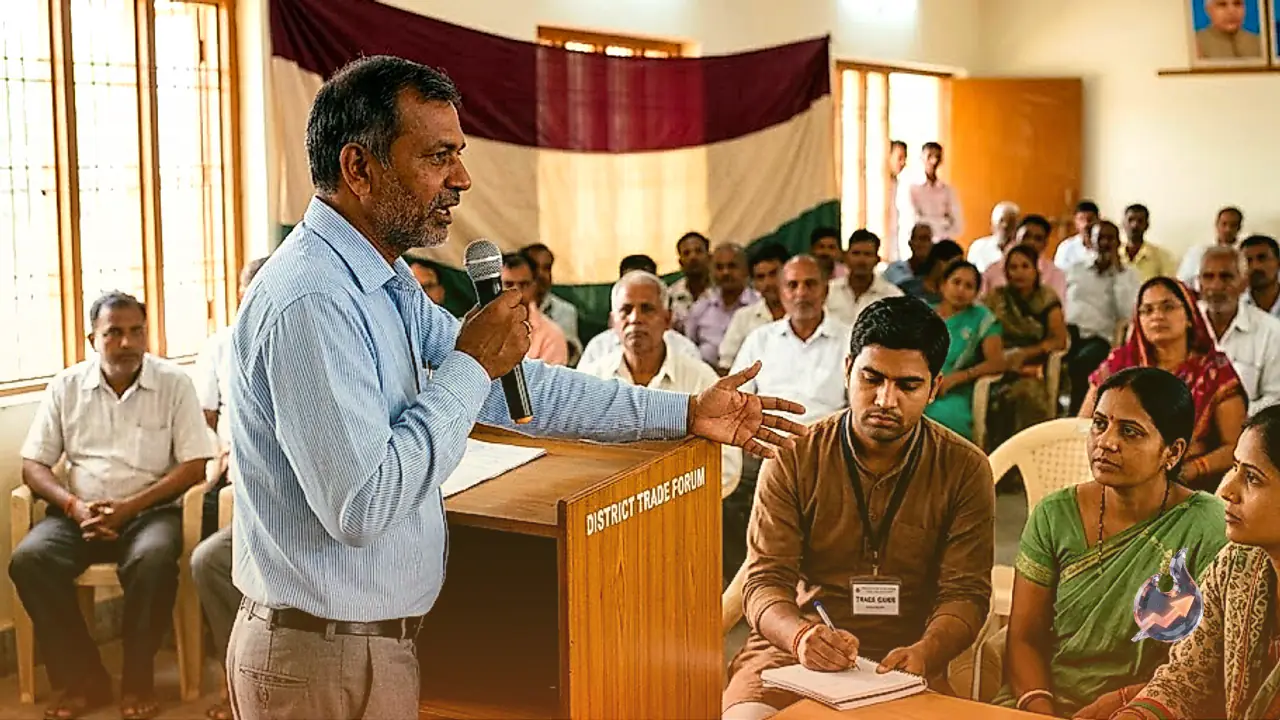

A targeted initiative is underway to bridge the knowledge gap for small-town entrepreneurs and connect regional production hubs directly to global marketplaces. Central to this strategy is dismantling linguistic barriers, ensuring that business owners operating outside major metropolitan centers can master international commerce protocols in their native regional languages. Union Minister of Commerce and Industry Piyush Goyal has proposed creating a skilled cadre of approximately 1,000 local individuals tasked with providing hands-on trade guidance to both prospective exporters and established small enterprises seeking cross-border expansion.
Equipping Grassroots Specialists with Global Trade Expertise
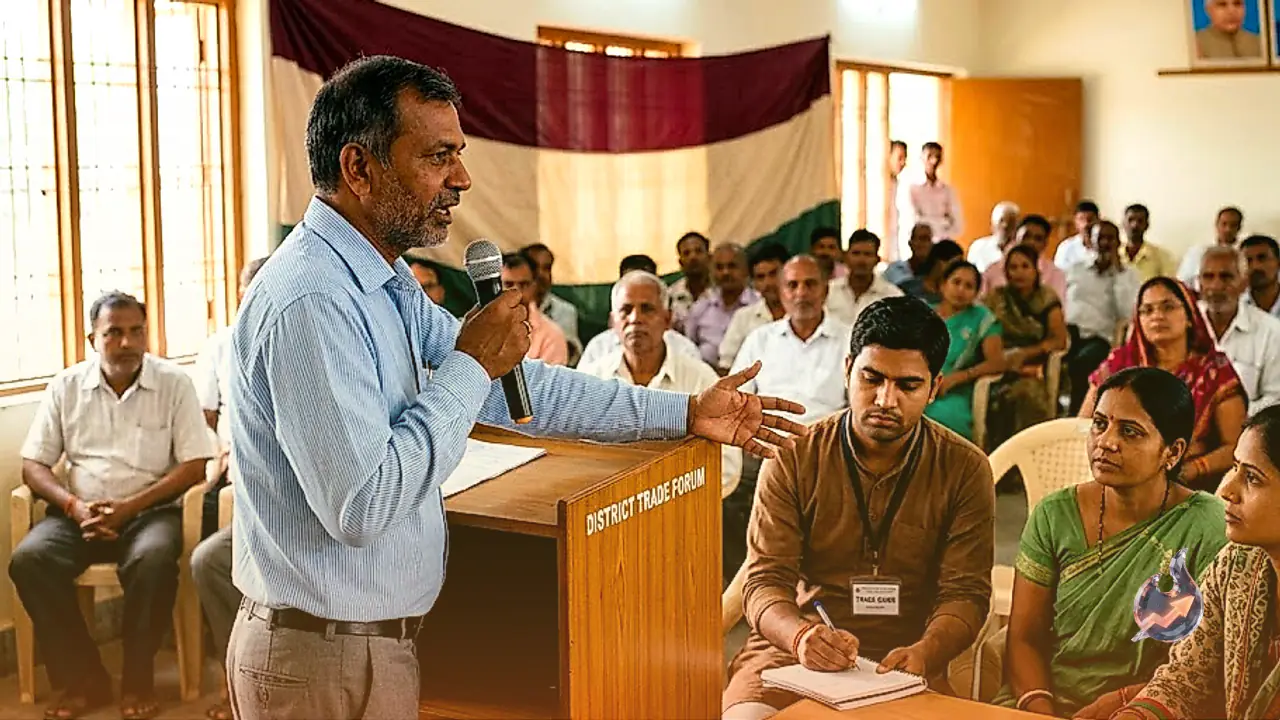
Under the blueprint presented by the commerce ministry, roughly 1,000 candidates with deep fluency in regional languages will undergo comprehensive training covering documentation, regulatory compliance, foreign exchange procedures, and international logistics. Once certified, these specialists will be deployed across state and district hubs to serve as frontline counselors for local businesses. Their primary responsibility will be walking first-time exporters through statutory clearances and market entry requirements, as well as resolving operational hurdles for active shippers. Industry chambers and regional business associations will actively participate in executing this outreach program.
Consolidated Commercial Hubs to Streamline Government Clearances
To eliminate procedural bottlenecks and reduce bureaucratic friction, administrative restructuring is also being introduced. Rather than maintaining disparate field offices for individual departments, the government plans to set up integrated commerce and industry hubs in major commercial cities. Piyush Goyal explained that these unified facilities will act as shared single-point access nodes, allowing entrepreneurs to interface with multiple regulatory bodies and administrative agencies under one roof. Consolidating services is intended to sharply decrease physical visits across multiple government desks and expedite export-related paperwork.
Maximizing Trade Agreements and Digital Integration
Discussions during the review also centered on India's recent Free Trade Agreements (FTAs) and broader trade facilitation reforms. Exporters were reminded that while bilateral pacts open substantial tariff concessions, manufacturers must strictly adhere to the underlying terms, product standards, and compliance duties mandated by partner nations. Industry stakeholders urged the government to expand the electronic Certificate of Origin process across all bilateral partner nations. Furthermore, industry representatives highlighted the urgent need to seamlessly interconnect the digital systems of the Directorate General of Foreign Trade (DGFT), customs authorities, commercial banks, and related regulatory agencies.
Tackling High Ocean Freight Rates and Documentation Delays
The review additionally addressed pressing operational headaches, notably persistent documentation logjams and elevated ocean shipping expenses that compress profit margins for manufacturers. Officials emphasized the necessity of optimizing the entire export lifecycle from point of manufacture to ultimate delivery, ensuring that supply chain inefficiencies do not undermine the international competitiveness of Indian products abroad.