








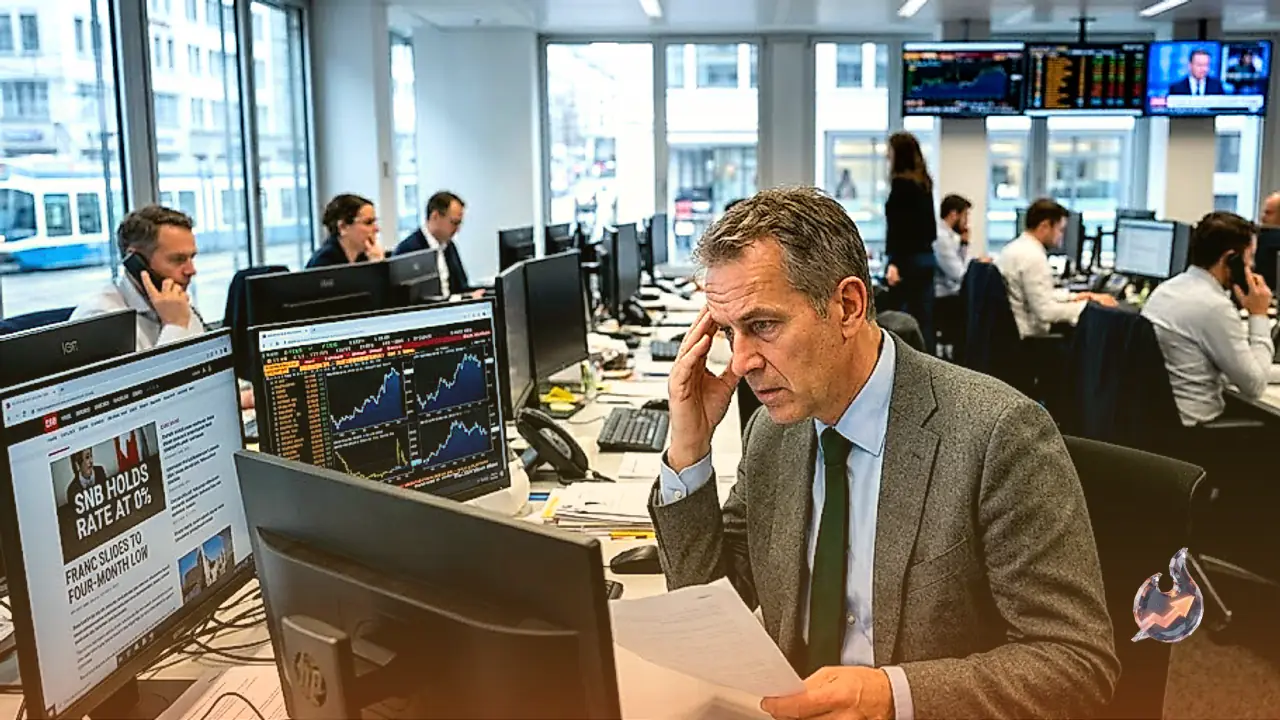
















Europe's powerhouse economy is demonstrating unexpected stamina against sharp energy cost increases and geopolitical disruptions tied to the Iran War. Recent tracking metrics reveal that German industrial participants and commercial enterprises have absorbed recent macro shocks far better than analysts initially projected. However, structural headwinds and an absence of broad reforms continue to prevent this resilience from translating into a powerful or broad-based business cycle expansion.
Business Confidence and Purchasing Managers Indices Exceed Forecasts
Fresh economic survey data indicates that sentiment across the German business community is gaining ground. The ifo business climate index advanced unexpectedly from 88.8 to 89.9, mirroring the upward momentum observed in the purchasing managers' index released just a day earlier. Dr. Jörg Krämer, Chief Economist at Commerzbank, observed that domestic firms have managed to navigate past the recent sharp surge in energy prices, confirming that overall economic endurance remains notably stronger than anticipated.
This positive trajectory across leading metrics is not an isolated event. Incoming corporate orders, PMI releases, and climate surveys have delivered consistent upside surprises across recent months. Driven by these resilient indicators, Commerzbank updated its projections two weeks earlier, elevating the German gross domestic product growth forecast for 2026 from an initial 1.0% up to 1.2%.
Export Drag and Hesitant Domestic Corporate Investment
Despite these improvements, Commerzbank anticipates that the broader recovery will remain strictly moderate at 1.2% for 2026. A fundamental obstacle lies in Germany's compromised industrial competitiveness, which has failed to achieve decisive progress due to a deficit of extensive structural reforms. Consequently, domestic enterprises continue to display deep reluctance when committing fresh capital expenditure within the home market.
International trade conditions are adding further strain to the production sector. German export desks are struggling under the weight of softer import demand from China alongside punitive tariff measures maintained by Donald Trump. These external trade barriers restrict foreign shipment volumes, leaving manufacturing hubs unable to establish the sustained momentum required for a traditional export-driven rebound.
Reliance on Public Sector Spending and Defence Outlays
With private capital investment muted and international trade facing ongoing resistance, Germany's economic stability has grown heavily reliant on public finances. The ongoing trajectory depends significantly more than usual on elevated government consumption, including the expansion of public sector employment roles and increased budgetary funding directed into healthcare infrastructure.
State investment channels, particularly increased allocations toward defence initiatives, are also filling the gap left by hesitant private sector spending. While these fiscal interventions help stave off deeper economic contraction, market observers stress that public expenditure alone cannot substitute for genuine business dynamic. The domestic economy still sits at a considerable distance from generating a self-sustaining upward trajectory.
Asian Trading Session: Foreign Exchange and Global Bond Moves
International capital markets displayed wide adjustments during Asian trading on Thursday. The AUD/USD currency pair weakened toward the 0.7000 threshold following the publication of the August employment report from Australia. That release showed the domestic jobless rate rising to 4.6% against a projected 4.5%, even as net employment change delivered a strong positive surprise by expanding by 39.5K positions. Market participants also maintained defensive positioning ahead of high-level diplomacy between Donald Trump and Xi Jinping.
Meanwhile, USD/JPY retreated from recent three-week peaks, hovering near 158.00 as rising Japanese government bond yields supported the Yen amid persistent market sensitivity surrounding potential currency interventions. Concurrently, the US Dollar preserved prior gains around two-month highs, underpinned by expectations of a hawkish Federal Reserve stance and elevated US sovereign yields.
Bank of Japan Rate Adjustment and Gold Price Weakness
In central banking developments, the Bank of Japan resolved to advance its normalization course, raising the short-term interest rate target from 1.00% to 1.25%. The monetary policy board approved the quarter-point hike through a 7-2 vote, a step that matched broad institutional expectations that had been priced across financial desks for several weeks.
Within commodity trading, gold extended its downward posture into a second consecutive session, slipping below the $4,300 benchmark to touch a one-week low during early European dealings. Traders adopted a cautious approach pending discussions between US President Donald Trump and Chinese President Xi Jinping. While market expectations for sweeping policy breakthroughs remain subdued, investors continue monitoring for potential developments regarding rare earth minerals, high-technology trade barriers, and the continuation of the current US-China truce framework.