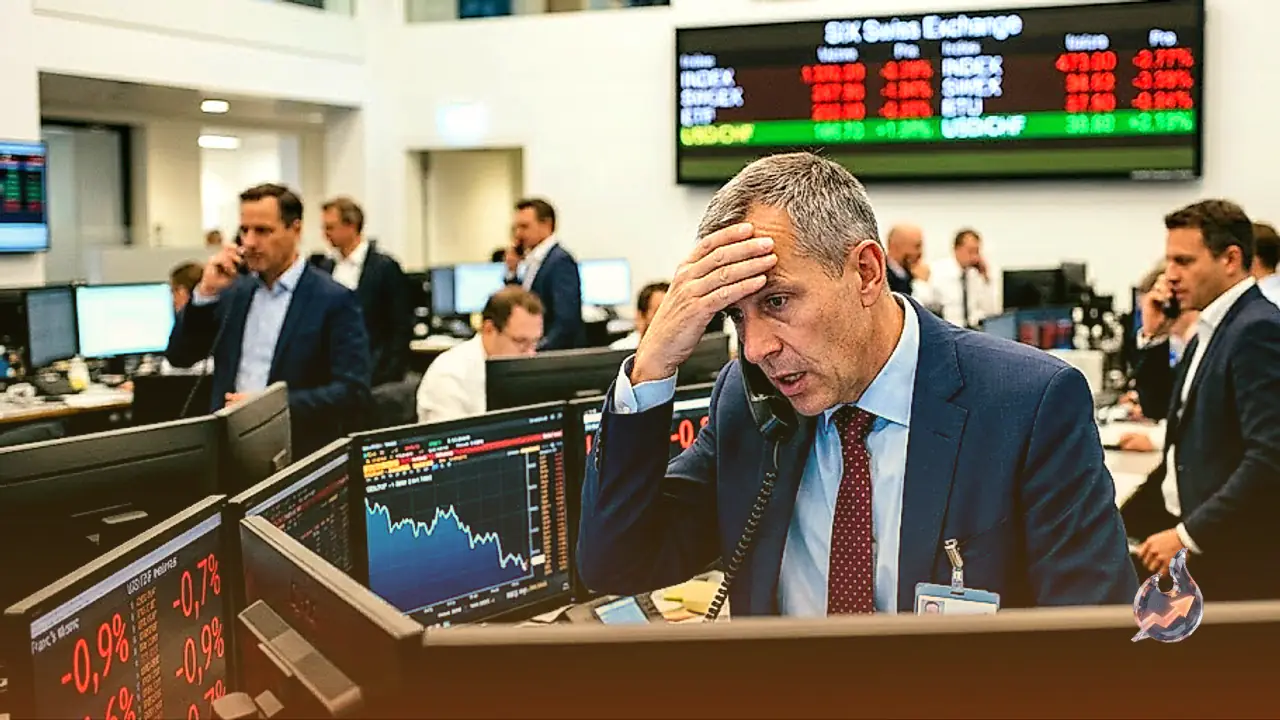

























Pressure mounted on the European single currency on Wednesday as lacklustre economic data from Germany pushed the Euro to a fresh two-week low against the British Pound. The EUR/GBP cross dropped beneath the 0.8560 threshold, marking a cumulative loss of 0.4% so far this week. The divergence in macroeconomic indicators between the Eurozone and the United Kingdom continues to dictate trading sentiment across European currency pairs.
German Retail Sales Fall Short of Market Projections
Domestic demand across Germany delivered another disappointing reading, dampening sentiment across the broader Eurozone. Official data revealed that German retail turnover contracted by 0.4% month-on-month in August. While this represents a smaller drawdown than the steep 2.5% plunge recorded in July, it nonetheless marks the second consecutive monthly decline for the nation's retail sector.
On an annualized basis, retail sales advanced by 1.3% in August, recovering modestly from the 3.4% contraction registered in the prior month. However, this rebound failed to match the consensus market expectation of a 2% expansion. The persistent hesitation among German consumers signals ongoing stagnation in the continent's primary economic engine, leaving the common currency vulnerable against its peers.
UK Upward Revisions Provide Support to Sterling
While the Euro struggled to establish footing, the British Pound gained upward momentum courtesy of positive revisions to domestic output. Official revisions showed that UK Gross Domestic Product (GDP) for the second quarter (Q2) was adjusted higher. Furthermore, the country's current account deficit narrowed unexpectedly during the same period. The combination of resilient domestic growth metrics and an improving external trade balance allowed Sterling to outperform the Euro convincingly.
Crude Volatility and French Sovereign Debt Concerns
The EUR/GBP cross has remained largely on the back foot over recent weeks, constrained by volatility in energy markets and lingering fiscal worries within France. Brent crude oil prices receded below $96.00 per barrel after testing highs above $101.00 on Tuesday. While cheaper crude offers a measure of relief to energy-importing economies across continental Europe, borrowing costs and sovereign fiscal challenges surrounding France continue to represent a significant obstacle against any meaningful upside recovery in the Euro.
Developments Across Other Foreign Exchange Pairs
Price action across Asian trading sessions on Wednesday extended into wider currency adjustments. The Australian Dollar (AUD/USD) hovered near two-month lows around the 0.6950 region. Underlying Australian Consumer Price Index (CPI) figures for August came in below expectations, muting anticipation of additional interest rate increases by the Reserve Bank of Australia (RBA). Concurrently, manufacturing and services PMI figures out of China failed to inject enthusiasm into the currency, despite a pause in the US Dollar rally.
In contrast, the Japanese Yen found solid ground, maintaining USD/JPY below 157.00 throughout the Asian session. Hawkish market expectations surrounding the Bank of Japan (BoJ) alongside growing vigilance regarding potential official currency intervention supported the Yen. These factors offset downbeat domestic factory output and retail figures, with a general pullback in the US Dollar aiding the downward trajectory in the exchange rate.
Gold Holds Below Key Levels, Aave Sees Profit-Taking
Precious metals saw subdued movements leading into European market hours. Gold traded in a consolidative range under the $4,200 mark as fundamental signals remained mixed. Easing US Treasury bond yields pulled the US Dollar back from its two-month apex logged on Tuesday, offering structural support to gold. Nonetheless, lingering expectations of higher-for-longer policy rates from the Federal Reserve capped gains, with market participants holding back before significant US macroeconomic data releases.
In the digital asset ecosystem, decentralized finance token Aave retreated below $161 on Wednesday following a surge of more than 10% during Tuesday's trading. On-chain metrics pointed to an uptick in trader profit-taking behind the price dip. On the governance side, Aave founder Stani Kulechov indicated ongoing considerations regarding an AAVE token-burn mechanism as part of the proposed Aavenomics 3.0 upgrade, presenting a potential structural catalyst for the asset going forward.