






















Hiring activity across India showed signs of revival in August 2026, pulling the national unemployment rate down to 5 percent from 5.1 percent in July. This represents the lowest level of joblessness recorded in six months. However, a deeper reading of the labour metrics indicates that the turnaround was almost entirely powered by non-urban regions, while employment conditions in cities faced continued headwinds.
Rural Employment Expands While Cities Experience Softness
The gap between urban and rural job availability widened noticeably during the month. Rural unemployment dropped from 4.5 percent in July to 4.1 percent in August. Conversely, urban centres saw joblessness climb slightly, moving up to 6.8 percent from 6.7 percent in the previous month.
The improvement across rural belts benefited both male and female jobseekers. Unemployment among rural men fell to 4.3 percent in August from 4.6 percent in July, while the rural female unemployment metric eased to 3.9 percent from 4.3 percent. The urban dynamic told a very different story. Urban male unemployment rose to 6.1 percent from 5.9 percent, while urban female unemployment stayed largely unchanged. Consequently, the national decline in joblessness reflects localized rural strength rather than an even economic recovery nationwide.
Labour Force Participation Gains Momentum in Villages
The Labour Force Participation Rate (LFPR), which captures the share of the population aged 15 years and older that is employed or seeking work, moved up to 55.6 percent in August from 55.4 percent in July.
This uptick was similarly concentrated in the countryside. The rural LFPR climbed to 58.2 percent from 58 percent. Urban participation, on the other hand, held flat at 50.4 percent. The geographic divergence underscores that fresh workforce entries occurred primarily outside India's metropolitan hubs.
Women Lead Rural Inflows, Though Job Permanence Remains Uncertain
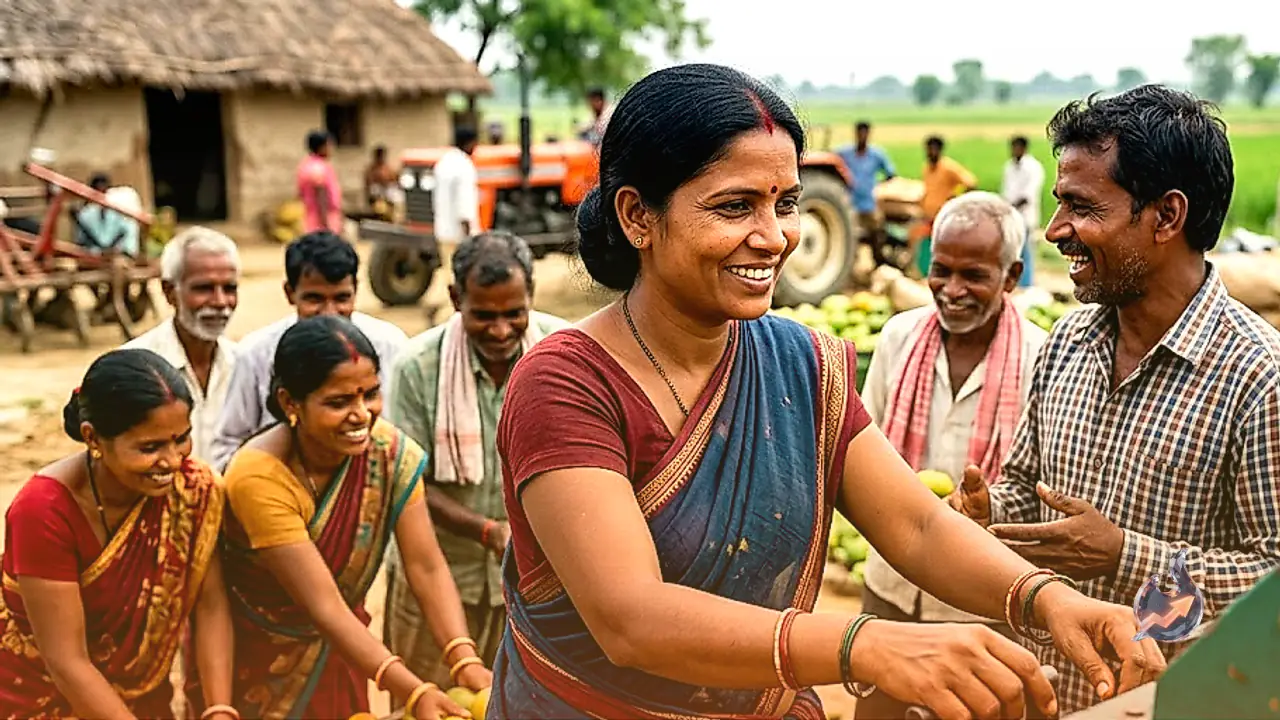
Female involvement in the labour market recorded noticeable expansion. The nationwide female LFPR rose to 34.8 percent from 34.4 percent in July. Most of this movement occurred in the countryside, where the rural female LFPR advanced to 39.4 percent compared to 38.8 percent a month earlier. In urban regions, female labour participation remained steady at roughly 25.4 percent.
While an increased presence of women looking for work or securing roles is a constructive signal, monthly shifts do not indicate whether the work secured is permanent, adequately compensated, or on a full-time contract basis.
Worker Population Ratio Touches High Since March 2026
The Worker Population Ratio (WPR), reflecting the proportion of the population actively employed, reached 52.8 percent in August, up from 52.5 percent in July. This marks the strongest level observed since March 2026.
In rural areas, the WPR advanced to 55.8 percent from 55.4 percent. The urban counterpart showed no growth, lingering at 47 percent. The rural performance is especially meaningful because higher participation coincided with an increase in actual employment. This alignment points to genuine job absorption rather than an artificial drop in unemployment caused by discouraged jobseekers exiting the workforce.
Year-on-Year Trends Highlight Structural Split
Comparing current figures with the previous year reveals ongoing structural differences between village and city labour dynamics. Overall LFPR gained 0.6 percentage point compared to August 2025, and female participation improved by 1.1 percentage points over the same timeline.
The rural WPR stood 1.3 percentage points higher than in August 2025 at 55.8 percent. Urban WPR, however, declined over the twelve-month period, slipping from 47.5 percent in August 2025 to 47 percent in August 2026. These figures stem from monthly estimates of the Periodic Labour Force Survey conducted under the Current Weekly Status framework. Because short-term employment can fluctuate due to seasonal tasks, monthly data is best understood alongside longer-term trajectories.