






















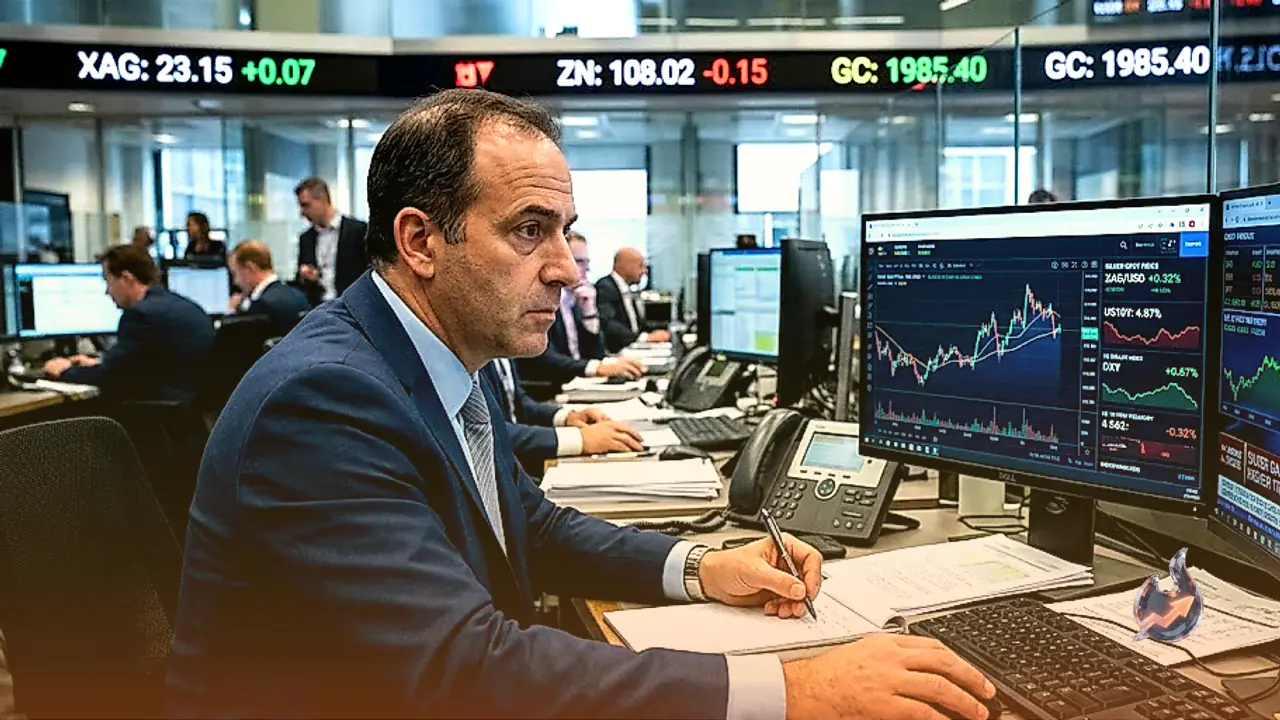

Silver registered fractional gains during Tuesday's trading session following recent downward pressure triggered by surging government bond yields, with market participants keeping their commitments limited ahead of Wednesday's critical monetary policy conclusion. Geopolitical unrest across the Middle East has sparked an energy price spike that is reigniting inflation worries across the globe, adding fresh complications for central banking authorities trying to steer price growth back toward their mandatory targets.
Elevated Treasury Yields and Dollar Strength Constrain Precious Metals
The precious metals sector continues to navigate a demanding macroeconomic landscape dominated by elevated US Treasury yields and sustained strength in the US Dollar. Because non-yielding physical commodities generate no regular interest return, higher benchmark bond yields increase the opportunity cost of maintaining positions in precious metals. Consequently, upward momentum in dollar-denominated silver pairs, commonly tracked as XAG/USD, remains capped whenever bond yields push toward multi-year peaks across several major developed economies.
Inflation Pressures and the Federal Reserve Rate Trajectory
Recent economic data out of the United States has reinforced the argument for keeping monetary levers tight. The Consumer Price Index accelerated by 3.4% year-over-year in August, while the Producer Price Index advanced to 5.4%, up from 4.8% recorded in July. Paired with public remarks from central bank officials stressing the urgency of reigning in lingering inflationary spikes, these indicators have heightened market expectations for another interest rate increase on Wednesday. If policy guidance suggests that a September adjustment marks the onset of an extended tightening framework, Treasury yields and the greenback could climb higher, placing additional downward friction on bullion. Conversely, any surprisingly restrained or less hawkish commentary from the central bank could bring immediate respite to silver by pulling yields and the dollar back down.
Silver as a Store of Value and Portfolio Diversifier
Historically valued as a tangible medium of exchange and reliable wealth preservation tool, silver commands active participation across global investing circles. While gold typically receives greater attention during market panics, market participants frequently incorporate silver into their portfolios to achieve structural asset diversification, capture intrinsic metal value, or hedge against broader currency debasement and persistent inflation. Investors access the white metal either through direct physical ownership of bullion bars and coins, or via exchange-traded funds that track real-time spot market pricing internationally.
Core Forces Driving Silver Market Valuations
Valuations across the silver complex fluctuate under the influence of several overlapping variables. Severe geopolitical instability or mounting probabilities of an economic downturn periodically drive safe-haven capital into silver, although usually with less intensity than into gold. Given that it produces no cash yields, silver historically prospers in environments characterized by lowering interest rates. Its pricing is also deeply intertwined with the value of the US currency: a resilient dollar tends to depress silver values, while dollar weakness frequently acts as a catalyst for price rallies. Structural fundamentals like mining extraction output, which is considerably higher than gold supply, along with recycled scrap metal volumes and shifts in aggregate investment inflows, remain vital drivers of global balance sheets.
Industrial Applications and the Gold/Silver Ratio
Beyond its investment role, silver maintains critical industrial importance owing to its unmatched physical properties. Boasting the highest thermal and electrical conductivity among all metals, outstripping both copper and gold, silver serves as an indispensable component in high-tech consumer electronics and expansive solar energy hardware installations. Substantial increases in industrial utilization propel market prices upward, whereas manufacturing slowdowns trigger softer demand. Regional macro trends in the United States, China, and India play a decisive role: heavy industrial and manufacturing hubs in the US and China ingest enormous volumes of silver for specialized production lines, while in India, consumer appetite for jewelry, utensils, and seasonal gift-giving represents a substantial pillar of physical demand.
Traders also monitor the historical relationship between gold and silver through the gold/silver ratio, which measures the volume of silver ounces required to purchase a single ounce of gold. This benchmark allows portfolio managers to evaluate relative valuation disparities between both assets. An elevated ratio often leads market observers to conclude that silver is undervalued relative to gold, or that gold is sitting at overstretched valuation levels. In contrast, a depressed ratio may indicate that gold presents superior value relative to silver at that juncture.
Cross-Asset Market Movements and Currency Dynamics
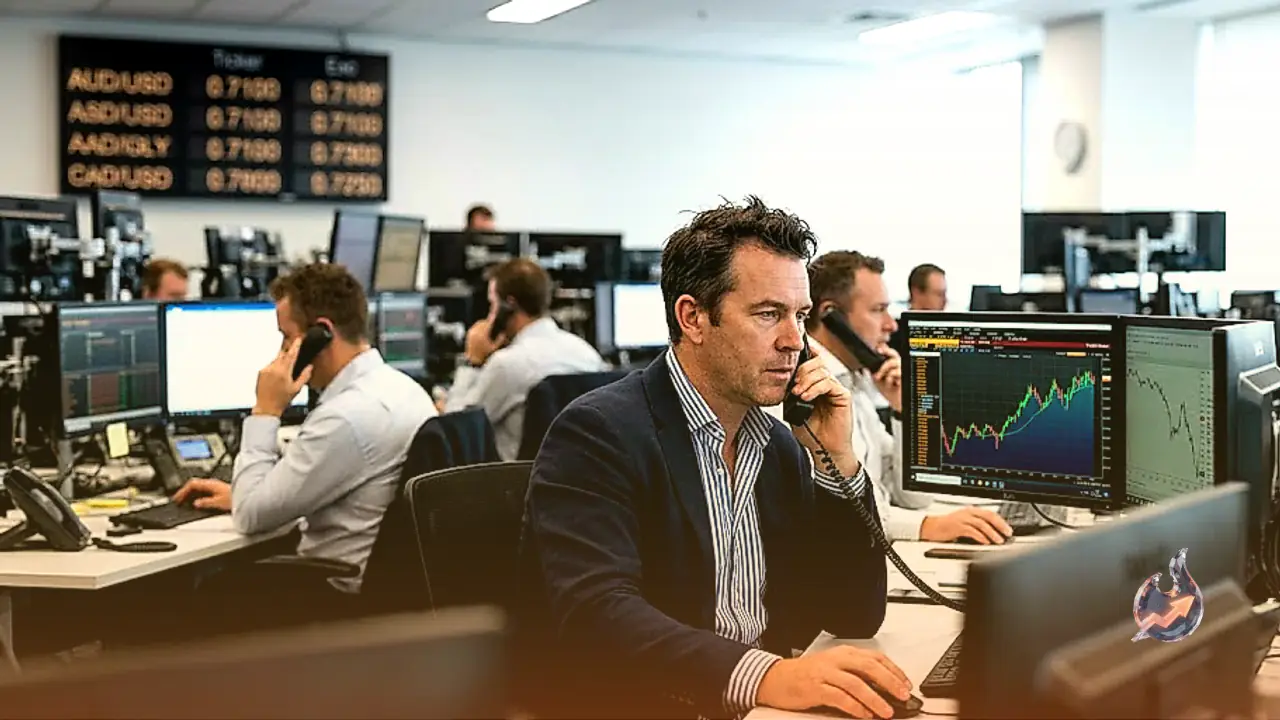
Macro caution ahead of central bank meetings is creating ripples across global currencies and digital assets. In Asian trade on Tuesday, the Australian Dollar struggled below 0.7150 against the greenback, holding close to a more than three-week low after uneven Chinese economic indicators for August dampened regional sentiment. Meanwhile, the USD/JPY pair climbed toward the 155.00 threshold as market participants positioned for upcoming policy decisions from both the Federal Reserve and the Bank of Japan, though any hawkish normalization messaging from Tokyo could eventually cap further yen depreciation.
Gold echoed the broader caution across the precious metals space, trading with minor losses on Tuesday after failing to sustain upward momentum above the $4,300 per troy ounce zone. In the digital asset sector, major alternative tokens like Ripple (XRP), Cardano (ADA), and Hyperliquid (HYPE) experienced a pullback of around 2% amid broader risk aversion ahead of the CLARITY Act cloture vote scheduled for Tuesday. Broad-market positioning remains decidedly defensive as investors await definitive cues on future borrowing costs and macroeconomic policy.