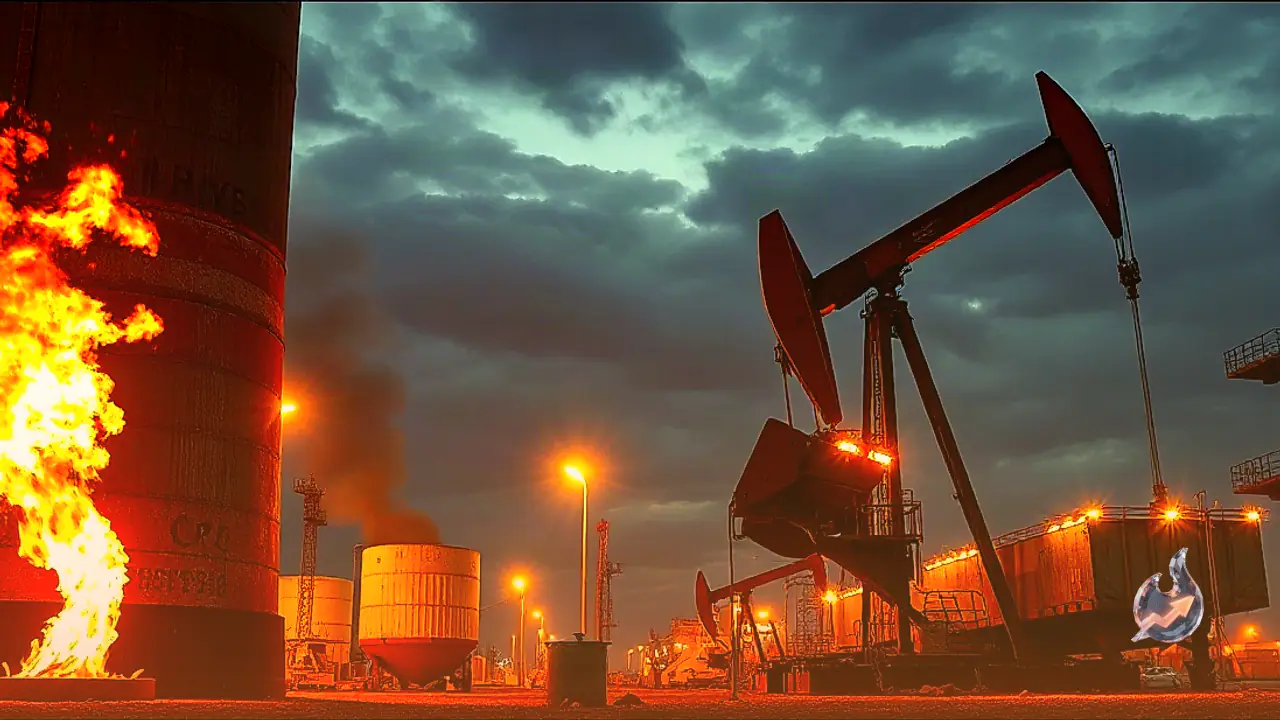























Crude markets found some relief on Wednesday as Saudi Arabia accelerated work to reopen a damaged export route. The effort eased the immediate fear of a prolonged loss of Saudi supply, although wider disruptions across the Middle East were still weighing on the market. West Texas Intermediate, or WTI, moved back under the $100-a-barrel level.
At the time of writing, WTI was near $97.90 a barrel and had lost almost 3% during the day. Prices had recently traded above $100, but they could not hold that level after the possibility of a partial pipeline restart became more credible.
Saudi Arabia searches for a route around the damage
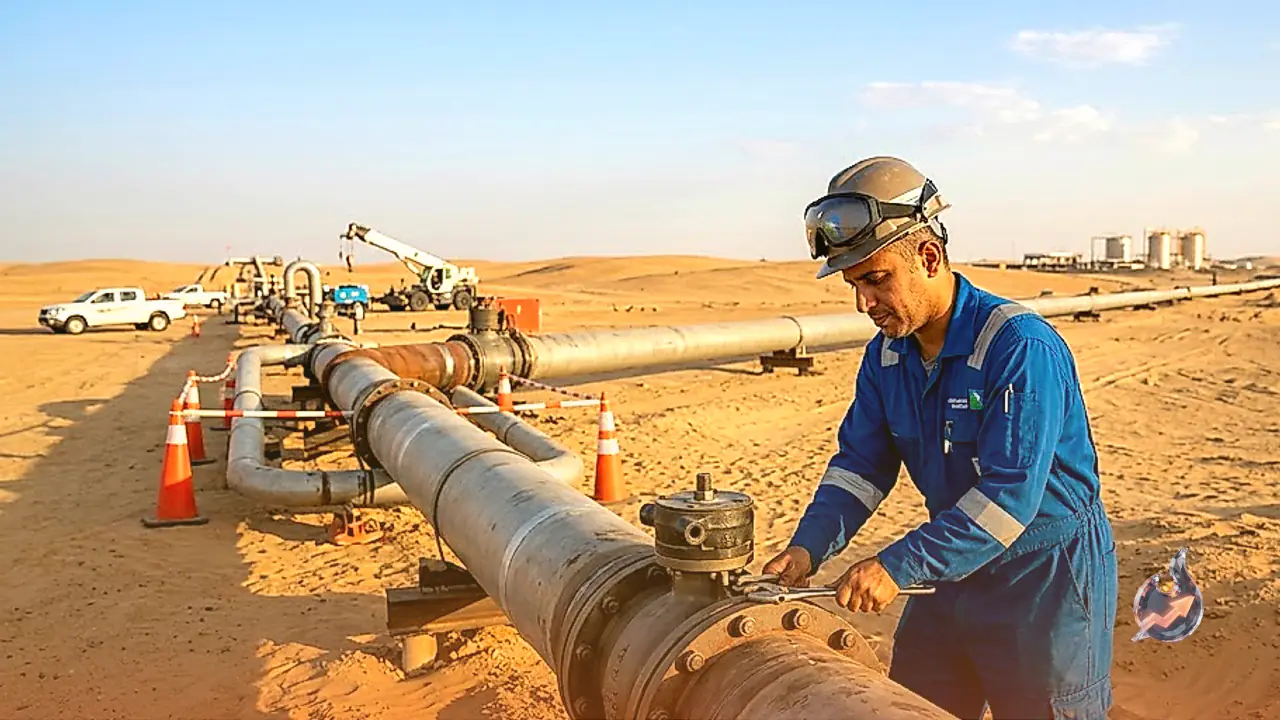
A drone attack last week left the East-West pipeline damaged. Saudi Aramco is pursuing a detour that would carry crude around the affected section instead of waiting for that portion to be usable again. Its first target is to return roughly half of the line's capacity to service within days. The longer-term target is full operations in around six weeks.
Saudi Arabia is also sending more crude to Asian refiners through transfers between vessels near Sohar port in Oman. This shipping workaround creates another path to buyers while the land route is being restored. It does not eliminate the need to fix the damaged section, but it gives the kingdom an additional channel for moving crude.
The workaround matters because the market is already coping with disruptions across the Middle East. Even a partial return through an alternative route can alter expectations before the entire pipeline is repaired, since traders price the chance of supply coming back rather than waiting for a final completion date.
The pipeline offers a vital Hormuz bypass
The East-West line is strategically useful because of both its length and its endpoint. Stretching 1,200 kilometres, it carries crude from eastern Saudi Arabia to Yanbu on the Red Sea and can handle up to 7 million barrels per day. That gives the kingdom a way to export without having to pass through the Strait of Hormuz.
Hormuz traffic has been heavily restricted since the war with Iran began. Tuesday's count was four vessels in the strait, compared with seven on Monday and a ten-day average of 18. The gap between the daily count and the average explains why every usable alternative route is receiving close attention.
US stockpiles provide a second reason for the decline
WTI also came under pressure from the latest US crude stockpile figures. For the week that ended September 11, commercial crude inventories were down 640,000 barrels. The preceding week had seen a 391,000-barrel decline, so the market was looking at another weekly draw rather than an increase.
The consensus expectation was a 1.6 million-barrel draw, which made the actual reduction much smaller than anticipated. A stockpile decline can support prices when it points to stronger demand or tighter availability. When the decline is smaller than expected, however, that support is weaker.
The pipeline news and the inventory result therefore reinforced the same downward move. A possible return of Saudi flows reduced concern about lost supply, while the modest stockpile draw failed to confirm the stronger demand signal traders had expected. Together, those developments helped push WTI below $100 in the snapshot.
What the WTI benchmark represents
The initials WTI identify West Texas Intermediate, a crude grade traded in international markets. It belongs to the same major reference group as Brent and Dubai Crude, making it one of the three principal types followed by the market. Its price is widely quoted because it functions as a benchmark for oil.
Market participants describe the grade as light and sweet. Its relatively low gravity explains the first description, while its lower sulfur content explains the second. Those characteristics give WTI high quality and make it comparatively easy to refine.
The crude comes from the United States and reaches markets through the Cushing hub, a distribution point called the Pipeline Crossroads of the World. That role helps explain why the benchmark is followed beyond one local area. Its price carries expectations about crude availability, demand, transport conditions and the US dollar.
A benchmark price is a shared reference point for comparing market conditions. A move in WTI can therefore influence expectations well beyond the place where the crude is produced.
Supply, demand and the dollar set the broader direction
Like other assets, WTI is mainly driven by the balance between supply and demand. Strong global growth can increase energy needs and support greater oil consumption. Weak global growth reduces demand and works in the opposite direction.
Political instability, wars and sanctions can interrupt supply and move prices quickly. The current problems around Saudi Arabia and Hormuz show how a transport disruption can change market expectations even before the full amount of lost flow is known. An alternative route can reduce that perceived risk.
Production policy is another important influence. OPEC, the Organization of the Petroleum Exporting Countries, brings together major oil-producing nations and uses production quotas to manage supply. The US dollar also matters because oil is predominantly traded in dollars. A weaker dollar can make oil more affordable for buyers using other currencies, while a stronger dollar can reverse that effect.
These forces can either reinforce or cancel each other. A pipeline workaround can ease a supply scare, an inventory release can alter demand expectations, and a currency move can change purchasing power. That is why WTI can fall on a day when the wider Middle Eastern situation remains tense.
Weekly inventory releases offer a regular market check
Two weekly US inventory releases can move WTI: the American Petroleum Institute report and the Energy Information Administration figures. The API release appears every Tuesday, with the EIA data following the next day. Since inventory changes reflect the shifting balance of supply and demand, market participants use both releases to update their view.
When inventories fall, the data may point to stronger demand or less available supply, which can lift prices. When inventories rise, the data may point to greater supply or softer demand, which can lower prices. The size of the change relative to expectations is as important as the direction.
In 75% of cases, the two releases differ by no more than 1%. The EIA figures are generally viewed as more reliable because the agency is part of the government, while the API release arrives first and gives an earlier signal.
For the latest week, the stockpile decline was 640,000 barrels, not the expected 1.6 million barrels. That gap made the report less supportive for prices than the headline decline alone might suggest.
OPEC quotas remain a separate price lever
The organization brings together 12 countries that produce oil. At meetings held twice a year, members collectively set production quotas, and those choices can affect WTI prices. Restricting quotas can tighten supply and lift prices. Allowing more production can add supply and push prices the other way.
The wider OPEC+ arrangement adds ten countries that are not OPEC members. Russia is the most prominent of those additional participants. Because the grouping brings more producers into the quota discussion, its decisions are watched alongside Saudi Arabia's pipeline plans and the condition of key shipping routes.
The quota mechanism matters because it changes how much crude members intend to bring to market. Restraint can create expectations of less availability, while more output can create the opposite expectation. Those policy signals are separate from the physical condition of the East-West pipeline but can still influence the same price.
For the immediate outlook, the key questions are how quickly the damaged section can be bypassed, how much capacity returns within days and whether full operations resume in around six weeks. The answers will indicate how much of the current supply concern remains embedded in WTI.
What could shape the next move
The market now faces a practical test. If the East-West line resumes at partial capacity, it would give exporters another path around constrained Hormuz traffic, but it would not equal a return to the line's full capacity of up to 7 million barrels per day. The stated timetable makes that distinction central to the next phase.
Traders will also watch whether vessel movements through Hormuz stay near the low level shown by the shipping count. New inventory releases, the direction of the US dollar and any production signal from OPEC will add clues about whether supply is tightening or easing. Each factor can strengthen or dilute the relief created by Saudi Arabia's restoration effort.
Moving below $100 does not mean the disruption has disappeared. It means traders are assigning weight to a possible workaround and to an inventory report that was less supportive than expected. Until actual flows resume and shipping restrictions change, WTI remains sensitive to both supply news and demand data.